






















By Gurnam Singh | Opinion |
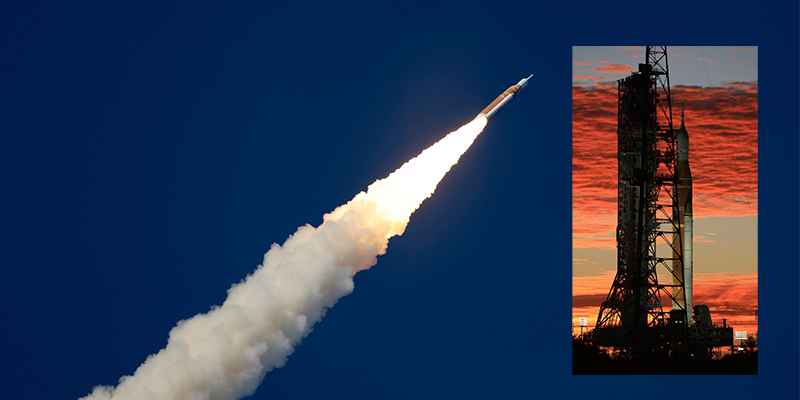
Once again, with the launch of the Artemis II rocket ship by NASA to the far side of the Moon, humanity has set its sights on reaching Mars and, ultimately, travelling even further into the cosmos. Such moments invite not only scientific curiosity, but also philosophical reflection. For me, they echo the profound insights of Guru Nanak, whose vision of the universe remains strikingly resonant today.
Guru Nanak describes the universe as boundless, emerging from a primal void through a singular creative utterance:
ਕੀਤਾ ਪਸਾਉ ਏਕੋ ਕਵਾਉ ॥ ਤਿਸ ਤੇ ਹੋਏ ਲਖ ਦਰੀਆਉ ॥
From the One Word, the vast expanse of creation unfolded; from it flowed countless streams of existence.
At a time when many traditions imagined a limited cosmos, perhaps a single Earth beneath a few heavens, Guru Nanak articulated a radically expansive vision:
ਪਾਤਾਲਾ ਪਾਤਾਲ ਲਖ ਆਗਾਸਾ ਆਗਾਸ ॥
ਓੜਕ ਓੜਕ ਭਾਲਿ ਥਕੇ ਵੇਦ ਕਹਨਿ ਇਕ ਵਾਤ ॥
There are countless nether worlds and countless skies; the scholars and seekers have grown weary searching for their limits.
This is not merely poetic imagery. It is a cosmology of infinity. It anticipates, in spirit at least, the discoveries of modern astronomy, the recognition of billions of galaxies, each containing billions of stars and potentially habitable worlds.
Against this backdrop, the engineering achievement of Artemis II, capable of transporting four astronauts to the Moon and returning them safely, appears as a remarkable expression of human ingenuity. Yet Guru Granth Sahib invites us to look deeper. It identifies the human mind not merely as a tool, but as the very place where the Divine resides.
Indeed, every technological innovation, every symphony, every theory, and every discovery in human history has emerged from the human mind. The brain itself is almost beyond comprehension, composed of approximately 86 billion neurons, each capable of forming thousands of connections. The resulting complexity exceeds, in its combinatory potential, even the number of atoms in the observable universe!
And yet, Gurbani goes further. It reminds us that the Divine is not confined to distant realms, not in the heavens, nor hidden among the stars, but is present within us:
ਮਨ ਤੂੰ ਜੋਤਿ ਸਰੂਪੁ ਹੈ ਆਪਣਾ ਮੂਲੁ ਪਛਾਣੁ ॥
O mind, you are the embodiment of the Divine Light, recognise your own origin.
If we take this seriously, then the implications are profound. The only way we can know anything, whether the Moon, Mars, or the furthest galaxy, is through the human mind. And if the Divine resides within that mind, then wherever human consciousness travels, so too does the presence of the Divine.
In this sense, the Divine is not absent from Artemis II. It travels with the astronauts, irrespective of their beliefs. Extending this further, if the Divine resides in all beings, then the very basis for hatred collapses. How can one despise another without, in some sense, denying the same Light within oneself?
Join the conversation on this story on Asia Samachar’s Facebook and Instagram pages.
Gurnam Singh is an academic activist dedicated to human rights, liberty, equality, social and environmental justice. He is a Professor of Sociology at University of Warwick, UK. He can be contacted at Gurnam.singh.1@warwick.ac.uk
* This is the opinion of the writer and does not necessarily represent the views of Asia Samachar.
RELATED STORY:
The Demise of the Akali Dal and the Badal Dynasty: What Next for the Panth? (Asia Samachar, 5 Aug 2024)