




















By Asia Samachar | Malaysia |
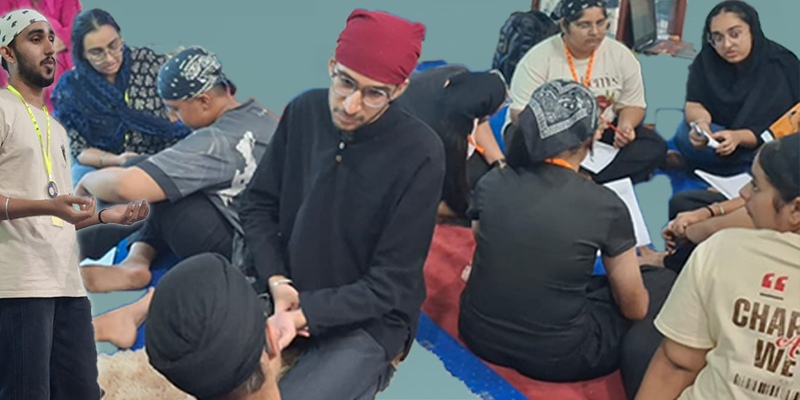
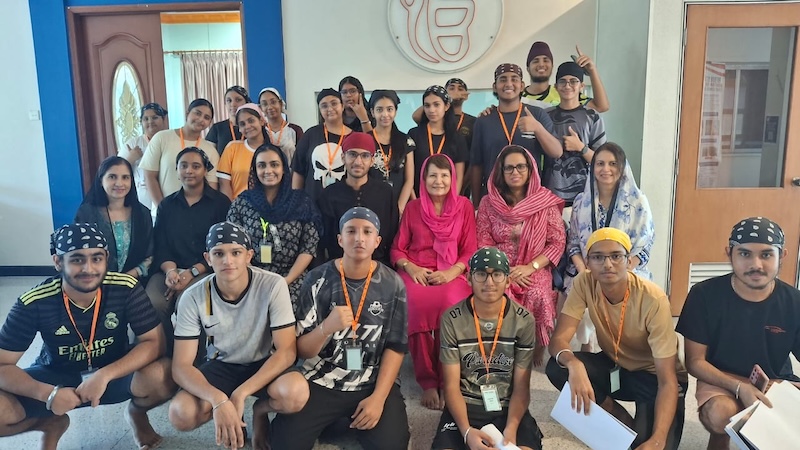
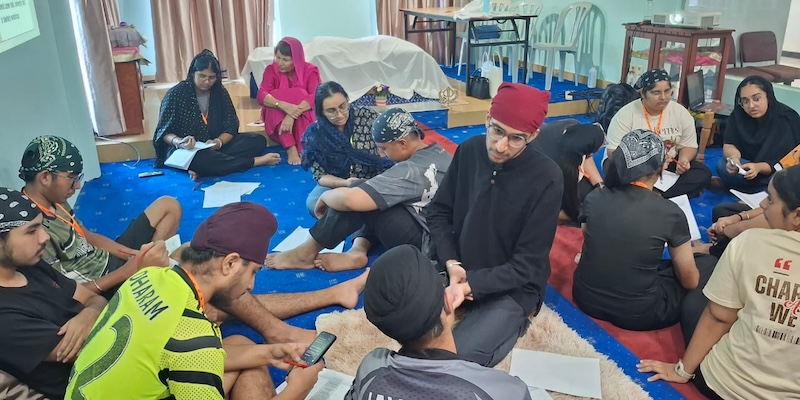
EKTA, in collaboration with Gurdwara Sahib Sungai Besi (Shapa) and Asia Samachar, recently organised a workshop on “Inspiring Youth to Higher Education.”
A key point that emerged was the urgent need for the Punjabi Sikh community to be made aware of opportunities in TVET – through Polytechnics and Vocational Colleges in Malaysia.
The Malaysian government is investing billions of ringgit into TVET because many companies desperately need skilled workers, yet too few young people are trained for these jobs. At the same time, many university graduates struggle to find work because they lack practical, hands-on skills.
TVET, short for Technical and Vocational Education and Training, equips students with practical skills that lead directly to employment, allowing them to start working and earning earlier. It is also more affordable than university while offering stable, rewarding career opportunities.
The government encourages parents to see TVET not as a “second option,” but as a smart and reliable pathway for their children to secure a good future.
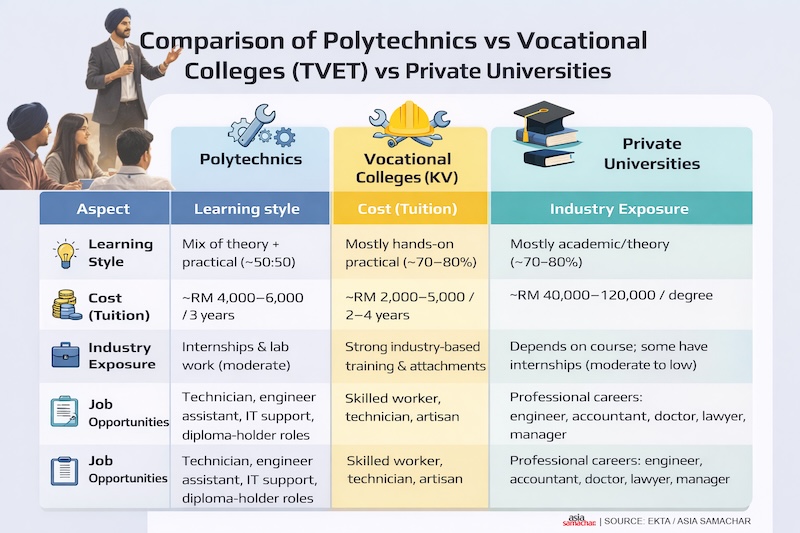
While there is a quota for the Indian community, including Punjabi Sikhs, community participation remains low. Many still perceive TVET as only for students who “struggle academically.” Parents worry these jobs are low-status, low-paying, or have limited growth. There is also a common belief that only university degrees lead to success, which often causes TVET to be overlooked.
But this thinking needs to change. Today, many skilled jobs in areas like engineering, technology, and construction are in high demand and can offer good salaries and stable careers. TVET students learn practical, hands-on skills that employers are actually looking for, which means they can find jobs faster and grow in their careers. Some even go on to become supervisors, business owners, or continue their studies to higher levels.
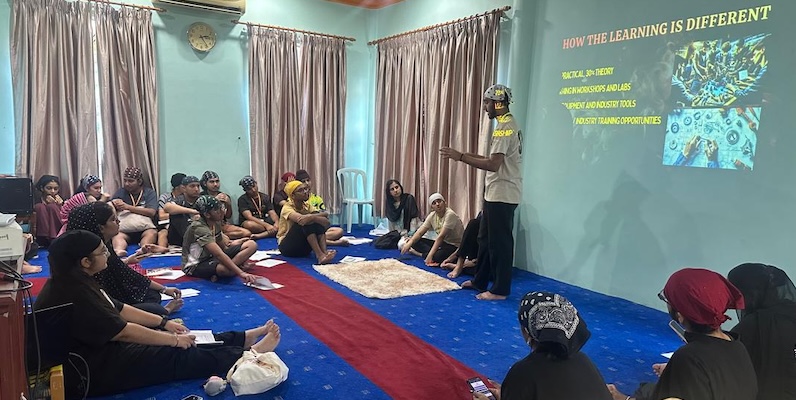
TVET is not a “lesser” path—it is simply a different path. By changing this mindset, parents can open more opportunities for their children to succeed in ways that match their strengths and interests.
Every child learns differently. Some excel in academic classrooms, while others do better with hands-on, practical learning. Polytechnics and vocational colleges are designed for these students.
Eshveenadip’s Brave Choice
Take Eshveenadip from Politeknik Ungku Omar in Ipoh, Perak. She was a strong student who scored five distinctions in Form 5 and went on to STPM, like many others.
But she struggled—not because she wasn’t capable, but because the learning style didn’t suit her. She realised she learns best by doing, applying, and seeing how things work in real life.
So she made a brave choice. She applied to Politeknik Ungku Omar where the focus is on practical skills and enrolled for a Diploma in Geomatics.
That decision made all the difference. She found the right environment, built confidence, and moved towards a career that fits her strengths.
As parents, our role is not to choose the most popular path—but the right path for our child. TVET is not a second choice. For many, it is the better choice.
Driishnil Opts Vocational College
The second case was Driishnil Singh, a young leader from Gurdwara Sahib Sungai Besi (Shapa). From an early age, he had a natural passion for cars—diagnosing problems, tinkering with engines, and fixing anything that didn’t run smoothly. In Form 4, he discovered that he could enrol at Setapak Vocational College in Kuala Lumpur to pursue his interest formally, choosing Automotive Engineering as his course of study.
Through hands-on training and practical workshops, Driishnil honed his technical skills and gained a deep understanding of automotive systems. His dedication paid off when he successfully obtained his Sijil Kemahiran Malaysia (SKM) certification, equipping him with nationally recognized qualifications and opening doors to industry opportunities as a skilled automotive technician. He is now studying for the Diploma Vocational Malaysia (DVM) which is Level 4 and focuses on advanced technical skills and is recognsied by industries and can help in supervisory roles.
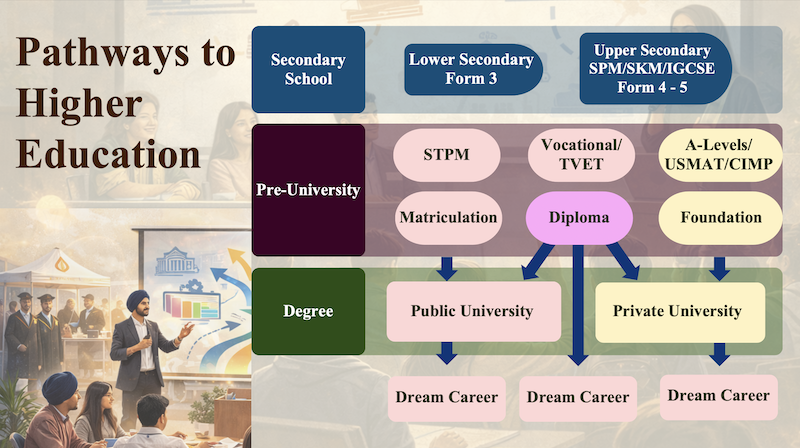
With the diploma, Driishnil will also be able to apply to a University to study for a degree.
His story shows that following your passion and learning by doing can turn a hobby into a successful career.
The message is clear: TVET is a valuable, practical, and respected route to a secure and successful career—one that deserves attention and pride.
[Dr Saran Kaur Gill, a former deputy vice chancellor of Universiti Kebangsaan Malaysia, is the Chair of EKTA Youth Development and Lifelong Learning, YDLL.]
Join the conversation on this story on Asia Samachar’s Facebook and Instagram pages.
RELATED STORY:
Preserving a language against the odds: The story of Punjabi in Malaysia (Asia Samachar, 29 May 2025)
ASIA SAMACHAR is an online newspaper for Sikhs / Punjabis in Southeast Asia and beyond. You can leave your comments at our website, Facebook, Twitter, and Instagram. We will delete comments we deem offensive or potentially libelous. You can reach us via WhatsApp +6017-335-1399 or email: asia.samachar@gmail.com. For obituary announcements, click here