









By Bhupinder Singh
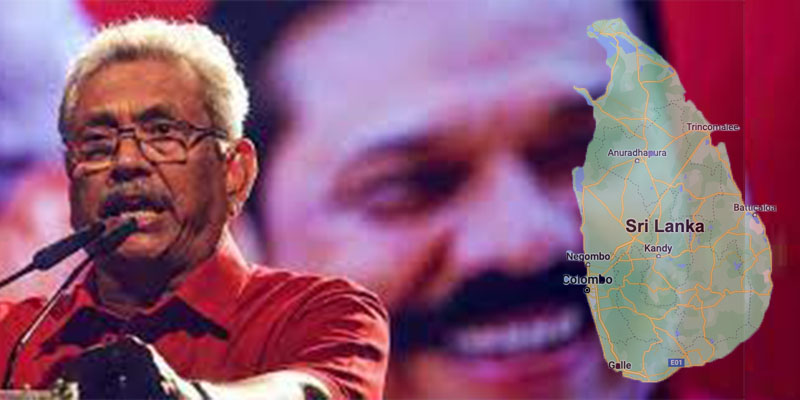
King turned to beggar. These are the words from Sri Guru Granth sahib (SGGS). I had always wondered that I have never seen that reality take place in real life. I knew in my heart that if the words have been said by Guru Ji and written by them, then there is no veracity of their not being the true. But then in my heart I was wondering if that happens, how the reality unfolds. The recent happening in Sri Lanka looked to me like a classic unfolding of such a scenario. The President Gotabaya Rajapaksa was forced to flee the nation roiled by riots as a result of economic meltdown, from a very high inflation rates and acute fuel shortages.
So, let us first try to briefly understand what happened in Sri Lanka:
- The Covid-19 pandemic resulting lockdown had severely impacted the economic wellbeing of the nation so dependent on the tourist flow, which fueled its economy.
- The country was facing severe fuel shortages with low foreign exchange reserves could not pay for its import. It was affecting the economy, as that was resulting in food shortages and also fueling price increases all around. This was making life difficult, and citizens were pointing fingers at the leaders for the mess.
- The citizens were so dissatisfied with the government that a large-scale peaceful protest had started across the nation.
- The economic crisis intensified in May 2022, because of fuel shortages and high food prices had severely undermined the quality of life.
- Lately, the cost of food, of cooking gas, of clothes, transport, and even what electricity the state will allow you to have, had sky-rocketed so egregiously that it created a backlash against the government. Along with price increases the nation’s currency rupee’s value plummeted significantly.
- President Rajapaksa’s two brothers Finance Minister Basil and Prime Minister Mahinda, resigned in April and May, respectively, bowing to public pressure and anger.
- Still the President was defiant, not in a mood to yield to public pressure. He was becoming isolated, his support dwindling, and he was staying sequestered in his palace alone for weeks.
- With erosion to his support his isolation was increasing day by day. He was even becoming increasingly distrustful of his own military commanders and fearful of his own safety.
- On July 9, thousands descended in Colombo demanding the President’s resignation. The situation was so charged that the President was put on a warship by the military for his own safety.
- The extraordinary events of the Saturday appeared to be the culmination of months of peaceful protests in Sri Lanka.
- The protesting citizens had occupied the Presidential Palace, vowing to vacate only on the resignation of the President.
- Even the current Prime Minister Ranil Wickremesinghe’s private residence was also set on fire.
- There was no word from the President, not even a statement, nor his whereabouts were known to the media.
- Finally, the Speaker of the parliament, made a statement that President Gotabaya Rajapaksa has said that he would step down on July 13.
- However, in the early hours of July 13, he boarded a military aircraft bound for Maldives with his wife and two bodyguards.
- Maldivians woke up to a surprise news of President Rajapaksa there in the capital Male, sparking a fierce backlash as the Maldives government was accused of helping a disgraced leader escape justice.
- Rajapaksa was forced to flee to Singapore right away. It was from there that he emailed his resignation latter, sensing that that he had no other option left.
- Even in Singapore he had just been granted permission for a private visit.
So, we find that head of the nation — considered as most powerful — had become a liability in his own country and was forced to flee but has to beg for permission to stay outside. The palace had been breached by the popular unrest in the nation, and President (king in earlier times) had been checkmated. This unfolding of the fate of the head of the nation appeared to me to a modern-day example of Guru Ji’s words:
ਭੇਖਾਰੀ ਤੇ ਰਾਜੁ ਕਰਾਵੈ ਰਾਜਾ ਤੇ ਭੇਖਾਰੀ ॥
“Bhekhaaree te raaj karaavai raajaa te bhekhaaree.” (SGGS, 1252)
Translation: The beggar is transformed into a king, and the king into a beggar.
We saw a king had been turned to a beggar. This was not just an unceremonious fall from grace for President Gotabaya alone, but for his siblings and the powerful clan of Rajapaksas, which had dominated the political landscape for decades. Earlier his older brother Mahinda was the President from 2005 to 2015 and was the Prime Minister from 2019 -2022. The bust of father of the three brothers was toppled by the masses during the violent demonstrations in Hambantota, reminding us that how once venerable was biting dust.
Now let us look at the earlier line of the shabad quoted above, where it was shared that the mortals are exalted to occupy the crown in these words:
ਧਰਤੀ ਤੇ ਆਕਾਸਿ ਚਢਾਵੈ ਚਢੇ ਅਕਾਸਿ ਗਿਰਾਵੈ ॥੨॥
“Dharatee te aakaas chaddaavai chadde akaas giraavai. 2.” (SGGS, 1252)
Translation: From the earth, the mortal is exalted to the ethers (Seventh Sky); and from the ethers on high, he is thrown down again. ||2||
When one is elevated from dust and handed a crown, the feeling invincibility takes birth. One start feeling that one can do no wrong or do any harm and get away with anything. The general tendency grips to usurp more power and control, becoming more autocratic. It makes us forget that we are not going to remain here forever. Guru Ji has warned us in these words:
ਰਾਜੇ ਰਾਇ ਰੰਕ ਨਹੀ ਰਹਣਾ ਆਇ ਜਾਇ ਜੁਗ ਚਾਰੇ ॥
“Raaje rai ra(n)k nahee rahanaa aai jai jug chaare.” (SGGS, 929)
Translation: The ruling kings and the paupers shall not remain; they come and go, throughout the four ages.
The words used in Gurbani are Raaja meaning king, who were the leaders of the countries then, but today we have Presidents and Prime Ministers as heads of nations, but the truth Guru Ji has shared is still valid. We still see that many leaders act in manners as if they are invincible, occupying throne forever. It is easy to notice this tendency amongst the leaders, as their actions affect the citizens of the nation, plus it makes news. But essentially, we all may be carrying these traits as well. We may not have been able to implement them in our lives on the scales of our leaders so have not seen light shined on its effects. Guru Ji says everyone is egoistic:
ਹਉਮੈ ਰੋਗੁ ਮਾਨੁਖ ਕਉ ਦੀਨਾ ॥
“Haumai rog maanukh kau dheenaa.” (SGGS, 1140)
Translation: The mankind is afflicted with the disease of egotism.
It is only when the egotism is purged from within then the merger with Divine takes place:
ਆਪੁ ਗਇਆ ਤਾ ਆਪਹਿ ਭਏ ॥ ਕ੍ਰਿਪਾ ਨਿਧਾਨ ਕੀ ਸਰਨੀ ਪਏ ॥੩॥
“Aap giaa taa aapeh bhae. Kirpa nidhaan kee saranee pae. 3.” (SGGS, 201)
Translation: When selfishness is gone from within, then one becomes (one with) the Lord Himself; (therefore) seek the Sanctuary of the treasure of mercy. ||3||
So, let us all seek the sanctuary of God, and pray that we rid ourselves of our ego. Let our success or achievements not cloud our ability to gauge the ground reality. Let this unfolding of history in front of our eyes trigger our own course correction in life.

Bhupinder ‘Bo’ Singh, Houston. Born in Bhamo, Myanmar, he now lives in Houston, US, where he runs a manufacturing company formed with his son. A mechanical engineer by training, he has authored a number of books, including Connecting with the Master – A collection of essays on topics related to Sikhism (2006) and In Bully’s Eyes – An Illustrated Children’s book on Bullying(2019).
RELATED STORY:
Book Review: The man who bent light (Asia Samachar, 18 May 2022)
ASIA SAMACHAR is an online newspaper for Sikhs / Punjabis in Southeast Asia and beyond.Facebook | WhatsApp +6017-335-1399 | Email: editor@asiasamachar.com | Twitter | Instagram | Obituary announcements, click here