





















By Harmeet Shah Singh | Opinion |
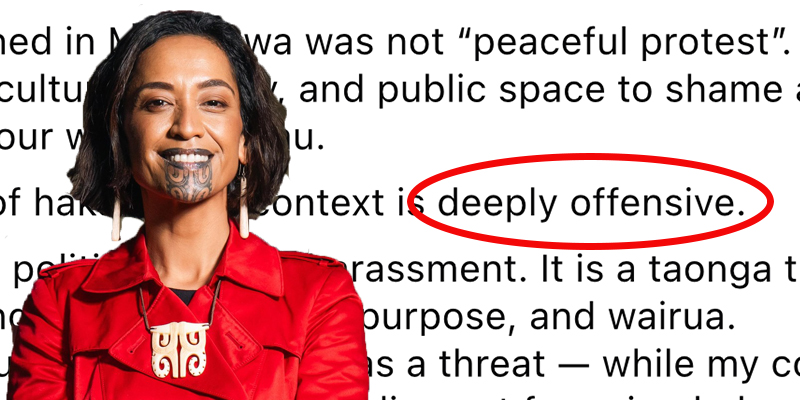
When New Zealand MP Oriini Kaipara spoke in defence of the Sikh community, her intervention carried weight because it addressed more than the obstruction of a Nagar Kirtan in South Auckland. It addressed context. It addressed meaning. It addressed the consequences that follow when sacred cultural expressions are lifted from their grounding and deployed for intimidation, spectacle or political provocation.
“The misuse of haka is deeply offensive,” she wrote in a Facebook post. “Haka is not a political tool for harassment.”
Although her remarks concerned haka, the principle she articulated extends far beyond Māori tradition. It reached directly into my own Sikh memory.
SEE ALSO: NZ group abuse haka to disrupt Sikh nagar kirtan in New Zealand
A few years ago, I came across an old kirtan recording on YouTube by one of the most admired Ragi Singhs of his time. His standing rested on extraordinary memorisation of Gurbani, a vast command of parallel verses and an interpretive authority that shaped generations of listeners. The shabad he rendered was by Guru Arjan Sahib from Ang 190 of Sri Guru Granth Sahib:
ਗਉੜੀ ਮਹਲਾ ੫ ॥
ਅਨਿਕ ਰਸਾ ਖਾਏ ਜੈਸੇ ਢੋਰ ॥ ਮੋਹ ਕੀ ਜੇਵਰੀ ਬਾਧਿਓ ਚੋਰ ॥੧॥ ਮਿਰਤਕ ਦੇਹ ਸਾਧਸੰਗ ਬਿਹੂਨਾ ॥ ਆਵਤ ਜਾਤ ਜੋਨੀ ਦੁਖ ਖੀਨਾ ॥੧॥ ਰਹਾਉ ॥ ਅਨਿਕ ਬਸਤ੍ਰ ਸੁੰਦਰ ਪਹਿਰਾਇਆ ॥ ਜਿਉ ਡਰਨਾ ਖੇਤ ਮਾਹਿ ਡਰਾਇਆ ॥੨॥
ਸਗਲ ਸਰੀਰ ਆਵਤ ਸਭ ਕਾਮ ॥
ਨਿਹਫਲ ਮਾਨੁਖੁ ਜਪੈ ਨਹੀ ਨਾਮ ॥੩॥
ਕਹੁ ਨਾਨਕ ਜਾ ਕਉ ਭਏ ਦਇਆਲਾ ॥
ਸਾਧਸੰਗਿ ਮਿਲਿ ਭਜਹਿ ਗੋੁਪਾਲਾ ॥੪॥੫੫॥੧੨੪॥
In Professor Sahib Singh’s Sri Guru Granth Darpan, translated from his Punjabi exegesis, the shabad addresses the inner state of a human being cut off from spiritual company. Such a person, Professor Sahib Singh explains, inhabits a body devoid of spiritual vitality, moving through cycles of birth and suffering.
The imagery of feeding like cattle, being bound by attachment and wearing fine clothes like a scarecrow in a field is directed inward. The scarecrow resembles life, instils fear, and yet contains none. The shabad functions as a mirror.
In the recording, the metaphor travelled outward. Against the charged backdrop of Punjab in the 1980s, as the region moved toward the military attack on Sri Darbar Sahib, the scarecrow became a pointed reference to a high profile Sikh political figure of the time. Gurbani was drawn into commentary on living power. The audience grasped the allusion immediately.
In that atmosphere, the interpretation carried persuasive force. The Ragi Singh’s stature gave it legitimacy.
When I return to the text now, guided by Professor Sahib Singh’s grammatical and structural reading, the distance between shabad and application becomes unmistakable. The bani had been redirected to serve the moment. Its spiritual centre was displaced accordingly.
Professor Sahib Singh’s authority here is central. Born in 1892 and passing in 1977, he devoted his life to a meticulous grammatical analysis of Sri Guru Granth Sahib. His Sri Guru Granth Darpan remains foundational because it roots interpretation in syntax, metre and internal coherence. Meaning, in his method, arises from structure rather than circumstance. For Sikh thought, his work provides discipline.
As Punjab moved toward relative calm, the habit of bending Gurbani toward political commentary persisted. It rather settled into pattern. Politically aligned Ragis and Parcharaks discovered that selective quotation of bani against institutions, governments or rivals drew attention. Spiritual instruction gradually yielded to headline driven rhetoric. Audiences came to anticipate it.
With the arrival of smartphones and social media, the practice expanded. A generation of Neo-Panthak influencers emerged amid the decline of traditional taksali Akali politics, often carrying Marxist inflections. Fluent English, Western platforms, and diasporic endorsement amplified their reach. They had also absorbed a precedent. They had seen Gurbani used by earlier generations to score political points without sustained scrutiny.
The examples now circulate routinely.
During a wrestlers’ protest in Delhi a few years ago, for instance, lines by Guru Arjan Sahib from Ang 74 were brazenly posted online:
ਹਉ ਗੋਸਾਈ ਦਾ ਪਹਿਲਵਾਨੜਾ ॥
ਮੈ ਗੁਰ ਮਿਲਿ ਉਚ ਦੁਮਾਲੜਾ ॥
ਸਭ ਹੋਈ ਛਿੰਝ ਇਕਠੀਆ ਦਯੁ ਬੈਠਾ ਵੇਖੈ ਆਪਿ ਜੀਉ ॥
Professor Sahib Singh had, however, read them as a metaphor for spiritual elevation. Through the Guru’s guidance, the human being gains inner dignity. The arena described is the moral field of the world, observed by the Divine. The verse speaks of stature.
In another register, Vaar bani has been juxtaposed casually with Star Wars imagery, just because the two words rhyme.
More recently, during a Panjab University protest over a government notification, a student leader chanted Bhagat Kabir’s slok from Ang 1105:
ਗਗਨ ਦਮਾਮਾ ਬਾਜਿਓ ਪਰਿਓ ਨੀਸਾਨੈ ਘਾਉ ॥ ਖੇਤੁ ਜੁ ਮਾਂਡਿਓ ਸੂਰਮਾ ਅਬ ਜੂਝਨ ਕੋ ਦਾਉ ॥੧॥
ਸੂਰਾ ਸੋ ਪਹਿਚਾਨੀਐ ਜੁ ਲਰੈ ਦੀਨ ਕੇ ਹੇਤ ॥ ਪੁਰਜਾ ਪੁਰਜਾ ਕਟਿ ਮਰੈ ਕਬਹੂ ਨ ਛਾਡੈ ਖੇਤੁ ॥੨॥੨॥
In Professor Sahib Singh’s interpretation, the battlefield here is interior. The courage described concerns resistance to vice. The drumbeat sounds in the spiritual realm. The slok speaks of discipline and ascent. In the protest, it functioned as a chant of confrontation.
This is where MP Oriini Kaipara’s message returns with force. Her insistence that sacred expressions demand context invites reflection across traditions. It calls for restraint. It asks whether inheritance is being handled with care.
Her words reopened an unease I have carried for years. I sensed early on that something shifted when Gurbani became shorthand for political emotion. Her intervention has given that sense articulation.
The challenge is generational. What one generation normalises, the next amplifies. The Panjab University protest illustrates that passage clearly. If Gurbani is to remain a source of transformation rather than agitation, its discipline requires conscious renewal.
MP Oriini Kaipara did not speak as a Sikh. Her defence of context and restraint, however, offers a lesson that reaches directly into the Sikh public square. Reverence, she reminds us, rests not only in recitation, but in placement.
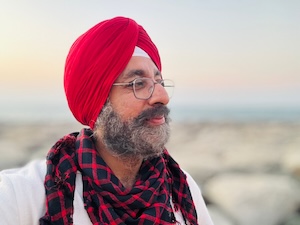
(The writer is a career journalist currently serving as Communications and Advocacy Director at UNITED SIKHS (UK), a charity registered in England and Wales)
* This is the opinion of the writer and does not necessarily represent the views of Asia Samachar.
RELATED STORY:
The Demise of the Akali Dal and the Badal Dynasty: What Next for the Panth? (Asia Samachar, 5 Aug 2024)
ASIA SAMACHAR is an online newspaper for Sikhs / Punjabis in Southeast Asia and beyond. You can leave your comments at our website, Facebook, Twitter, and Instagram. We will delete comments we deem offensive or potentially libelous. You can reach us via WhatsApp +6017-335-1399 or email: asia.samachar@gmail.com. For obituary announcements, click here