






















By Mohan Singh Rendhawa | Opinion |
I have been both a student and a facilitator of the 7 Habits of Highly Effective People program. This program is based on a book written by late Stephen R Covey. The book has sold over 25 million copies worldwide and has been translated into 40 different languages. Habit 2 of the 7 Habits is: Begin with the end in mind. I am looking at my life as a Sikh with a question based on Habit 2.
What is the ‘End in Mind’ that I am aiming for as a Sikh?
I am sure there are many, like me, also searching. When I was growing up, I used to do a lot of sewa in the Wada Gurdwara Penang. Elders used to say, “Sewa kar, mundia; sewa da mewa miluga”, meaning you will get the fruits of your sewa. I have reflected on this all these years trying to identify what is this mewa that I am waiting for. I have been blessed with good health, a good job, a beautiful family and all material needs for my life. But is there anything bigger that I have missed?
My thoughts have also always also been attracted to the six pauris of Anand Sahib, commonly read in gurdwaras before Ardaas. Why is this part of the ceremony compulsory and why is it a must be followed? I have come to the conclusion that the big mewa that I will get is Anand or Bliss if I apply the knowledge within the Sri Guru Granth Sahib (SGGS). This is not physical but a state of mind. If I continue to enjoy Anand and apply the lesson in Sukhmani Aspadi 8, I will be elevated to become a Jivan Mukt – a liberated and happy person while still alive. This, to my mind, is the big mewa for all Sikhs. Let us explore my thoughts together. You may also benefit from them as I have.
ਜੀਵਤ ਮੁਕਤ ਗੁਰਮਤੀ ਲਾਗੇ ॥
Jivan mukt gurmati laagey.
“Those attached to the Guru’s wisdom are liberated while alive and called Jivan Mukti.” (SGGS, 1262)
The key phrase in the above quote is Guru’s wisdom. It means I have to study the SGGS, not just read, or pay others to read on my behalf, as commonly done in our Gurdwaras. To be successful I have to accumulate wisdom. What our Gurus call Jivan Mukti means getting liberation while still alive. To achieve this we need knowledge which is Gian. We must all, therefore, aspire to be a Giani, a person with knowledge, and use the knowledge to aspire for Jivan Mukti.
In fact the knowledge we need is not only from the SGGS but knowledge about all things around us. We must never stop learning. The word Sikh is derived from the Punjabi word sikkh, which itself comes from the Sanskrit root śikṣ (śiksati), meaning “to learn” or “disciple.” Learn by observation how people behave and how things around us work. How animals live and strive in nature. This way we will also be able to know Waheguru who is immersed in his creation. Try watching National Geographic as a learning tool.
A learned Sikh from Penang shared this: “The Sikh definition of success is not wealth, position, popularity or even religious practices and rituals. Gurbani defines success as becoming a Jivan Mukti – a person, who lives in the world, serves in the world, loves in the world, leads in the world, but remains free from ego, fear, attachment and inner slavery.”
Recently, I asked Gurdwara Bangla Sahib head granthi Giani Ranjit Singh if there is a book to guide a person to become a Jivan Mukth. His said: “Get rid of the five thieves from your inside, understand and apply the knowledge in your nitnem banis, you will become a Jivan Mukti. The five thieves: Kam, Krod, Lobh, Moh and Hankar. These are always mentioned in our Gurdwaras but nobody is teaching us how to control them or get rid of them. They are sensitive human emotions and difficult to handle. I am sure some training in this area will be useful.”
ਪ੍ਰਭ ਕੀ ਆਗਿਆ ਆਤਮ ਹਿਤਾਵੈ ॥ ਜੀਵਨ ਮੁਕਤਿ ਸੋਊ ਕਹਾਵੈ ॥
Prabh kee aagiaa aatam hitaavai, jeevan mukat so-oo kahaavai.
“One who lovingly accepts the Will of God within the soul is called a Jivan Mukat.” (SGGS, 275)
Guru Arjan Dev Ji describes such a person as Jeevan Mukat Jis Ridai Bhagwant. (“Liberated while alive is the one in whose heart the Divine dwells.”)
SGGS says the Divine dwells in you and you are not just a body. The Guru does not merely tell us what to believe. The Guru shows us what we can become. Perhaps one of the most profound verses in this regard is:
ਮਨ ਤੂੰ ਜੋਤਿ ਸਰੂਪੁ ਹੈ ਆਪਣਾ ਮੂਲੁ ਪਛਾਣੁ ॥
Man tū̃ jot sarūp hai āpaṇā mūl pachhāṇ.
O mind, you are the embodiment of the Divine Light; recognize your own origin. (SGGS, 441)
Once we recognize this we realize that we are part of the divine light. Each of us has an Atma and Pramatma within us. This means that we are a part of God. This suggests that spirituality is not about acquiring something new. It is about rediscovering something that already exists within us.
Yet, if divine light already resides within, why do we struggle? We struggle because of lack of knowledge that is Gian.
A dear friend shared this advice: “Sikhs are encouraged to live as householders. We are not expected to withdraw from the world to attain Jivan Mukti. We engage with family and society but remain anchored in Naam. The challenge is not to escape life but to live it so skillfully that the Divine becomes evident in our thoughts, words and action.”
(In Part Two, we explore qualities of a Jivan Mukti)
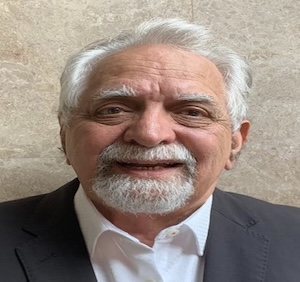
Author: Lt. Col. (Rtd.) Dr Mohan Singh Rendhawa is a Fellow Institute of Personnel & Development UK and also a Fellow of the Institute of Public Relations Malaysia. He served the RMAF for 27 years and has been a corporate trainer for 28 years after he took his early retirement from the RMAF. The views of this article are the personal opinions of the writer.
RELATED STORY:
Sikh Youth Challenges: High divorce rate, tough finding partners (Asia Samachar, 23 June 2024)
ASIA SAMACHAR is an online newspaper for Sikhs / Punjabis in Southeast Asia and beyond. You can leave your comments at our website, Facebook, Twitter, and Instagram. We will delete comments we deem offensive or potentially libelous. You can reach us via WhatsApp +6017-335-1399 or email: asia.samachar@gmail.com. For obituary announcements, click here