Sikhs in an event in 2022 organised by Penticton Sikh Temple in BC, Canada – Photo: Pat Singh Cheung
By Asia Samachar | Canada |
The Sikh community throughout the South Okanagan and the Lower Mainland came together when temperatures dropped in Penticton to gather as many blankets as they could for those in need, and now they hope to distribute them, reports Castanet.
Penticton Sikh Temple vice secretary Paul Brar said their team started gathering blankets in December to make sure everyone stayed warm.
“We couldn’t get in the time but we got them now to distribute,” he said. “The temple is to help everyone. That’s the basic concept of Sikhism.”
The gurdwara in British Columbia, Canada, has managed to gather between 80 to 100 blankets for the community.
Brar said they were not able to do much as the gurdwara does not have a big budget, but still they wanted to help at least to reach the people who really needed those blankets.
ASIA SAMACHAR is an online newspaper for Sikhs / Punjabis in Southeast Asia and beyond. When you leave a comment at the bottom of this article, it takes time to appear as it is moderated by human being. Unless it is offensive or libelous, it should appear. You can also comment at Facebook, Twitter, and Instagram. You can reach us via WhatsApp +6017-335-1399 or email: asia.samachar@gmail.com. For obituary announcements, click here.
This shabd is composed by Guru Nanak ji in Asa Rag and is recorded on page 360 of the Sri Guru Granth Sahib Ji. The complete shabd is as follows.
ਖੁਰਾਸਾਨ ਖਸਮਾਨਾ ਕੀਆ ਹਿੰਦੁਸਤਾਨੁ ਡਰਾਇਆ ॥ Khurasan Khasmana Kiya Hindustan Draya. ਆਪੈ ਦੋਸੁ ਨ ਦੇਈ ਕਰਤਾ ਜਮੁ ਕਰਿ ਮੁਗਲੁ ਚੜਾਇਆ ॥ Apey Dos Na Deyi Karta Jum Kar Mugal Chareya. ਏਤੀ ਮਾਰ ਪਈ ਕਰਲਾਣੇ ਤੈਂ ਕੀ ਦਰਦੁ ਨ ਆਇਆ ॥੧॥ Eyti Mar Pyee Kurlanney Tain Ki Dard Na Aiya. ਕਰਤਾ ਤੂੰ ਸਭਨਾ ਕਾ ਸੋਈ ॥ ਜੇ ਸਕਤਾ ਸਕਤੇ ਕਉ ਮਾਰੇ ਤਾ ਮਨਿ ਰੋਸੁ ਨ ਹੋਈ ॥੧॥ ਰਹਾਉ ॥ Karta Tu Sabhna Ka Soyi. Jay Sakta Saktay Ko Marey Ta Mun Ros Na Hoyi. Rahao ਸਕਤਾ ਸੀਹੁ ਮਾਰੇ ਪੈ ਵਗੈ ਖਸਮੈ ਸਾ ਪੁਰਸਾਈ ॥ Sakta Seeh Marey Paiy Vagey Khasmeiy Sa Pursayi. ਰਤਨ ਵਿਗਾੜਿ ਵਿਗੋਏ ਕੁ’ਤੀ ਮੁਇਆ ਸਾਰ ਨ ਕਾਈ ॥ Ratun Vigarr Vegoe Kuti Moeya Sar Na Kayi. ਆਪੇ ਜੋੜਿ ਵਿਛੋੜੇ ਆਪੇ ਵੇਖੁ ਤੇਰੀ ਵਡਿਆਈ ॥੨॥ Apey Jorr Vichorrey Apey Vekh Teri Vadeayi. ਜੇ ਕੋ ਨਾਉ ਧਰਾਏ ਵਡਾ ਸਾਦ ਕਰੇ ਮਨਿ ਭਾਣੇ ॥ Jay Ko Nao Dhraye Vdda Saad Krey Mun Bhanney. ਖਸਮੈ ਨਦਰੀ ਕੀੜਾ ਆਵੈ ਜੇਤੇ ਚੁਗੈ ਦਾਣੇ ॥ Khasmey Nadri Kirra Avey Jaytay Chugaiy Danney. ਮਰਿ ਮਰਿ ਜੀਵੈ ਤਾ ਕਿਛੁ ਪਾਏ ਨਾਨਕ ਨਾਮੁ ਵਖਾਣੇ ॥੩॥੫॥੩੯॥ Mar Mar Jevay Ta Kich Paye Nanak Nam Vkhanney
This shabd stands high on the list of mistranslated shabds; with one of its verses (the third one) being (mis)translated as Guru Nanak expressing his “dismay” that the Creator “allowed the slaughter of innocent people” and bewailed the Creator by asking “didn’t you feel compassion?” (Sant Singh Translation).
The shabd is further (wrongly) described as being composed pertaining to the attack of Babur and narrated to the Mogul conqueror Babur as advice.
Gurbani is Sarab Sanjhi; by which is meant it is never occasion, location, era or person specific. This means that while Gurbani is always composed at some location; may be composed to draw from specific occasions and events; and may be uttered in the presence of person or persons – the composition is never meant for any specific location, any particular occasion or for a certain person(s).
All of Gurbani is composed for use in all locations, all occasions, all eras and all persons. Gurbani is spiritual in nature and meant for the whole of humanity throughout time.
Specifying Gurbani for specific locations, occasions and person(s) is a human failing. It arises from our failure to explore the true spiritual messages of Gurbani within shabds. It originates out of our folly of wanting to understand Gurbani only in the literal sense.
UNDERSTANDING THE SHABD
This article attempts to provide Tatt Gurmat (Authentic SGGS based Sikhi) meanings to the verses by using the Gurbani Framework – a method which uses Gurbani within the SGGS to explain Gurbani.
The Rahao verse contains the gist of a shabd. It is the verse that contains the primary principle of the entire shabd. It is thus the verse that provides the context for the remaining verses. All remaining verses of the shabd revolve around this gist verse; and must thus be understood within the context provided by the Rahao verse.
We shall start by looking at the Rahao verse of the shabd under discussion.
ਕਰਤਾ ਤੂੰ ਸਭਨਾ ਕਾ ਸੋਈ ॥ ਜੇ ਸਕਤਾ ਸਕਤੇ ਕਉ ਮਾਰੇ ਤਾ ਮਨਿ ਰੋਸੁ ਨ ਹੋਈ ॥੧॥ ਰਹਾਉ ॥ Karta Tu Sabhna Ka Soyi. Jay Sakta Saktay Ko Marey Ta Mun Ros Na Hoyi. Rahao
Karta – Creator. Tu – You. Sabhna Ka – Of all. Soyi – From ਸਾਰ ਲੈਣ ਵਾਲਾ; provider, protector. Jay – in the event, if. Sakta – Powerful, strong; prevalent. Saktay – Sp. Powerful, Overbearing Vices. Kao – Them. Marey – Lit. kills, eliminates, overcomes. Ta Mun (with sihari) – Within one’s mind. Ros – Grievance, Objection. Na Hoyi – Not have.
Note: As is the case with Gurbani, its messages are addressed to the mind. The words ਸਕਤਾ Sakta, ਸਕਤੇ Saktay, ਮਾਰੇ Marey and ਰੋਸੁ Ros are thus interpreted in the context of the mind.
O Creator, You are the Provider of All. A Mind that Prevails Over Overbearing Vices Will Have No Grievance Within Itself (Regarding the fact that You are the Provider of All).
COMMENT
The common translation of this verse is: O Creator Lord, You are the Master of all. If some powerful man strikes out against another man, then no one feels any grief in their mind. (Sant Singh MD). This literal translation is erroneous on the following four grounds.
One, why would Guru Nanak – a man of love, peace and God – feel no grief for the powerful fighting the powerful? He would feel grief at any and every kind of violence between mankind. In fact, fights between powerful opponents are more destructive and truly wasteful than between weaker opponents. Guru Nanak would express more grief if the powerful fought the powerful.
Second, in such a translation, the first verse of the Rahao appears to have no connection with the second. The first talks about God being the master of all. And the second suddenly shifts gears towards the powerful fighting the powerful! What is the relationship between these two disjointed assertions? There appears to be none; and that is not because the composer of the verse sufferts from a defect but because the translation is faulty.
Third, in such a translation, the first verse and the second become contradictory. If the Creator is the master of all – then he is the master of the fighting parties too – whether they are weak or powerful. So what then is the need to feel grief over one type of fight and not over another.
Fourth, such a translation takes away the spirituality of the message. What is the spiritual message in saying “there is no grief if the powerful fight the powerful?” How can a spiritually inclined mind feel no grief? Worse, the (mis)translations seem to suggest that the strong fighting the strong is acceptable.
The conclusion therefore is that this verse is not about any external fight between external forces. It is about our mind accepting that the Creator is the provider of all and our mind not having any grievances or complaints to that effect (ਤਾ ਮਿਨ ਰੋਸੁਨ ਹੋਈ Ta Mun Ros Na Hoyi). For such acceptance to take place, and for such grievances to not exist, our mind must prevail – be strong (ਸਕਤਾ Sakta) enough to overcome (ਕਉ ਮਾਰੇ Kao Marey) the strong overbearing vices (ਸਕਤੇ Saktay) within our mind.
CONCLUSIONS
This shabd conveys spiritually rich messages pertaining to living virtuously that are derived from within the context of living under social, political and cultural systems that are or can be inhibiting.
Guru Nanak is providing spiritual (and temporal) pointers to enable virtuous living within such a context. The overall message is that political, social and cultural subjugation should not be allowed to come in the way of our spiritual goals. They should also not be blamed for our spiritual failings; neither should one blame the Creator. The Rulers and the Ruled are creations of the one single Creator. Fear can be eliminated from within our mind if we accept this premise. (Verse 1 and first part of Rahao).
If one rejects such a premise, then one will blame the Creator for it – a misplaced action. The self and the self alone bears responsibility for allowing fear to cripple one to the point of spiritual death. Fear can be eliminated from within our mind if we accept this premise. (Verse 2).
In spiritual death, the mind has to endure the pain of a vice-filled life – the accountability of which accrues to one’s self. The result is a conscience that is destructed by temporal greed and thus estranged from the Creator. (Verses 3, 6 & 7) Temporal survival lures the self to make claims of virtuous-ness while reveling in selfish indulgences.
(Verse 9 & 10) The Hukm pertaining to spirituality is plain: One needs to live a life liberated from vices, and realization of the Creator within must be created by the self. The mind is the entity that is fully empowered to do this. Only then is grace realized, says Nanak. (Second part of the Rahao Verse, Verses 8 & 11).
All these messages are applicable to the entirety of humanity across the entirety of social, cultural and political systems that we live in.
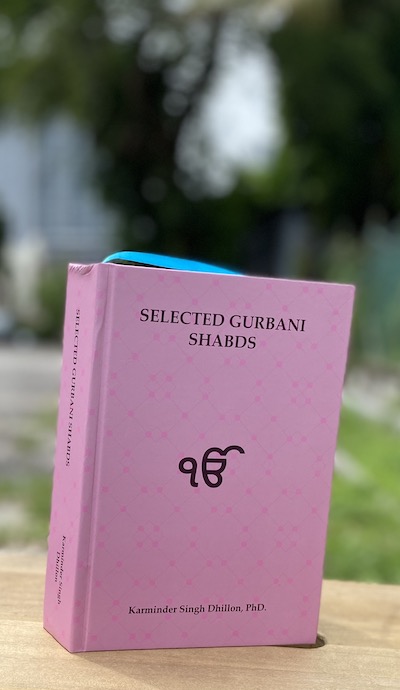
(This is an abridged version of the article that appeared in The Sikh Bulletin(December 2022 – Volume 24 Number 5, Special Edition). It was reproduced with courtesy from Karminder Singh Dhillon, Selected Gurbani Shabds, KL: 2020 page 202– 215) Book is available from https://sikhivicharforum.org/store/
ASIA SAMACHAR is an online newspaper for Sikhs / Punjabis in Southeast Asia and beyond. When you leave a comment at the bottom of this article, it takes time to appear as it is moderated by human being. Unless it is offensive or libelous, it should appear. You can also comment at Facebook, Twitter, and Instagram. You can reach us via WhatsApp +6017-335-1399 or email: asia.samachar@gmail.com. For obituary announcements, click here.
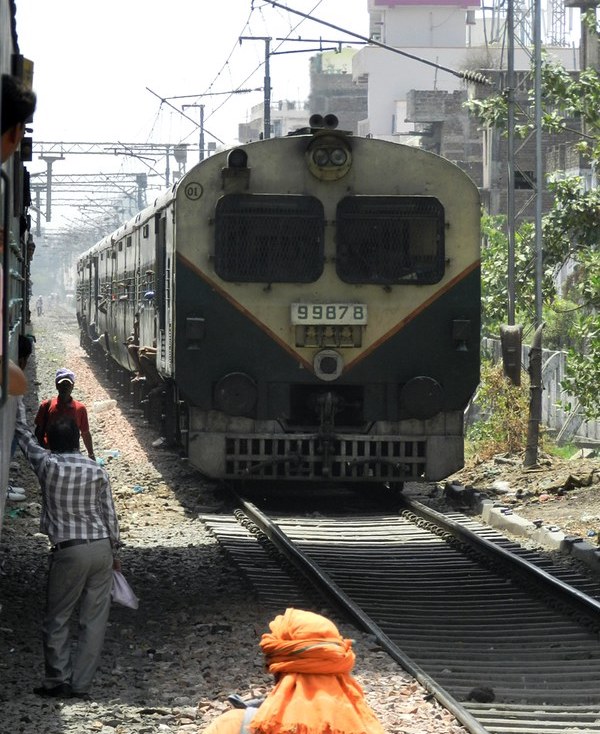
A diesel multiple unit or DEMU nearing Patna Sahib – Photo: Santulan Mahanta
By Gurmukh Singh | Opinion |
“For this purpose was I born: To spread righteous living, to raise the saintly people and to destroy the evil doers.” (Guru Gobind Singh, Bachittar Natak)
Gobind Das, also known as Gobind Rai before Vaisakhi 1699, was the only child of Ninth Nanak, Guru Tegh Bahadur and Mata Gujri. He was born at Patna in Bihar, on 18 December 1661 (see end-note about the Guru’s birth date).
He spent the first few years of his life at Patna and attracted much local attention and affection from Hindu and Muslim communities alike due to his exceptional qualities. Muslim saints like Bhikhan Shah of Ghuram and Araf Din of Lakhnaur came to see him and were impressed by his wisdom. A Hindu saint, Shiv Dutt, and the local Raja Fateh Chand of Patna and his wife became his devotees.
The point to note is that from his childhood until the conclusion of his mission on this earth, the Guru’s treatment of diverse communities was above religious and social divides. He treated all as “Manas ki jaat” (One Human race or community). He loved all and attracted saintly people from all communities but resisted oppression regardless of the religio-social background of the aggressor or the odds against him.
As he grew up at Patna, he was aware of the prolonged preaching tours of his father, Guru Tegh Bahadur, to distant places in northern and eastern Indian sub-continent to revive the Sangats of Guru Nanak.
In year 1670, the Guru family started the long journey of over 1,000 miles to Punjab, staying in many towns on the way. Gobind Das was liked and admired by all. The family reached the village of Bakala in Punjab and in 1672 moved to Chakk Nanaki, now known as Anandpur Sahib. The land had been purchased from the ruler of Bilaspur (Kahlur) by Guru Tegh Bahadur in 1665. Thousands came to see young Gobind Das.
His tutors included Sahib Chand, and Persian scholar Qazi Pir Mohammad. He also received training in military skills and horse riding from his father, Guru Tegh Bahadur, the Master of the Sword, who had kept up his interest in weapons training and hunting since the battles of his father, Guru Hargobind. As Gobind grew up, he excelled in poetry, music and martial arts and was peerless in archery and horse-riding.
From the age of nine years, he accompanied his father during the Panjab and Bangar Desh tours. At the age of 14 years he was fully aware of the plight of the Brahmins of northern India and Kashmir when they came to seek Guru Tegh Bahadur’s help against Aurungzeb’s religious persecution. Gobind Das played a key role in Guru Tegh Bahadur’s decision to confront Aurungzeb with his cruelty.
Guru Tegh Bahadur’s subsequent unique martyrdom would awaken the people of India to resist foreign invasions and state terrorism under the lead of the Guru’s Khalsa.
That was the position of strength based on the country-wide network of Sangats, which the Guru inherited from Guru Nanak to Guru Tegh Bahadur. The foundation on which Khalsa institutions were built by a succession of Guru-persons was laid deep by Guru Nanak. Now the Guru Jot-Jugat resided in him to complete the Guru tuition period from 1469 to 1708.
Gobind Das was anointed Guru on 8 July 1675 before Guru Tegh Bahadur set off for Delhi to confront Aurungzeb with his religious zealotry. His own evidence leaves no doubt that Aurungzeb was in Delhi when Guru Tegh Bahadur and his three Sikhs, Matti Das, Bhai Dyala and Satti Das. were martyred.
He moved to Paonta on the bank of the river Yamuna and stayed there till 1685. There, many reputable poets came to him. Some literature attributed to the Guru was also written there.
PEN BEFORE THE SWORD
The strategy followed was the same as that of the earlier Gurus starting with Guru Nanak. He energised a downtrodden people by reminding them of their own heritage by making available to them in common language the Vedic literature (ancient Hindu literature) about the great deeds of their own Indic folk heroes: the mythological gods and goddesses, who (in their belief system) were the forces of good who had fought and destroyed the forces of evil. Encouraged by him, scholars and poets flocked to him to write poetry and literature in the ordinary language of the people. This was a sacrilege for the Brahmin because, hitherto, Vedic literature in Sanskrit had been monopolized and exploited for personal gain by the Brahmin to maintain his social position at the top.
He specifically denounced the Brahmin priestly class, the Bipran, who misled and exploited the ordinary people and were the main cause of India’s weak position against the onslaught of Islamic invaders. They were held responsible for the divided Indian society and the subjugation of the people of sub-continent for centuries.
The literature associated with Guru Gobind Singh should be seen in its proper context as above, as a means of awakening the people to their own past which showed the triumph of good over evil. However, he made it clear even in that literature that his own path did not follow the old ways and that he was the servant of none other than the One Supreme Timeless Unborn Creator Being (also described in Jaap Sahib as The Self-Aware Unlimited Energy capable of changing from Potential (Achal) state to manifest state at Own Will.)
Yet, in another sense, the Vedic literature made available in common language exposed the ancient myth and lore to the scrutiny of the more discerning. Many decided to join the expanding ranks of the Guru’s mar-jeevra (reborn) Khalsa. From Guru Nanak Sahib onwards, the Guru Jote (divine Light) warned that Sikhi demanded one’s ego-centric head! Sikhi was a challenging and difficult path of love and sacrifice to follow. A Path of inner detachment while remaining fully participative in the Creator’s world-play. It was about social activism and it unequivocally rejected the opt-out lifestyle of the Indic systems.
Like work-in-progress, we shall continue at our own pedestrian pace to comprehend and analyse the literary contribution of Guru Gobind Singh. In my view, arrogant positions for and against the literary works associated with the Guru, miss the point.
ARMED DEFENCE
After some years at Paonta, where literature was written and collated to awaken the dormant spirit of the people, followed the battle of Bhangani forced on the Guru by the treacherous hill rajas. The Guru moved back to Anandpur for the next phase. Time had come to take up the sword as the last resort to oppose oppression and foreign invasions.
Guru Gobind Singh fought 14 battles between 1688 (Battle of Bhangani) and 1705 (Battle of Muktsar) against impossible odds: the combined forces of the tyrannical Mughal rulers and their cowardly subordinate rajas and vassals. The epic battles of Anandpur and Chamkaur are memorable in the history of warfare.
Gurdwara Patna Sahib – Photo: Vandana
In accordance with Guru Nanak’s pre-condition for treading the path of Sikhi (Je tao prem khelan ka chao), as Tenth Nanak, he put his Khalsa through the mar-jeevra (reborn) Amrit initiation test on the Vaisakhi Day in 1699. He taught them the Nash doctrine to ensure complete break from the divisive ways of the wily Brahmin which had enslaved the ordinary people of the Indian subcontinent for centuries.
After Vaisakhi 1699, events took place in quick succession. With reports reaching the Mughal Darbar, came the confrontation. The siege of Anandpur; the epic battle of Chamkaur and the martyrdom of the two older Sahibzaaday; on to Macchiwara through thorny bushes from Chamkaur, alone barefooted with a sword in hand; the martyrdom of the two younger Sahibzaaday as ordered by the Nawab of Sirhind; the remarkable journey in disguise as Uch-da-Pir; the regrouping of the Khalsa army around the Guru to deliver a crushing blow to the pursuing Mughal forces at the last battle of Muktsar and on to Nanded (Hajoor Sahib) after some months stay at Damdama Sahib.
In the succession battles for the throne after Aurungzeb, prince Muazzam, the most moderate of his sons, sought the Guru’s help through the mediation of the Guru’s devotee scholar, Bhai Nand Lal. Help was given and appreciated; but once he became emperor as Bahadur Shah, probably due to pressure from the religious fanatics around him and his weak position as a new emperor, he reneged on his promise to punish the powerful Nawab of Sirhind who had ordered the martyrdom of the younger Sahibzaaday. He was probably implicated in the treacherous stabbing of the Guru while resting. The assassin himself was killed by the Guru.
As pre-ordained, the teaching mission of Guru Nanak Jot in ten human forms was nearing completion. Baba Banda Singh Bahadur was given his final instructions. He was to follow the Guru’s own example as the servant-Commander of the Khalsa army and continue with the Guru’s nation-building mission towards a sovereign Khalsa state in which all enjoyed equal freedoms and rights.
Guru Gobind Singh passed on the Gurgaddi to Guru Granth Sahib. And so, having completed own mission as Nanak Tenth, the Guru departed for Sach Khand a on 7 October 1708.
Guru Gobind Singh was a living martyr, a Sarbans Daani, who sacrificed his whole family to accomplish his mission which he stated as:
“For this purpose was I born: To spread righteous living, to raise the saintly people and to destroy the evil doers.” (Guru Gobind Singh, Bachittar Natak).
Note about Guru Gobind Singh’s Parkash (birth) date:
Sikh historiographers have shown beyond doubt that birth dates of some Gurus, starting with Guru Nanak Sahib, are not the same as the dates on which they are celebrated. As confirmed by contemporary sources, Gobind Das was born on Samat 1718 Pokh Massay Sudi Saptmi on Budhwar (Wednesday). Converted to Julian Calendar, that date is 18 December 1661. The day of the week was Wednesday on that date. (Guru Kian Sakhian, Sakhi 18 and Bhatt Vahi Purabi Dakhni).
Gurmukh Singh OBE, a retired UK senior civil servant, chairs the Advisory Board of The Sikh Missionary Society UK. Email: sewauk2005@yahoo.co.uk. Click here for more details on the author.
* This is the opinion of the writer, organisation or publication and does not necessarily represent the views of Asia Samachar.
ASIA SAMACHAR is an online newspaper for Sikhs / Punjabis in Southeast Asia and beyond.Facebook | WhatsApp +6017-335-1399 | Email: editor@asiasamachar.com | Twitter | Instagram | Obituary announcements, click here
Almost as far back as I can remember, I have disliked elitism and snobbish attitudes associated with it. I am not talking about good manners or valuing of education, but an attitude where some believe themselves to be naturally superior to others. Maybe because I grew up in socially deprived working class communities, though I definitely was jealous of people who I saw as being privileged, I also had a contempt for the clear systemic inequalities and sheer greed that perpetuated elitism.
My contempt for ‘elitism’ does not deny the fact that some people can display exceptional qualities. Indeed, in every field, from education to science, sports, music, arts, performance, chess and skateboarding, there are individuals who, through lots of effort and some good fortune, develop amazing abilities. Neither is my opposition to elitism a plea for mediocrity. My argument is simply against an elitism that is associated with a form of inherited status. That is to say a status that is derived not through invididual effort and endeavour, but as a consequence of privilege, good fortune and symbolism.
As the sociologist C. Wright Mills notes in his book, The Power Elite published in 1956, those people who benefit from all kinds of privileges and advantages refuse to acknowledge this. “They come readily to define themselves as inherently worthy of what they possess; they come to believe themselves ‘naturally’ elite; and, in fact, to imagine their possessions and their privileges as natural extensions of their own elite selves.”
On the other hand there are those people who have to struggle against the odds. To illustrate my point, consider arguably the two greatest living footballers that we had the privilege to watch in the recent World Cup final, Lionel Messi and Kylian Mbappe. Nobody can deny they belong to a sporting elite, but both come from poor humble roots. They have achieved their ‘elite’ status inspite of, not because of, their social background. This is in contrast to the traditional class of ‘elites’ who most probably reflect the spectrum of abilities, though their assumed elite status will suffice to pass as being elite!
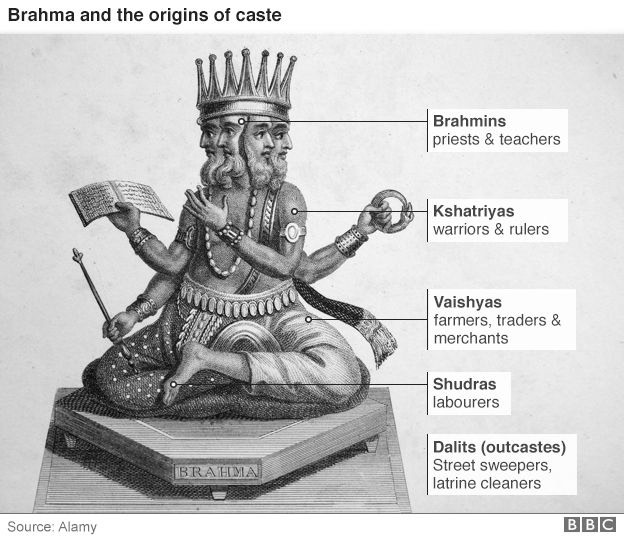
Much of Guru Nanak Ji’s life and writing was concerned with confronting the power and bigotry of the elites, from the Mogul rulers to the landowners and priestly classes. He led a crusade against the caste system which, because of religious sanctions and ideology, was seen as a natural divinely ordained fixed essence. In the following shabad, his condemnation of elitism, in the form of millennia old caste based hierarchies, is about as direct as one can be. Amongst other things, Nanak can be seen as a public intellectual who, like Socrates, sought to highlight the corruption, hypocrisy of the prevailing system of elitism and patronage.
ਸਿਰੀਰਾਗੁ ਮਹਲਾ ੧ ॥ Siree Raag, First Mehla:
ਲੇਖੈ ਬੋਲਣੁ ਬੋਲਣਾ ਲੇਖੈ ਖਾਣਾ ਖਾਉ ॥ For a limited time, people speak their words and they consume their food.
ਲੇਖੈ ਵਾਟ ਚਲਾਈਆ ਲੇਖੈ ਸੁਣਿ ਵੇਖਾਉ ॥ For a limited time, they walk along the way, they see and hear.
ਲੇਖੈ ਸਾਹ ਲਵਾਈਅਹਿ ਪੜੇ ਕਿ ਪੁਛਣ ਜਾਉ ॥੧॥ For a limited time, they draw their breath. Why do I need and ask the scholars about this? ||1||
ਬਾਬਾ ਮਾਇਆ ਰਚਨਾ ਧੋਹੁ ॥ O my fellow human being, the splendor of falsehood is deceptive.
ਅੰਧੈ ਨਾਮੁ ਵਿਸਾਰਿਆ ਨਾ ਤਿਸੁ ਏਹ ਨ ਓਹੁ ॥੧॥ ਰਹਾਉ ॥ The blind person has forgotten the divine truth; he is in limbo, neither here nor there. ||1||Pause||
ਜੀਵਣ ਮਰਣਾ ਜਾਇ ਕੈ ਏਥੈ ਖਾਜੈ ਕਾਲਿ ॥ Life and death come to all who are born. Everything here gets devoured by Death.
ਜਿਥੈ ਬਹਿ ਸਮਝਾਈਐ ਤਿਥੈ ਕੋਇ ਨ ਚਲਿਓ ਨਾਲਿ ॥ Where life is being critically evaluated, no one is prepared to co-operate.
ਰੋਵਣ ਵਾਲੇ ਜੇਤੜੇ ਸਭਿ ਬੰਨਹਿ ਪੰਡ ਪਰਾਲਿ ॥੨॥ Those who weep and wail but spend their whole life in material desires . ||2||
ਸਭੁ ਕੋ ਆਖੈ ਬਹੁਤੁ ਬਹੁਤੁ ਘਟਿ ਨ ਆਖੈ ਕੋਇ ॥ Everyone demands more and more material possessions from you (God), not body asked for less.
ਕੀਮਤਿ ਕਿਨੈ ਨ ਪਾਈਆ ਕਹਣਿ ਨ ਵਡਾ ਹੋਇ ॥ No one has reflects on the true value of one’s accumulated possessions. By demanding more and more, one does not become high.
ਸਾਚਾ ਸਾਹਬੁ ਏਕੁ ਤੂ ਹੋਰਿ ਜੀਆ ਕੇਤੇ ਲੋਅ ॥੩॥ The infinite divine entity prevails all other beings, of so many worlds, come and go ||3||
ਨੀਚਾ ਅੰਦਰਿ ਨੀਚ ਜਾਤਿ ਨੀਚੀ ਹੂ ਅਤਿ ਨੀਚੁ ॥ ਨਾਨਕੁ ਤਿਨ ਕੈ ਸੰਗਿ ਸਾਥਿ ਵਡਿਆ ਸਿਉ ਕਿਆ ਰੀਸ ॥ Nanak seeks the company of the meek and humble, the ones who have been designated lowest of the low, I have no desire to mimic the elites.
ਜਿਥੈ ਨੀਚ ਸਮਾਲੀਅਨਿ ਤਿਥੈ ਨਦਰਿ ਤੇਰੀ ਬਖਸੀਸ ॥੪॥੩॥ In that place where the meek and humble are cared for where the Glance of your Grace is felt. ||4||3||
So, when those who have demonstrable elite abilities function to inspire others to excel, this is a good thing. However, when elitism driven by ego and greed, is deployed to deny equal opportunities as well as being an apology for mediocrity amongst the privileged classes, there is no moral or economic justification for it.
Gurnam Singh is an academic activist dedicated to human rights, liberty, equality, social and environmental justice. He is an Associate Professor of Sociology at University of Warwick, UK. He can be contacted at Gurnam.singh.1@warwick.ac.uk
* This is the opinion of the writer and does not necessarily represent the views of Asia Samachar.
ASIA SAMACHAR is an online newspaper for Sikhs / Punjabis in Southeast Asia and beyond. When you leave a comment at the bottom of this article, it takes time to appear as it is moderated by human being. Unless it is offensive or libelous, it should appear. You can also comment at Facebook, Twitter, and Instagram. You can reach us via WhatsApp +6017-335-1399 or email: asia.samachar@gmail.com. For obituary announcements, click here.
Greatly loved, deeply missed, forever in our hearts.
Please join us for Akhand Path from 3rd February 2023 (Friday) to 5th February (Sunday) at Gurdwara Sahib Ampang, Ulu Klang
Programme Details: Akhand Path commences at 8.30am on Friday, 3rd February 2023 Guru Ka Langgar will be served throughout the programme Path da Bhog will be at 8am, Sunday, 5th February 2023 Diwan and Kirtan Programme commences at 9am followed by Ardaas and Guru Ka Langgar
For enquiries, please contact: Meeta 016 – 398 4119 Aman 012 – 215 3210 Ritu 013 – 355 1501
| Entry: 11 Jan 2023 | Source: Family
ASIA SAMACHAR is an online newspaper for Sikhs / Punjabis in Southeast Asia and beyond. When you leave a comment at the bottom of this article, it takes time to appear as it is moderated by human being. Unless it is offensive or libelous, it should appear. You can also comment at Facebook, Twitter, and Instagram. You can reach us via WhatsApp +6017-335-1399 or email: asia.samachar@gmail.com. For obituary announcements, click here.
Sandeep Grewal (left) with Aravind Sinniah at the 5-star hotel they are managing, which represents an expansion of their business strategy.
By Azizul Rahman | Digital News Asia | Malaysia |
Sandeep Grewal started his career as a mortgage broker and this expertise would eventually come to influence his career.
“Property is all about loans,” he says. And while he may have been trained by banks he learnt even more from clients. “Honestly, I learnt so much from them, some of whom bought properties almost every month.”
In 2006, sensing an opportunity in the water business, he quit banking and launched a water vending machine business which eventually failed.
He decided to go back to his roots, loosely speaking, and co-founded Freeman Education in 2009. “I decided to teach what I had learned as a mortgage broker instead of just making property investments with some friends.”
Not surprisingly, quite a few of those who started making investments after going through the Freeman course started asking Sandeep for help in managing their properties. Before he knew it, there were close to 100 properties under management, and things were getting overwhelming.
In early 2015, Sandeep with co-founder Aravind Sinniah launched Subhome Management Sdn Bhd focused on managing service suites. It was a natural extension to the property investments that Sandeep and his Freeman trained investors were doing.
With the only tech being the ubiquitous Microsoft spreadsheet for managing operations, yet recognising the convenience and visibility that digital adds to the manual way of managing multiple properties, Sandeep began to drive increasing digital adoption into the operations side from 2017.
This tech side of the business, that started with only two full time developers back then, has grown into a room management platform with five modules today, including Long Term Rental Booking, Inventory Management and Revenue Management. The tech team is still a battle hardened two-person team and with some external talent as well.
ASIA SAMACHAR is an online newspaper for Sikhs / Punjabis in Southeast Asia and beyond. When you leave a comment at the bottom of this article, it takes time to appear as it is moderated by human being. Unless it is offensive or libelous, it should appear. You can also comment at Facebook, Twitter, and Instagram. You can reach us via WhatsApp +6017-335-1399 or email: asia.samachar@gmail.com. For obituary announcements, click here.
Husband of Late Kalwant Kaur from Batu Pahat, Johor
Passed away peacefully on 5th January 2023
A branch has fallen from our family tree that says… Grieve not for me, Remember the Best Times, the Laughter, the Song, the Good Life I led while I was still strong
He leaves behind beloved
Children / Spouses: Savaran Singh (Deceased) Jesvant Singh (Batu Pahat) / Manjeet Kaur (Batu Pahat) Satvant Kaur (KL) / Kirpal Singh (KL) Sukhvir Singh (Shah Alam) / Sharan Keng Siew Hong (Shah Alam) Satrina Abdullah (Melaka) / Mohd Shariff Daim (Melaka)
Great-Grandchildren: Aarya Saigal Emilia Iskandar Elias Iskandar
Path da Bhog will be held on 13th January 2023 from 10.00 AM – 12.00 PM at Gurdwara Sahib Batu Pahat
For further inquiries, please contact: JESVANT SINGH : 019 757 0988 MANJEET KAUR : 012 710 9978
| Entry: 8 Jan 2023 | Source: Family
ASIA SAMACHAR is an online newspaper for Sikhs / Punjabis in Southeast Asia and beyond. When you leave a comment at the bottom of this article, it takes time to appear as it is moderated by human being. Unless it is offensive or libelous, it should appear. You can also comment at Facebook, Twitter, and Instagram. You can reach us via WhatsApp +6017-335-1399 or email: asia.samachar@gmail.com. For obituary announcements, click here.
Manpreet Monica Singh at the oath taking ceremony as Harris County judge. Sandill is seated on the right – Photo: ABC13 Videograb
By Asia Samachar | United States |
It was standing room only at the courtroom as Manpreet Monica Singh took the oath of office as a Harris County judge. And the mood was electrifying as the people present were aware that history was in the making.
You could see excitement written all over her face as she took the oath before Judge Ravi Sandill, himself the state’s first South Asian judge. Manpreet was at times smiling and twitching. Go here for the video.
Manpreet has just stepped forward as the first female Sikh judge in the country.
“I thought it was important for kids, as they go through their education, that they could see that there’s a possibility for professions that we never had access to before,” she told ABC News after the swearing in.
Sandill told ABC News: “It’s a really big moment for the Sikh community. When they see someone of color, someone a little different, they know that possibility is available to them. Manpreet is not only an ambassador for Sikhs, but she’s an ambassador for all women of color.”
Born and raised in Houston, Judge Singh is a proud Texan and fierce advocate for her hometown, according to her campaign website. Click here for Asia Samachar report when she won the race for the opening.
ASIA SAMACHAR is an online newspaper for Sikhs / Punjabis in Southeast Asia and beyond. When you leave a comment at the bottom of this article, it takes time to appear as it is moderated by human being. Unless it is offensive or libelous, it should appear. You can also comment at Facebook, Twitter, and Instagram. You can reach us via WhatsApp +6017-335-1399 or email: asia.samachar@gmail.com. For obituary announcements, click here.
ASIA SAMACHAR is an online newspaper for Sikhs / Punjabis in Southeast Asia and beyond. When you leave a comment at the bottom of this article, it takes time to appear as it is moderated by human being. Unless it is offensive or libelous, it should appear. You can also comment at Facebook, Twitter, and Instagram. You can reach us via WhatsApp +6017-335-1399 or email: asia.samachar@gmail.com. For obituary announcements, click here.
PRAYER IS GOD’S MEDICINE. IF ONLY WE CAN FIND HIS CLINIC.
Sikh parcharaks have always been impressed by Christian preachers and their methods of spreading their faith. Not all parcharaks – but the ਖੋਖਲੇ (Khokhlay) empty type and the ਗੁਰਬਾਣੀ ਤੋ’ ਕੋਰੇ (Gurbani to(n) Koray) devoid of Gurbani understanding type. These Khokhlay parcharaks are driven by their need to expand their flock. Not just any type of flock, but the three C’s type of flock – chelay, chamchay and chaploosis (boot licking flock).
This is of course nothing new. When the British colonizers brought in hundreds of Christian preachers into colonized Punjab in the mid 1800s in the hope of turning Punjab into the Bible belt of India; these preachers went around with what was their best sales pitch – the miracle performing tales of their prophet Jesus. Our Khokhlay and Gurbani To(n) Koray Sikh parcharaks figured that the best way to beat the Bible carrying preachers was to spread stories of miracles performed by our Gurus. The only problem was that Gurbani did not subscribe to miracles. This problem was solved by creating what did not exist. That period thus saw our Khokhlay Sikh parcharaks become mega factories of miracle tales. They have done very well indeed – in the realm of unbelievability. I have read the Bible, and I must say that when we look at the miracle based ਗੱਪ ਕਹਾਣੀਆਂ gupp kahannia(n) that our Khokhlay parcharaks have created – the miracles of Jesus seem like everyday ordinary occurances.
The Christian preachers in Punjab have changed their ways in the last 50 years. They have resorted to faith healing. (Read my Editorial titled For God So Loved Punjab in The Sikh Bulletin to know more about this faith healing scam). Convicted criminals who give themselves names such as Prophet Barjinder Singh command millions and earn millions by offering miracle cures for kidney stones, joint pain, backache, possession by the evil spirits and everything under the sun.
Did you think our Khokhlay and Gurbani To(n) Koray parcharaks would want to be left behind? Far from it. They came up with faith healing of their own type. They call it Sarab Rog Ka Aukhad Naam.
The name for this faith healing based phenomenon comes from a Gurbani verse that is found on page 274 of the Sri Guru Granth Sahib (SGGS). Using a Gurbani verse to name an organization does not mean its meaning and message is understood and adopted. The verse is:
ਸਰਬ ਰੋਗ ਕਾ ਅਉਖਦੁ ਨਾਮੁSarab Rog Ka Aukhad Naam.
The literal meaning is: ਨਾਮੁ Naam is the medicine or remedy ਅਉਖਦੁ Aukhad of All ਸਰਬ Sarab diseases ਰੋਗ Rog. The spiritual meaning requires a little work to get to. It requires us to look at the verse preceeding it. ਨਾਮੁ Naam means Divine Virtues. The disease is mentioned in the previous verse:
ਪਸੁ ਪ੍ਰੇਤ ਮੁਘਦ ਪਾਥਰ ਕਉ ਤਾਰੈ ॥ Pus Prety Mughad Pathar Ko Tarey.
All the diseases mentioned in this verse are ailments of the mind – defective mindsets that are brought about by living a life of human vices. The diseases are Animalistic mindsets ਪਸੁ Pus, Demonic mindsets ਪ੍ਰੇਤ Preyt, Unenlightened mindsets ਮਘੁ ਦ Mughad and Ego hardened mindsets ਪਾਥਰ Pathar – all of which sink our spirituality that needs saving ਤਾਰੈ. Tarey. Common sense if you ask me. All Vices are healed by Virtues. Cowardice is cured by Courage, Greed by Contentment, Ego by Humility, Unelightenment by Enlightenment, Demonic mindsets by Divine ones. You get the point.
How do you cure a cough, cold, a headache an infection or heart disease with a Virtue ਨਾਮੁ Naam? Not a problem according to these Sarab Rogees. Change the meaning of Naam to something more do-able – a single word Waheguru, a single verse, a particular shabad, or a paraticular bani – and let’s get together to recite and chant this “do-able Naam” to chase away our physical illness.
What’s wrong with reciting bani to get rid of physical illnesses one might ask. What these Sarab Rogees need to appreciate is that intent matters. Using Gurbani for intents that it was not intended for is the issue. This is the 21st century folks. Surely by now we know that every verse of Gurbani has a message within it. These messages are meant to be understood, believed, applied, habitualized, and made part of our lives. Gurbani is not meant to be used as a mantra to achieve ends – chasing away diseases included.
What about chasing away illnesses? Guru Nanak gave us the answer to that:
ਹੁਕਮੈ ਅੰਦਰਿ ਸਭੁ ਕੋ ਬਾਹਰਿ ਹੁਕਮ ਨ ਕੋਇ ॥ Hukmaiy Ander Sabh Ko, Bahar Hukm Na Koey.
Illnesses come to us under the Hukm of our choices. Choices pertaining to our lifestyles, daily routines and our established living regimes. Eat too much of A, drink too much of B, stress yourself too much, engage in destructive activites etc and you get disease X, Y or Z. This is the Hukm of our choices. The way to prevent or treat these illnesses also lies in the Hukm of choices. Stop doing A, B, C, less of D, E, F and do more of G, H, I and so on. Gurbani tells us to understand this Hukm pertaining to life choices and Hukm pertaining to every aspect of life and then use our intellect to live our lives to the best of our abilities. The verse is:
ਨਾਨਕ ਹੁਕਮੈ ਜੇ ਬੁਝੈNanak Hukmaiy Jay Bujhey.
Making all the wrong choices, getting inflicted with illnesses – and then wanting to chant a word, verse or shabd of Gurbani to get rid of the disease is an attempt to circumvent the Hukm, to defy the Hukm, to flout the Hukm of our choices. It’ akin to an attempt to sow weeds and chant our way to a harvest of ripe bananas. Didn’t Guru Nanak tells us in the clearest of terms?
ਹੁਕਿਮ ਰਜਾਈ ਚਲਣਾ Hukm Rajayee Chalna. Walk in the Hukm and in the Rzaa.
But all of this is of no relevance to the Sarab Rogees. I asked one Sarab Rogee sometime back as to why Guru Harkrishen died of an illness – drastically cutting short his life. Didn’t the Guru know of ਸਰਬ ਰੋਗ ਕਾ ਅਉਖਦੁ ਨਾਮੁ Sarab Rog Ka Aukhad Naam? Why didn’t the Guru “chant or recite” his illness (small pox) away? I am still waiting for an answer.
In the meantime, Khokhlay and Gurbani To(n) Koray folk continue to beat the drums of the Sarab Rogees movement all over the Sikh world. They are busy scheduling Healing Sessions at just about any gurdwara that allows them. Some Sikhs are offering their homes and offices for the so called Gurbani Healing Sessions.
Their tag-line “Prayer is God’s Medicine” and “Come With Faith And Be Healed” is straight out of the play book of the Bible hyping money making faith healers. Wake up people. These people who claim to run God’s Clinic for you, and distribute God’s prescriptions for you – themselves run to hospitals and expensive specialists when they fall sick.
This article appeared in The Sikh Bulletin Issue 2 / 2022 (July-September 2022). The author is Karminder Singh Dhillon, Phd. Click here to access the issue.
Sikh thinker, writer and parcharak Karminder Singh Dhillon, PhD (Boston), is a retired Malaysian civil servant. He is the joint-editor of The Sikh Bulletin and author of The Hijacking of Sikhi. This article appeared in The Sikh Bulletin – 2022 Issue 3 (July-September 2022). Click here to retrieve archived copies of the bulletin. The author can be contacted at dhillon99@gmail.com.
ASIA SAMACHAR is an online newspaper for Sikhs / Punjabis in Southeast Asia and beyond. When you leave a comment at the bottom of this article, it takes time to appear as it is moderated by human being. Unless it is offensive or libelous, it should appear. You can also comment at Facebook, Twitter, and Instagram. You can reach us via WhatsApp +6017-335-1399 or email: asia.samachar@gmail.com. For obituary announcements, click here.