



















By Gurnam Singh | Opinion |
Miracles based on myth, folklore, superstitious beliefs and super-natural claims seem to dissolve as knowledge grows. Solar eclipses, disease, lightning, and countless other phenomena were once seen as acts of supernatural power. Today, science explains much of what our ancestors could only imagine. Yet as we move forward we discover much we don’t know about the astonishingly complex universe. Far from diminishing wonder, observing and seeking to understand nature reveals a reality more extraordinary than any miracle story. This is a perspective that resonates deeply with Guru Nanak’s vision of Kudrat, or Divine Nature. In this piece I explore the Sikh rendering of the concept of ‘Kudrat’, which represents the cosmos and nature created through the power of the creator ‘Kadar.
The power of the Human mind
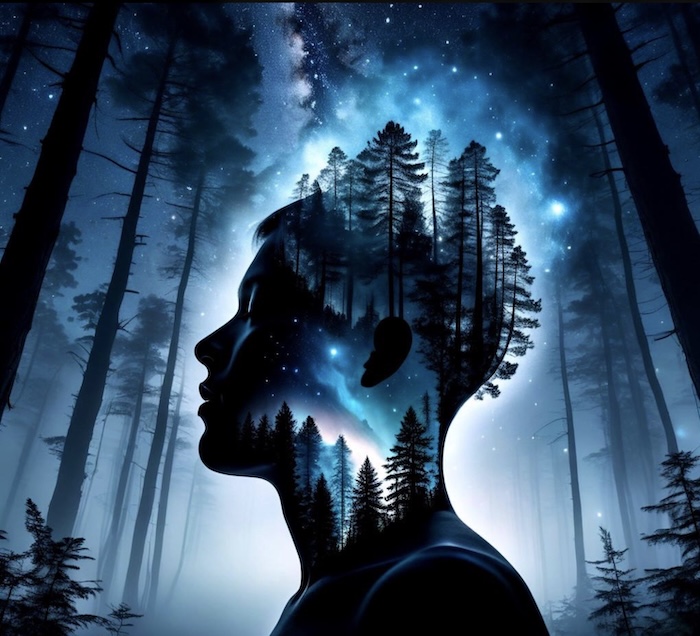
Given the extraordinary creative capacity of the human mind and our sense perception, it is hardly surprising that we are fascinated by every aspect of existence, both physical and non-physical. The extraordinary capacity of human mind – and by association, human consciousness – has not only enabled us to conceive of worlds and ‘realities’ beyond our immediate sense experience, but is has also to create technologies that, less than a century ago, would have belonged firmly within the realm of science fiction. As Yuval Harari in his book, ‘Sapiens: a brief history of humankind notes: “The truly unique trait of Sapiens is our ability to create and believe fiction. All other animals use their communication system to describe reality. We use our communication system to create new realities.
From the vastness of the cosmos to the mysterious depths of the atomic and subatomic world, by harnessing the power of the human mind, science has revealed realities of astonishing complexity and beauty. Black holes, quantum entanglement, dark matter, the DNA molecule and the emergence of life itself are all phenomena that can seem stranger than fiction. Yet despite their apparent mystery, no scientist of any credibility would invoke supernatural explanations for them.
The point to note is that the complex and unexplained nature of the cosmos and all matter in it, does not place them beyond nature. Rather, it invites a deeper understanding of nature and perhaps a humbler appreciation of our own limitations as human beings. Consider, for instance, an insect. One would expect it to know enough about its immediate environment to survive and thrive, but not to understand why, for example, a total solar eclipse occurs. In much the same way, despite the immense power of the human brain, there are aspects of the universe that lie beyond our capacity to comprehend, now or ever at all.
Science and mythology
The great cosmologist, Carl Sagan once said that main difference between science and mythology was their respective frames of thought. “Science thrives on doubt, while myth demands belief.” For millennia, the lack of scientific knowledge and technological tools to explain them, human societies around the world interpreted all kinds of natural phenomena, from total eclipses, to pandemics, as miraculous events or acts of God. The fact that the universe is governed by natural laws does not prevent people from being drawn to mystery and the supernatural. Our natural curiosity makes us feel there must be more to existence than can be measured, tested, or observed. When confronted with something extraordinary, our instinct is frequently to call it a miracle. Indeed, it is perhaps for this reason, from the beginnings of the written texts, human culture and memory is full of such mythological accounts.
Over time, countless phenomena once regarded as miraculous were eventually explained through greater knowledge. Disease and death, for example, was, and for many, continues to be understood as divine punishment or the work of evil spirits. Despite the fact that we have extremely precise and reliable natural, scientific explanations for most of the major human diseases and conditions,
This distinction is crucial. We often confuse miracles with phenomena that we do not yet understand. The fact that something appears mysterious does not necessarily make it supernatural. It may simply reflect the current limits of our knowledge.
The Sikh Vision of Nature
In many traditional religious philosophies, the Creator is viewed as separate from the creation, sitting remotely in an imaginary abode often called ‘Heaven’. Guru Nanak refutes this duality by establishing that God creates Nature (Kudrat) and then immanently resides within it. Divine reality is not distant; it is woven into the fabric of the universe. As the following lines in Sri Raag extol, ਕੁਦਰਤਿ ਕਰਿ ਕੈ ਵਸਿਆ ਸੋਇ ॥ ਵਖਤੁ ਵੀਚਾਰੇ ਸੁ ਬੰਦਾ ਹੋਇ ॥ Having created the natural world, the Divine Creator dwells within it. One who reflects upon their given time (life and breath) becomes a true servant of the Divine.
From the perspective of Sikhi, this distinction is especially important because the Sikh Gurus consistently direct our attention away from supernatural spectacle and towards the deeper wonder of existence itself.
In Asa Di Var, Guru Nanak presents a profound understanding of reality through the concept of Kudrat (ਕੁਦਰਤਿ), often translated as Nature, Creation, or Divine Power:
ਕੁਦਰਤਿ ਦਿਸੈ ਕੁਦਰਤਿ ਸੁਣੀਐ ਕੁਦਰਤਿ ਭਉ ਸੁਖ ਸਾਰੁ ॥ ਕੁਦਰਤਿ ਪਾਤਾਲੀ ਆਕਾਸੀ ਕੁਦਰਤਿ ਸਰਬ ਆਕਾਰੁ ॥ Through Kudrat we see, through Kudrat we hear; through Kudrat arise fear and the essence of happiness. In the nether regions, in the heavens, and in every form and shape, there is Kudrat. (SGGS, 464)
Here, Guru Nanak does not present nature as something separate from the Divine. Nor does he depict God as a distant being who occasionally intervenes in the world through miraculous acts. Rather, the entirety of existence is an expression of Divine creativity and power. Everything we experience is already immersed in Kudrat. Guru Nanak expands this vision further:
ਕੁਦਰਤਿ ਵੇਦ ਪੁਰਾਣ ਕਤੇਬਾ ਕੁਦਰਤਿ ਸਰਬ ਵੀਚਾਰੁ ॥ ਕੁਦਰਤਿ ਖਾਣਾ ਪੀਣਾ ਪੈਨ੍ਹਣੁ ਕੁਦਰਤਿ ਸਰਬ ਪਿਆਰੁ ॥ Even our scriptures, thoughts, relationships, eating, drinking, and loving are part of Kudrat. In short, nothing exists outside of Nature. The physical universe, human consciousness, morality, love, suffering, birth, death, stars, oceans, forests, and galaxies all arise within a single interconnected reality.
This is an astonishingly holistic worldview. Nature is not merely the backdrop against which spiritual life unfolds. Nature itself is the unfolding reality of existence. Indeed, Nanak builds on this understanding, emphasising that the Creator or the Divine timeless, limitless entity ੴ (Ik Onkar) is not separate from creation; nature is ultimate expression of the Divine.
As Guru Nanak affirms, ਇਹੁ ਜਗੁ ਸਚੈ ਕੀ ਹੈ ਕੋਠੜੀ ਸਚੇ ਕਾ ਵਿਚਿ ਵਾਸੁ ॥ This world is the abode of the True One, and within it resides the Divine. From this perspective, every leaf, stream, mountain, star, and living creature becomes a manifestation of a deeper sacred reality. Nature is not something from which we escape in pursuit of God. Nature is where we encounter God. The universe itself becomes a sanctuary. Moreover, because the physical world is the chamber of the Divine, human life is meant to be lived actively, mindfully, and righteously within society, rather than by retreating from it.
The Real Miracle
In offering a rational and in some senses a material understanding of the Divine, Guru Nanak is directing our attention away from the supernatural towards existence itself. The bird that glides effortlessly on invisible currents of air. The seed that breaks open and becomes a tree. The caterpillar that magically transforms into a beautiful butterfly, The migration of whales across vast oceans. The transformation of stardust into conscious beings capable of love, reflection, creativity, and self-awareness. These are not interruptions of nature; they are the most wondrous beyond measure manifestations of the Divine in Nature.
Modern science has revealed that every living organism is connected through a vast evolutionary history stretching back billions of years. Every atom in our bodies was forged within ancient stars. Every breath we take depends upon countless interconnected biological and ecological systems operating across the planet. Far from diminishing wonder and love for the Divine in nature, such knowledge deepens it.
The more we learn about the universe, the more extraordinary it appears. The concept of Kudrat invites us to recover our capacity for wonder and creativity without abandoning reason. It offers a spirituality rooted not in superstition but in attentiveness to reality itself. It encourages reverence and spirituality without requiring us to suspend critical thought.
The fact that we cannot explain something today does not make it a miracle. It may simply indicate that our understanding is incomplete. Indeed, if one accepts the teaching of Gurbani that everything exists within Kudrat, then the very idea of the supernatural becomes problematic. By definition, nothing can exist outside of Kudrat because Kudrat itself is the manifestation of Divine presence. All phenomena must therefore exist within the scope of natural reality, whether or not we currently understand the mechanisms involved.
Conclusion
The belief in miracles is a uniquely human phenomenon, rooted in our remarkable capacity for language, memory, imagination, and storytelling. As self-aware beings, we possess the ability to reflect on our own existence and to ask profound questions about the nature of reality, purpose, and meaning. Yet there remains a significant difference between awe at the mysteries of existence and belief in supernatural interventions that supposedly suspend the laws of nature.
We should all stand in wonder before the true miracle that surrounds us: the natural world, the universe itself, and the unimaginable complexity of life and creation. This understanding is far removed from the popular notion of miracles as events that violate the ordinary workings of the laws of nature. Such claims are often no more than the tricks of illusionists or the assertions of self-appointed holy men. At best, they serve to reinforce religious authority; at worst, they are used to deceive, manipulate, and exploit vulnerable people seeking hope, meaning, or certainty.
The Sikh path does not require us to choose between reason and wonder. In his sublime Arti (Gagan Mai Thaal), Guru Nanak redirects attention away from supernatural spectacle and towards the grandeur of existence itself. The sky becomes the salver, the sun and moon the lamps, and the stars pearls scattered across the heavens. For Guru Nanak, the sacred is not found beyond nature but revealed through it. The more deeply we contemplate and investigate reality, whether through reflection, observation, or scientific enquiry, the more extraordinary it appears.
The greatest miracle, therefore, is not the suspension of nature’s laws but their very existence. It is the astonishing order, beauty, complexity, and interconnectedness of a universe that continually evokes awe, gratitude, and reverence. There can be no greater miracle than this.

Gurnam Singh is an academic activist dedicated to human rights, liberty, equality, social and environmental justice. He is a Professor of Sociology at University of Warwick, UK. He can be contacted at Gurnam.singh.1@warwick.ac.uk
* This is the opinion of the writer and does not necessarily represent the views of Asia Samachar.
Join the conversation on this story on Asia Samachar’s Facebook and Instagram pages.
RELATED STORY:
Super Intelligence: AI, Ego and the Future of Humanity (Asia Samachar, 24 Sept 2026)
ASIA SAMACHAR is an online newspaper for Sikhs / Punjabis in Southeast Asia and beyond. You can leave your comments at our website, Facebook, Twitter, and Instagram. We will delete comments we deem offensive or potentially libelous. You can reach us via WhatsApp +6017-335-1399 or email: asia.samachar@gmail.com. For obituary announcements, click here