






















By Mohan Singh Rendhawa | Opinion |
In Part 1, we ended with an advice shared by a dear friend: “Sikhs are encouraged to live as householders. We are not expected to withdraw from the world to attain Jivan Mukti. We engage with family and society but remain anchored in Naam. The challenge is not to escape life but to live it so skillfully that the Divine becomes evident in our thoughts, words and action.”
Let us look at what are the qualities a Jivan Mukt. Here are some of outward signs of a Jivan Mukt. But first Ego has to be put under control. Ego is the main obstacle in the path of achieving Anand.
Ego Has Been Eradicated (Guru Amar Das Ji)
ਸਤਿਗੁਰੁ ਸੇਵਹਿ ਆਪੁ ਗਵਾਇ ॥
“They serve the True Guru and erase self-conceit.” (SGGS, 1262)
Qualities of a Jivan Mukt:
- Is not bothered by disrespect and endures cruel words.
- Treats others with respect regardless of how others treat him.
- When confronted by an angry person does not return anger, instead replies with soft and kind words.
- Does not crave for kind words or expect praise from others for his good deeds.
- Is like the Sun. Does not see any difference in skin color, race, gender, caste and financial status of individuals. Treats all the same. Even treats a bagger with respect.
- Practices sarbat da bhala. He never injures or harms any living being intentionally.
- Is as comfortable being alone as in the presence of others.
- Is in constant search of Gian that is knowledge to become a Giani, a knowledgeable person.
- Develops a personal mission to develop the qualities of a Bhram Giani as per Aspadi 8 of Sukhmani Sahib.
What are the Key Qualities of the Brahm Giani (Ashtpadi 8)
- Unattached & Unstained: Remains detached from worldly illusions like a lotus flower floating in muddy and dirty water, and yet unstained.
- Is like the Sun: Is like the sun that shines warmth equally on all at the same intensity.
- Impartial & Equal Vision: Looks upon friend and foe alike; treats the king and the poor beggar with the same breeze and grace.
- Steady Patience: Possesses deep, unshakeable patience like the earth, which remains steady whether it is dug up or anointed with sandal paste.
- Pure & Humble: Pure like water that cannot be polluted by filth, and carries deep humility within, considering him the most humble despite being spiritually elevated.
- Divine Union: The Braham Giani is seen as a manifestation of divine consciousness, transcending dualities (such as pleasure and pain, or praise and blame) and merging his identity with the Formless Creator (Nirankar)
It takes a great deal of self control and anger management for a normal human to achieve the competencies of what is required by Aspadi 8 of Sukhmani Shaib. There is a constant fight for survival in this crowded world. But if we keep in mind that we are an element of the divine. “Mun to jot saroop hai apna mul pachan” we can become more confident in our efforts.
Individuals with a very strong sense of self and a huge I are easily angered, loose their temper over small things and become worried and anxious. To such people their reputation is very important and they fear it being affected or tarnished. Such people find it very hard to say I am so sorry if they make a mistake. They argue to prove themselves right.
On the other hand humans cannot completely get rid of Ego because as an individual we need to have a sense of self worth, a sense of self pride and dignity plus self respect to live on planet earth. But we must not allow it to grow out of proportion. We need to learn to be humble and allow the qualities of Aspati 8 be part of our lives. Ego is very dangerous emotion as stated in Asa Di Vaar.
Guru Amar Das Ji provides a compelling answer:
ਹਉਮੈ ਦੀਰਘ ਰੋਗੁ ਹੈ ਦਾਰੂ ਭੀ ਇਸੁ ਮਾਹਿ ॥
Houmai Dheeragh Rog Hai Dhaaroo Bhee Eis Maahi ||
“Ego is a chronic disease, but it contains its own cure as well.” (SGGS, 466)
Some elevated individuals advise that our Gurus encouraged seva as a means of humbling one self. We can see individuals cleaning the shoes of the sangat in Gurdwaras. Seva is not confined to the Gurdwara compound alone . It can be done anywhere where help is needed and we are in a position to provide the help. But seva can also be counterproductive if after doing the seva we broadcast it on social media for praise.
Gurbani advises us to also be detach from our material processions. We need to develop a mindset that these items are given for our temporary use. In case of a loss we should be able to handle the situation in a calm and controlled manner. A good friend has found a way to remember this temporary nature of what we have. All his vehicle registration bears the 1313 number. In Panjabi, it translates to tera, tera – all is yours. This is a creative way of getting reminded that what we own today is not permanent.
The friend also follows Bhagat Kabir’s advise from SGGS as below. All you have given me is for my temporary use. We can all follow his example and bring our Ego down by creating a mindset that what everything I have is temporary and on loan. I have to give it back one day. Yes, even our body is not ours. It is for temporary use only. Our spouses, our children and all our relations are on temporary lease. The problem is we do not know when the lease expires. When they will depart from us suddenly. I see such parting after a lease expiry as a graduation from Earth School. Tough to accept the parting but His hukam must prevail.
This Shabad below is one tool we can use to advance our knowledge of SGGS. The wisdom gained from this Shabad can help control our Ego if can accept and apply this wisdom in our lives.
ਮੇਰਾ ਮੁਝ ਮਹਿ ਕਿਛੁ ਨਹੀ ਜੋ ਕਿਛੁ ਹੈ ਸੋ ਤੇਰਾ ॥
Mera mujh meh kichh nahī, jo kichh hai so terā.
Nothing within me is mine; whatever there is, belongs to You.
The complete shabad line continues:
ਤੇਰਾ ਤੁਝ ਕਉ ਸਉਪਤੇ ਕਿਆ ਲਾਗੈ ਮੇਰਾ ॥
Terā tujh kau saupate, kiā lāgai merā.
In summary, it means returning to you what already belongs to you, what can I claim as mine? My body is not mine. My Intellect is not mine, my talents are not mine, and my wealth is not mine.
There is a very beautiful rendering of this shabad by Bhai Gopal Singh Ragi. Listen, enjoy and study the meaning of this shabad. If you can apply it in your life it will help your journey to attain Jivan Mukti. Till we meet again, work on your EGO, the main stumbling block to achieving Anand.
Join the conversation on this story on Asia Samachar’s Facebook and Instagram pages.
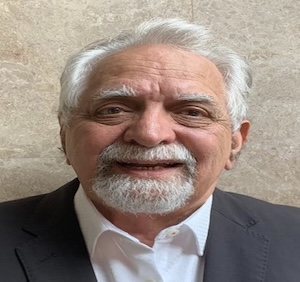
Author: Lt. Col. (Rtd.) Dr Mohan Singh Rendhawa is a Fellow Institute of Personnel & Development UK and also a Fellow of the Institute of Public Relations Malaysia. He served the RMAF for 27 years and has been a corporate trainer for 28 years after he took his early retirement from the RMAF. The views of this article are the personal opinions of the writer.
RELATED STORY:
Sikh Youth Challenges: High divorce rate, tough finding partners (Asia Samachar,23 June 2024)
ASIA SAMACHAR is an online newspaper for Sikhs / Punjabis in Southeast Asia and beyond. You can leave your comments at our website, Facebook, Twitter, and Instagram. We will delete comments we deem offensive or potentially libelous. You can reach us via WhatsApp +6017-335-1399 or email: asia.samachar@gmail.com. For obituary announcements, click here