



















By Asia Samachar | Singapore |
Don’t let burnout from work get the better of you. Be mindful and be alert, says a Singapore-based mental health advocate.
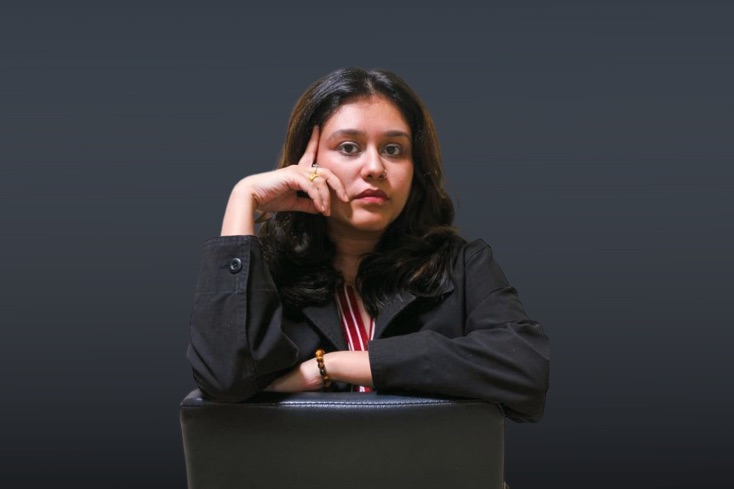
“Initially, I didn’t even realise I was experiencing burnout – it felt normal to be stressed out in a fast-paced industry such as the one I was in,” Sonia Priscilla Paul Lourdes told Asia Samachar in a recent interview. She has more to say on this topic in her response.
Sonia works as a digital marketing manager and freelance writer.
Her interest in mental health advocacy comes from personal experiences, as well as her observations of the lack of mental health awareness within various communities. Working in a non-profit organisation also opened my eyes to the struggles of families and children when it comes to mental health awareness, especially within the South Asian community.
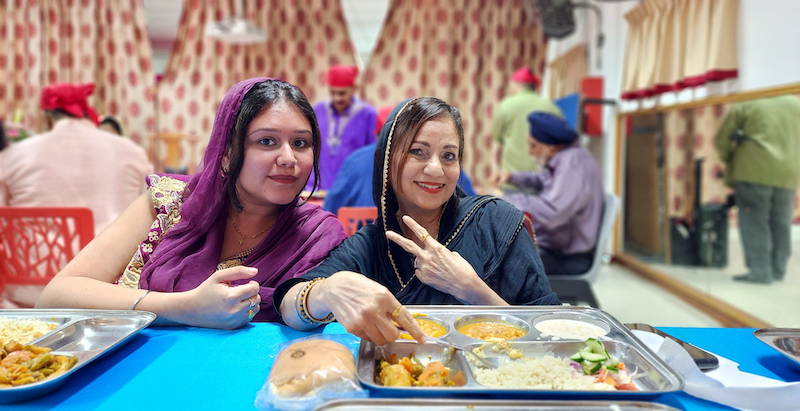
The 31-year-old comes from a mixed parentage. Her mother Baivinder Kaur (Cindy) is of Punjabi-Sikh descent while her father Paul Nelson Lourdes is of Portuguese-Indian descent and a Roman Catholic. They were both born and raised in Singapore.
“While I was born and baptised as a Roman Catholic, my upbringing was influenced by both the Catholic and Sikh religions due to my family’s background. I have always leaned towards the latter and developed a deep passion for the Sikh religion,” she said.
“Ultimately, I believe in being a good human being, treating others with kindness and compassion, and living a life of purpose and meaning,” she added.
Sonia has a Bachelor of Arts (Honours) Mass Communication with Public Relations awarded by Northumbria University (Newcastle, UK). Sonia has also completed the Certification of World Religions Through Their Scriptures: Sikhism awarded by HarvardX.
BURNOUT
Sonia, you spoke about burnout at work in your interview with the ST. Do tell us what happened back then?
In my recent interview with the Straits Times, I shared my experience of burnout while working in a high-pressure corporate job. The long hours, constant deadlines, and demanding workload eventually took a toll on my mental health, and I found myself struggling to cope with the stress and anxiety. It didn’t help that verbal, emotional, and mental abuse were common in the industry especially among women who felt the need to compete against each other. It clearly wasn’t okay, and what I was feeling was actually mentally and emotionally draining me out, but I thought I had to endure it because it was normal.
There were no boundaries, and at that time, I felt obligated to respond to work-related messages at all hours of the day, even on vacation. The burnout came in waves, which led me to hate my work and avoid my colleagues. It was a wake-up call for me to prioritise my mental health and learn to set boundaries.
How did you cope with the burnout?
Initially, I didn’t even realise I was experiencing burnout – it felt normal to be stressed out in a fast-paced industry such as the one I was in. It was only when I started showing physical symptoms of feeling demoralised, having low energy, a loss of appetite, and various other symptoms, I realised I needed to make some changes.
It was when a close friend pointed out that I may be suffering from it, I did some research and realised he was right. I began to adopt self-care practices such as trekking, taking walks to the beach, and practicing meditation. Additionally, I made several lifestyle changes like prioritising sleep, practicing mindfulness, and setting healthy boundaries. These changes helped me recover, and return to work with a new perspective and approach to managing stress. Through my experience, I have also come to understand the importance of acknowledging and addressing stress, which is often seen as a taboo topic.
What are the important lessons you learnt from the burnout incident?
The most important lesson I learned from my burnout experience is the importance of prioritising mental health. I realised that I had to take care of myself first before I could take care of others or my work. I also learned that it’s okay to ask for help and that it wasn’t a sign of weakness. Another important lesson was that work-life balance is essential for overall well-being, and when one feels that they are at their mental capacity, it’s important to voice it out.
MENTAL HEALTH
Tell us more about your mental health advoccy.
I consider myself a self-proclaimed mental health advocate, and I actively attend talks and engage in discussions to promote mental health awareness. Being self-aware and willing to talk about mental health without fear of judgement is crucial in breaking down the stigma surrounding it. Although I am not a certified counsellor or therapist, I am looking for organisations to collaborate with and volunteer my services to further spread awareness. My ultimate goal is to eliminate the stigma of mental health, especially within the South Asian community, and to let people know that it’s okay not to be okay. I have gained insight into the struggles of families and children dealing with mental health through my work experience, particularly within the South Asian community. We must work together to eradicate this stigma and promote a culture of openness and understanding around mental health. I also hope to remove the stigma surrounding mental health and spread awareness by actively attending talks and speaking to people about the importance of mental health.
When it comes to mental health, what are the most common challenges faced by the people you deal with?
From my experience, the most common challenge faced by people with mental health issues is the stigma surrounding mental health in many communities. It can be difficult to open up and seek help due to the fear of being judged or misunderstood. Additionally, accessing affordable and culturally appropriate mental health services can also be a challenge. There is still a lot of work to be done to improve access and support for those struggling with mental health issues.
How can community organisations help?
Community organisations can play a vital role in promoting mental health awareness and reducing stigma. They can organise events and programs to educate people about mental health, provide resources and support for those in need, and create safe spaces for people to talk about their experiences. They can also work with local health providers to ensure that culturally appropriate mental health services are available and accessible to everyone who needs them. As we are in a digital age, it’s important to have a strong digital presence to spread awareness and inform anyone and everyone that they are not alone.
Anything else you would like to add?
I want to emphasise that mental health is just as important as physical health, and it’s okay not to be okay. It’s important for everyone to take care of their mental health and seek help when they need it. As a mental health advocate, I believe that breaking the stigma surrounding mental health is crucial to creating a more supportive and compassionate community. I hope that my story and experiences can help inspire others to speak up about mental health and work towards creating a more inclusive and supportive society.
RELATED STORY:
New mental health curriculum aims to empower British Punjabi men (Asia Samachar, 10 Oct 2023)
ASIA SAMACHAR is an online newspaper for Sikhs / Punjabis in Southeast Asia and beyond. When you leave a comment at the bottom of this article, it takes time to appear as it is moderated by human being. Unless it is offensive or libelous, it should appear. You can also comment at Facebook, Twitter, and Instagram. You can reach us via WhatsApp +6017-335-1399 or email: asia.samachar@gmail.com. For obituary announcements, click here.