



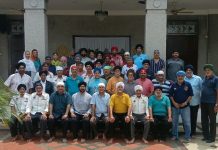


















By Anas Zubedy | Malaysia |
Introduction
Sikhism is one of the youngest major religions in the world. Its core philosophy teaches that there is One God, that all human beings are equal, and that we should lead honest lives dedicated to the service of others.
In Malaysia, the Sikh community is often recognized by their distinctive turbans, their disciplined nature, and a profound sense of service. Whether as teachers, police officers, neighbors, or friends, Sikhs have quietly and consistently contributed to the building of our nation.
Brief History
Sikhism began in the 15th century in the Punjab region of South Asia. It was founded by Guru Nanak, who lived during an era where society was deeply fractured by religion, caste, and social status.
- The Message of Guru Nanak: He travelled widely, meeting people from different backgrounds, teaching that there is only One God and that all people are equal, regardless of religion, race, or social standing. He rejected empty rituals and emphasised living a truthful and honest life.
- The Lineage: After him, nine more Gurus continued his teachings.
- The Khalsa: The tenth Guru, Guru Gobind Singh, established the Khalsa—a community committed to courage, discipline, and equality.
- The Eternal Guide: He also declared that the holy scripture, the Guru Granth Sahib, would be the eternal guide for Sikhs.
Core Beliefs
Sikhism is built on a few clear and powerful ideas:
- There is One God who is for all people.
- All human beings are equal.
- Live an honest life and earn through hard work.
- Share with others, especially those in need.
- Remember God in daily life.
- Reject injustice and stand up for what is right.
Practices & Rituals
Sikhs live their faith through action:
- Prayer: They pray and remember God daily.
- Worship: They gather at the Gurdwara (place of worship).
- Scripture: They read from the Guru Granth Sahib.
- Seva: They practise seva, which means selfless service.
- The Langar: One of the most beautiful practices is the langar, a free kitchen in every gurdwara where anyone can come and eat, regardless of race, religion, or status.
Sikhs also follow important life practices such as naming ceremonies, marriage rites, and funeral prayers, all guided by their teachings.
Festivals & Celebrations
The most important Sikh festival is Vaisakhi.
- Vaisakhi marks the founding of the Khalsa by Guru Gobind Singh in 1699. It is a day of courage, commitment, and identity. Sikhs gather at gurdwaras, pray, share meals, and celebrate together.
- Gurpurabs: Other important occasions include birth anniversaries of the Gurus, especially Guru Nanak’s birthday.
In Malaysia, these celebrations are often open and welcoming, where people from all backgrounds are invited.
Values We Can Learn
There is much we can learn from the Sikh community to strengthen our nation:
- Stand for justice, even when it is difficult.
- Treat everyone as equal.
- Be disciplined in life.
- Work hard and earn honestly.
- Serve others without expecting anything in return.
- Be brave, but also humble.
Cultural Expressions
Sikh culture is rich and distinctive:
- The Turban: Represents dignity, responsibility, and identity.
- Traditional Attire: Reflects modesty and discipline.
- Music (Kirtan): An important part of worship.
- Food: Plays a central role, especially in langar.
The Sikh identity is not just about belief, but about living those beliefs openly and consistently.
Misunderstandings & Clarifications
Understanding these points helps us respect one another better:
- Distinct Faith: Sikhism is a distinct religion with its own teachings; it is not a branch of another faith.
- The Turban: It is a symbol of honour, equality, and commitment.
- Hair: Sikhs do not cut their hair as part of their discipline and identity.
Dos and Don’ts When Visiting or Meeting Sikhs
Meeting a Sikh:
- A common greeting is “Sat Sri Akal,” which means “Truth is eternal.”
- A simple smile and handshake are also acceptable.
- Do not touch a Sikh’s turban.
Visiting a Gurdwara:
- Remove your shoes before entering and cover your head as a sign of respect.
- Dress modestly and maintain cleanliness.
- Remain calm and respectful; you may bow or stand quietly when the Guru Granth Sahib is present.
- Sit respectfully and avoid pointing your feet towards the Guru Granth Sahib.
- Do not bring alcohol or cigarettes into the gurdwara.
During Langar:
- Sit together with others regardless of background.
- Accept the food served and avoid wasting it.
- Ik Onkar: Remember that the central expression of Sikhism is Ik Onkar –“There is One God” – reflecting unity and oneness.
Sikhism in Malaysia
Sikhs arrived in Malaya during the British period, serving with distinction in the police and military. They were known for their reliability and courage.
- Today: Malaysian Sikhs serve in law, education, business, and public service.
- Contribution: They have contributed significantly to nation-building, maintaining law, order, and public trust through their strong traditions of service.
Interesting Facts
- Guru Nanak worked as an accountant before beginning his mission.
- He travelled thousands of kilometres to spread his message.
- His close companion was Bhai Mardana, a Muslim Sufi musician who played the rabab while Guru Nanak sang.
- Sikhism rejects caste and social hierarchy.
- The langar system feeds millions of people around the world daily.
Voices from the Tradition (Guru Granth Sahib)
- “Earn by honest work and share with others.” (Ang 1245)
- “Truth is high, but higher still is truthful living.” (Ang 62)
- “No one is my enemy, no one is a stranger.” (Ang 1299)
- “By egotism all are corrupted; through humility, one is saved.” (Ang 466)
- “Make good deeds your body, and faith your support.” (Ang 4)
- “Let self-control be your furnace, and patience your goldsmith.” (Ang 8)
10 Beautiful Things We Can Say About Them
- They stand up for what is right.
- They treat everyone as equal.
- They are highly disciplined.
- They value honest labor.
- They feed the hungry through langar.
- They protect the weak.
- They serve the community quietly.
- They are proud of their identity.
- They are incredibly welcoming.
- They remind us that humanity is one.
Moving Forward Together
We hope that this brief look at Sikhism helps Malaysians to better know, understand, and appreciate one another. When we take the time to learn from each other’s traditions and values, we move closer as a people. And when we move closer, we become stronger as one nation.
Peace, anas
* Note – Beginning this Vaisakhi, we launch Many Lamps, One Light — a project dedicated to sharing the beauty of our different religious traditions. By learning about one another, we hope Malaysians will grow in understanding, appreciation, and unity as one people.
(THE ARTICLE IS REPRODUCED HERE WITH PERMISSION. CLICK HERE FOR THE ORIGINAL ENTRY)
Join the conversation on this story on Asia Samachar’s Facebook and Instagram pages.
RELATED STORY:
Unity advocate Zubedy spots Sikh lecturer who taught Malay language teachers (Asia Samachar, 1 May 2022)
ASIA SAMACHAR is an online newspaper for Sikhs / Punjabis in Southeast Asia and beyond. You can leave your comments at our website, Facebook, Twitter, and Instagram. We will delete comments we deem offensive or potentially libelous. You can reach us via WhatsApp +6017-335-1399 or email: asia.samachar@gmail.com. For obituary announcements, click here