




















By Dr. Charanjit Kaur | Opinion |
The global LGBTQ movement has made notable strides in advancing equality and recognition. In liberal democracies, individuals of diverse sexual orientations now enjoy rights and protections that allow them to live authentically. Asian nations such as Taiwan, Nepal, and most recently Thailand, have embraced this momentum by legalizing same-sex unions, demonstrating growing regional acceptance of sexual diversity. These changes affirm not only the right to choose one’s life partner but also mark crucial progress toward family and parenting rights for LGBTQ individuals.
However, for LGBTQ persons from conservative, religious, or ethnic minority backgrounds, these freedoms are often limited by community norms and cultural expectations. In Malaysia, a country with deep-rooted traditional values, sexual diversity remains highly sensitive. Despite its multicultural and multi-religious landscape, public discourse around LGBTQ issues is frequently shaped by religious conservatism and legal restrictions. This environment presents a unique challenge for non-Muslim minorities like the Sikhs, whose cultural and spiritual values often intersect in complex ways.
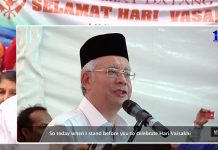
The state’s stance on LGBTQ rights reinforces these challenges. In 2015, former Prime Minister Najib Razak equated the LGBTQ community to ISIS, declaring both as threats to Islam. While Islamic authorities remain openly hostile toward non-heteronormative identities, the Malaysian Consultative Council of Buddhism, Christianity, Hinduism, Sikhism, and Taoism (MCCBCHST) has remained passive, condemning violence against LGBTQ individuals but falling short of meaningful advocacy. In such a climate, sexual minorities within minority communities experience dual marginalization: excluded from mainstream society and silenced within their own communities.
PART 1: Understanding Malaysian Sikh parents’ perceptions of diverse sexual identities
PART 2: Young Sikhs, Old Beliefs: Changing Views on LGBT
The Sikh community, though relatively small in number, is not immune to this global reality. Understanding how Sikh parents and youth perceive diverse sexual identities is essential for unpacking the tension between religious values, cultural expectations, and individual rights.
This two-part article explores these perspectives through original research conducted between 2021 and 2022. Using parental acceptance-rejection theory as the foundation, the study employed a mixed-method approach through surveys and interviews across key Malaysian states with substantial Sikh populations. Urban living patterns in Pulau Pinang, Perak, Kuala Lumpur, Selangor, Negeri Sembilan, and Johor provided a window into evolving attitudes. The study focused on Sikh parents, both male and female, including those who wear the dastar and those who do not, ranging in age from 25 to over 60 and representing diverse educational backgrounds. For detailed information, please refer to the published article (Sikh parents’ perception on the practice of diverse sexual identities).
The Sikh religious tradition, rooted in the Guru Granth Sahib, emphasizes equality and the oneness of all beings. Yet, there is no direct mention of homosexuality in the scripture’s 1,430 pages. While the Sikh Rehat Maryada states that marriage is a union between a Sikh man and a Sikh woman, this silence in scripture leaves room for interpretation. Progressive voices cite the core Sikh principles of compassion, dignity, and non-discrimination to argue for inclusivity. However, for many Malaysian Sikhs especially parents, the lines between religion and culture are often blurred, resulting in interpretations shaped more by communal norms than by theological doctrine. Previous studies by the author show that this conflation is widespread, with individuals often referring to “religion” when they actually mean “culture”.
SEE: Same-Sex & Other Relationships: A Sikh View
Findings from the parental survey illustrate both awareness and ambivalence. While 91.6% of Sikh parents said they understood what LGBTQ stands for, only 1.7% had ever received any guidance on the matter from Sikh religious figures (gyanis). A staggering 80% reported that such topics were never discussed during sadh-sangat at the gurdwara. This silence suggests that most parents form their views through cultural conditioning rather than informed religious teachings. Despite this, a majority (94.9%) opposed any form of legal or religious punishment for non-heterosexuals, signaling a significant degree of compassion and human dignity among Sikh parents.

The moral framing of non-heterosexuality, however, remains contested. Nearly one-third (31%) of parents viewed it as a sin, while over half (56.9%) rejected that belief. Another 12.1% remained unsure. Most respondents had never encountered any scriptural references to LGBTQ themes, and nearly half (49%) disagreed with the idea that Sikh scriptures endorse only heterosexuality. When asked whether amritdhariscould identify as LGBTQ, responses were almost evenly split, highlighting the tension between religious orthodoxy and personal belief.
Awareness of LGBTQ existence within the Sikh community was also divided: 51.7% acknowledged it, while 36.6% remained uncertain. Significantly, 70% of parents believed that fear prevents Sikh LGBTQ individuals from being open about their identity, underscoring the emotional burden placed on individuals who must weigh authenticity against social acceptance and izzat (honour). Perhaps most tellingly, over half of the parents believed that being LGBTQ was either a temporary phase or something that could be changed. While only a small minority endorsed conversion through prayer or medical treatment, this lingering belief that sexual identity is alterable reflects deeper cultural discomfort with permanence in sexual diversity.
Taken together, the data reveals a community in quiet transition. While formal religious leadership remains largely silent on the issue, and cultural expectations remain strong, there is an undercurrent of empathy and emerging awareness among Sikh parents. Their views are neither wholly condemnatory nor entirely accepting but rest within a shifting spectrum that reflects both the pressures of tradition and the influence of modern, pluralistic values.
As the baton of leadership and identity moves to the next generation, a new set of questions emerges: How do Sikh youth raised in the same cultural and religious framework navigate their understanding of sexual diversity? Are they more open, more conflicted, or simply more silent than their parents?
In Part 2, we turn to the voices of Sikh youth to explore how they perceive, challenge, or internalize the evolving discourse on LGBTQ identities within their community.
Scholars, students, or individuals interested in contributing ideas or pursuing research on gender, identity, or the lived realities of Malaysian Sikhs are warmly invited to connect with the author at charanjit@utar.edu.my.
(VIEW COMMENTS AT ASIA SAMACHAR FACEBOOK AND INSTAGRAM)

Associate Professor Dr. Charanjit Kaur is an expert in cultural anthropology, with a special focus on the Sikh minority community in Malaysia. Her work explores themes such as religious-cultural conflict, gender identity, and social behavior.
RELATED STORY:
Sikh and gay, growing up in East Malaysia (Asia Samachar, 28 May 2023)
ASIA SAMACHAR is an online newspaper for Sikhs / Punjabis in Southeast Asia and beyond. You can leave your comments at our website, Facebook, Twitter, and Instagram. We will delete comments we deem offensive or potentially libelous. You can reach us via WhatsApp +6017-335-1399 or email: asia.samachar@gmail.com. For obituary announcements, click here