














UA-56202873-1
Page 142

What a law student picked up from Kuala Lumpur Sikhi and Sikh youth seminar

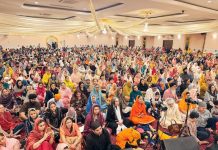
Some of the participants at the seminar entitled Sikhi & Sikh Youth in the 21st Century: Challenges and Prospects at APU, Kuala Lumpur on June 30, 2024

By Harsimren Kaur GillOpinion |

The seminar on “Sikhi & Sikh Youth in the 21st Century” provided a profound and multifaceted exploration of the challenges and opportunities faced by Sikh youth today. The event underscored the importance of evolving our spiritual practices, engaging with cultural heritage, and fostering a sense of community among the younger generation.

For me, the main takeaway from this event was gaining insight into the myriad challenges Sikh youth face in the 21st century. Events like this are essential as they provide opportunities for young people to connect and interact, allowing us to address these issues together. This experience has truly illuminated the importance of balancing tradition with modernity to ensure Sikh youth remain actively involved in our community. It has highlighted the need to adapt our approaches to make our cultural and religious practices more relevant and appealing to younger generations.

My immediate impression of the seminar was overwhelmingly positive. The event was impeccably organised, with a smooth flow from start to finish, ensuring an engaging experience for all attendees. As soon as I was handed the booklet, I was impressed by the diverse and esteemed panel of speakers, each bringing unique perspectives to contribute their insights to support and inspire the youth. The presentations were not only insightful but also deeply knowledgeable, offering fresh and relevant viewpoints on the challenges facing Sikh youth today.

The interactive Q&A sessions allowed for meaningful exchanges between the speakers and attendees, fostering a sense of community and shared purpose. Additionally, the networking opportunities provided a platform for like-minded individuals to connect and collaborate. Overall, the seminar left me feeling motivated and optimistic about the future of our youths. 

SPEAKERS

The event started off with the opening address by Parmjit Singh, the founder and CEO of APU University of Technology & Innovation. He emphasised that obtaining a degree and pursuing further qualifications is merely the beginning of one’s professional journey, not the end goal. While academic qualifications are important, they are not the sole determinants of professional success. The key to thriving in the professional world lies in continuous self-improvement, developing soft skills, and transforming oneself during the formative years of higher education.

TO VIEW SEMINAR PROCEEDINGS, CLICK HERE (Recording courtesy of LiveSikhs)

SEE ALSO: Sikh youth ponder over challenges, prospects in 21st century 

SEE ALSO: Do the youth care about Sikhi? New survey has some answers

As years progress, Parmjit observed, the emphasis on qualifications diminishes, with employers placing greater value on practical experience, personality traits, and soft skills. “Employers are increasingly interested in how you present yourself, your level of confidence, and your ability to communicate effectively,” he said. 

He further emphasised the transformative role of university or college, which serves as a bridge between school and the professional world. “This period is crucial for personal transformation,” Parmjit advised. Parmjit urged students to make the most of their university years. “Your progress in life is heavily influenced by what you do during these years,” he stressed. “The effort you invest in your personal and professional development will determine how much you gain.”

Moving on to Dr. Karminder Singh Dhillon’s presentation, “Sikhi in the 21st Century: Relevant?”, offered thought-provoking, critical, and stimulating ideas that challenged conventional beliefs. By distinguishing between religion and spirituality, he prompted the audience to reconsider long-held notions and re-examine their understanding of Sikhi.

In his discourse, Dr. Karminder drew a clear line between Sikhi as a spirituality and Sikhism as a religion, presenting them as distinct and sometimes contrasting concepts. This distinction forced many attendees to reassess their perspectives, recognising that a profound shift in thinking might be necessary. For those willing to undertake this journey, it involves a significant process of unlearning and relearning.

He emphasised that the illiteracy of our time is no longer defined by the inability to read or write but by the inability to unlearn falsehoods that have been ingrained over time. He underscored that unlearning is a powerful and transformative process. His insights were a call to action, urging individuals to challenge the status quo and embrace the often-difficult process of unlearning to reach a deeper, more authentic understanding of Sikhi. 

Dr. Karminder’s presentation was a profound and enlightening exploration of Sikhi in the modern age. His challenge to differentiate between spirituality and religion, and his emphasis on the necessity of unlearning, provided a fresh perspective that will undoubtedly inspire many to embark on a journey of personal and spiritual growth.

Up next, Jasswant Singh delivered an enlightening presentation on “Living as a Sikh in the 21st Century,” offering profound insights into how Sikhi and spirituality should evolve in our modern lives. He emphasised that our spiritual practices must grow and adapt with us, rather than remaining static and literal.

Mr. Jasswant stressed the importance of personally reading and understanding of the Gurbani, underscoring that this is a responsibility that cannot be outsourced to others. He reminded us that Sikhi transcends mere physical form; it encompasses our intellect and spirit. True Sikhs, he noted, are those who continuously learn and embody the virtues outlined in the Sri Guru Granth Sahib Ji.

These divine virtues, he highlighted, are essential for guiding us to become better human beings, make wiser decisions, and lead more fulfilling lives. The essence of Sikhi, he asserted, lies in bettering ourselves through the application of these virtues, which constitutes the true practice of Simran, or remembrance of the Satguru. 

Drawing parallels to professional life, he explained the concept of open-mindedness as being akin to Gurmukh (one oriented towards the Guru) and closed-mindedness to Manmukh (one oriented towards the self). He advocated for an open, inquisitive mindset that continuously seeks knowledge and growth.

Jasswant Singh’s presentation provided a compelling framework for living as a Sikh in the 21st century. By emphasizing the evolution of our spiritual practices, the personal responsibility of understanding Gurbani, and the importance of embodying divine virtues, he offered a roadmap for integrating Sikhi into our modern lives in a meaningful and dynamic way.

Prof Sarjit Singh Gill discussed on the topic of “Promoting Positive Value Development: The Role of Gurdwaras and NGOs,” emphasising that Gurdwaras and NGOs must work collectively to address social issues among Sikh youth. This collaboration is crucial in fostering a supportive environment where young Sikhs can thrive and develop positive values.

In today’s fast-paced and often challenging world, Sikh youth face numerous social issues, including identity struggles, cultural disconnection, and peer pressure. These challenges can lead to a sense of alienation and detachment from their cultural and religious roots. Gurdwaras, being the spiritual and cultural hubs of the Sikh community, play a pivotal role in providing guidance, support, and a sense of belonging. 

By working together, Gurdwaras and NGOs can create a robust support system that addresses the multifaceted needs of Sikh youth. This is essential for nurturing a generation that is not only proud of its heritage but also well-equipped to face the challenges of the modern world. It is a call to action for all community leaders and members to unite in their efforts to promote positive value development and ensure a bright future for the Sikh youth.

Personally, one thing I picked up at the seminar was the evolving roles of gurdwaras and NGOs in supporting youth. While I had always viewed gurdwaras primarily as places of spirituality, I learned that they also play a significant role in addressing the challenges faced by the youth. Gurdwaras are constantly organizing programs and events aimed at encouraging and empowering young people. For instance, annual events like the Holla Mahala have been staples for years, but now there is a shift towards more comprehensive initiatives that cater to the diverse needs of the youth.

It was enlightening to discover that gurdwaras are not just maintaining these traditions but are also proactively developing new programs to engage young people in meaningful ways. These initiatives include educational workshops, career counselling, and community service opportunities, all designed to equip the youth with the skills and knowledge they need to thrive.

The seminar also highlighted the importance of youth involvement in various organizations. These organizations provide a platform for young people to contribute their ideas and insights, fostering a sense of ownership and responsibility towards the community. By participating in these organizations, youth can influence the development of programs that directly benefit them and address their specific needs.

I believe it is now our responsibility to step forward, support, and actively participate in these wide-ranging initiatives. Embracing these opportunities not only enriches our personal growth but also strengthens our community. I’m inspired to see how gurdwaras and other organisations are evolving to meet the needs of today’s youth and am eager to contribute to these efforts.

Moving forward, Associate Professor Hardev Kaur discussed on “Dealing with Anxiety and Stress in 21st Century Living: My Life in the University and How I Coped” was both inspiring and profoundly relatable. Her candid sharing of personal experiences resonated deeply with many in the audience, as she navigated through the universal challenges faced by students today.

In her talk, she emphasised the ubiquitous nature of anxiety and stress in modern academic settings. The pressures of academic performance, social expectations, and the uncertainties about the future can often create a tumultuous environment for students. However, what made her narrative compelling was her openness about her struggles and the strategies she employed to overcome them.

One of the key aspects of her journey was her perseverance. Despite the daunting challenges, she remained steadfast in her efforts. Her dedication to her academic responsibilities was evident, and she shared that consistent hard work played a crucial role in her success.

Beyond academics, Hardev also touched upon the significance of a balanced lifestyle. She stressed the importance of taking breaks and finding hobbies that provide joy and relaxation. These activities helped her manage stress and maintain a positive outlook.

A pivotal part of her coping strategy was her faith. She spoke eloquently about the comfort and strength she derived from her belief in the Guru. She shared how, during moments of intense stress and uncertainty, she would turn to prayer and meditation. This spiritual practice provided her with a sense of peace and reassurance, allowing her to leave her worries to the Guru, trusting that He knows what is best for her.

In essence, Hardev’s story is a testament to the power of resilience, faith, and hard work. Her ability to balance the rigors of university life while maintaining her mental and emotional well-being is truly commendable. Her narrative serves as an inspiration to students, reminding them that while challenges are inevitable, they can be overcome with determination, support, and a strong belief in oneself and the guidance of the Guru.

It was inspiring to witness young speakers from various universities come up and share their perspectives on Sikh youth. The session began with a thesis presentation by my friend Amanpreet Kaur, founder and two-term president of the UPM Sikh Society. Her topic, ‘Exploring Sikh Youth Opinion on Gurdwara Sahib Petaling Jaya’s Role in Resolving Social Problems,’ offered eye-opening insights from youth with diverse backgrounds. Her presentation prompted critical thinking on addressing Sikh youth issues effectively.

Amanpreet’s comprehensive research highlighted the importance of Gurdwaras in addressing social issues and how they can adapt to better serve the younger generation. By gathering diverse opinions, she emphasized the need for Gurdwaras to become more inclusive and proactive in engaging with the youth. 

Following Amanpreet, Sharveen Kaur, President of APU’s Punjabi Cultural Society, shared her views and experiences along with the challenges she faced. Sharveen’s discussion highlighted the pressures faced by Sikh youth in adhering to traditional values while also striving to succeed in a competitive and often culturally diverse academic environment. Sharveen’s personal anecdotes about overcoming cultural stigmas and finding her voice as a leader in the Punjabi community were particularly inspiring.

Next was the presentation by Jessjeet Kaur, the new president of the Sikh Association of UPM. She enlighteningly emphasised the importance of language in the daily lives of Sikh youth. Jessjeet highlighted that most of us tend to speak in English rather than our mother tongue, Punjabi. She related this issue to three main factors: our parents, our environment, and ourselves. She pointed out that while we often blame our parents or the environment for the decline in Punjabi language use, it is ultimately up to us to take the initiative to speak Punjabi. This proactive approach is essential for ensuring that the language does not fade away and can be promoted for future generations.

Her emphasis on actively using Punjabi in daily life served as a poignant reminder of how language contributes to cultural preservation. I strongly believe that it is not sufficient to merely understand Punjabi; it is imperative to speak and integrate it into our everyday interactions. Therefore, it is essential to actively promote and practice our language within our communities. This includes encouraging conversations in Punjabi among peers.

NEED FOR COLLABORATION

Personally, I believe that more collaboration between representatives from different universities is essential. By coming together, we can pool our resources, share best practices, and develop comprehensive strategies to address the issues faced by Sikh youth. This united approach can lead to the creation of stronger support networks, more effective advocacy for cultural preservation, and promote sense of community among young Sikhs.

I truly appreciate the inclusion of the survey results that were shown at the back of the booklet handed out during the event. It provided a concrete foundation for the discussions and equipped participants with the knowledge needed to address the challenges faced by Sikh youth more effectively. This initiative was a commendable effort as it provided valuable insights into the specific challenges faced by the youth, and it allowed participants to view these problems in a more detailed and quantifiable manner. These results were meticulously compiled and presented in various graphs and charts, making the data easy to understand. 

The survey covered a wide range of topics relevant to Sikh youth, by breaking down the data into different categories, the booklet provided a comprehensive overview of the diverse opinions within the community.

It was truly gratifying to witness the bottled-up questions that the participants had for the speakers, which significantly contributed to the purpose and success of the event. The interactive Q&A session showcased the curiosity and eagerness of the attendees to delve deeper into the topics discussed. I am pleased to note that all the speakers managed to address most of the questions posed to them with great clarity and insight, ensuring that the audience’s concerns and curiosities were thoroughly addressed. This dynamic exchange of ideas not only enriched the discussions but also fostered a sense of community and mutual understanding among the participants.

The questions covered a wide range of topics, from cultural identity to practical strategies for increasing youth engagement in community activities. The speakers’ responses were both informative and inspiring, providing actionable advice and thoughtful reflections. This level of engagement highlighted the importance of creating platforms where the youth feel heard and valued.

Looking ahead, I am eagerly anticipating future events of this nature. It would be incredibly beneficial to have even more youth speakers come forward and share their perspectives. Hearing from a diverse range of voices within the community can enhance our understanding and approach to the challenges faced by Sikh youth. These young leaders can offer fresh insights and innovative solutions, helping to bridge the gap between generations and fostering a stronger, more cohesive community.

Encouraging more youth to participate as speakers will not only empower them but also inspire their peers to take an active role in community. It can create a ripple effect, motivating others to voice their opinions, share their experiences, and contribute to the collective growth and development of our community.

In conclusion, the event was a resounding success. The speakers’ adept handling of these queries further enriched the experience, making it a truly enlightening and engaging event. I am looking forward to more such seminars in the future, with even greater youth involvement and diverse perspectives that can drive meaningful change and foster a deeper connection within our community.

AUTHOR: Harsimren Kaur Gill, a first-year law student at the Universiti Malaya, attended the recent Kuala Lumpur seminar. She was also chosen to become a member of ADN Muda for the state of Selangor, akin to an elected youth representation to the state assembly.  ADN stands for Ahli Dewan Undangan Negeri or the State Assemblyman.

RELATED STORY:

Law student Harsimren takes baby steps into political engagement (Asia Samachar, 30 June 2024)

Students who extend themselves do well in careers, APU founder tells KL Sikhi seminar (Asia Samachar, 4 July 2024)

ASIA SAMACHAR is an online newspaper for Sikhs / Punjabis in Southeast Asia and beyond. You can leave your comments at our website, FacebookTwitter, and Instagram. We will delete comments we deem offensive or potentially libelous. You can reach us via WhatsApp +6017-335-1399 or email: asia.samachar@gmail.com. For obituary announcements, click here
Exhilarating field trip for Subang Panjabi students 

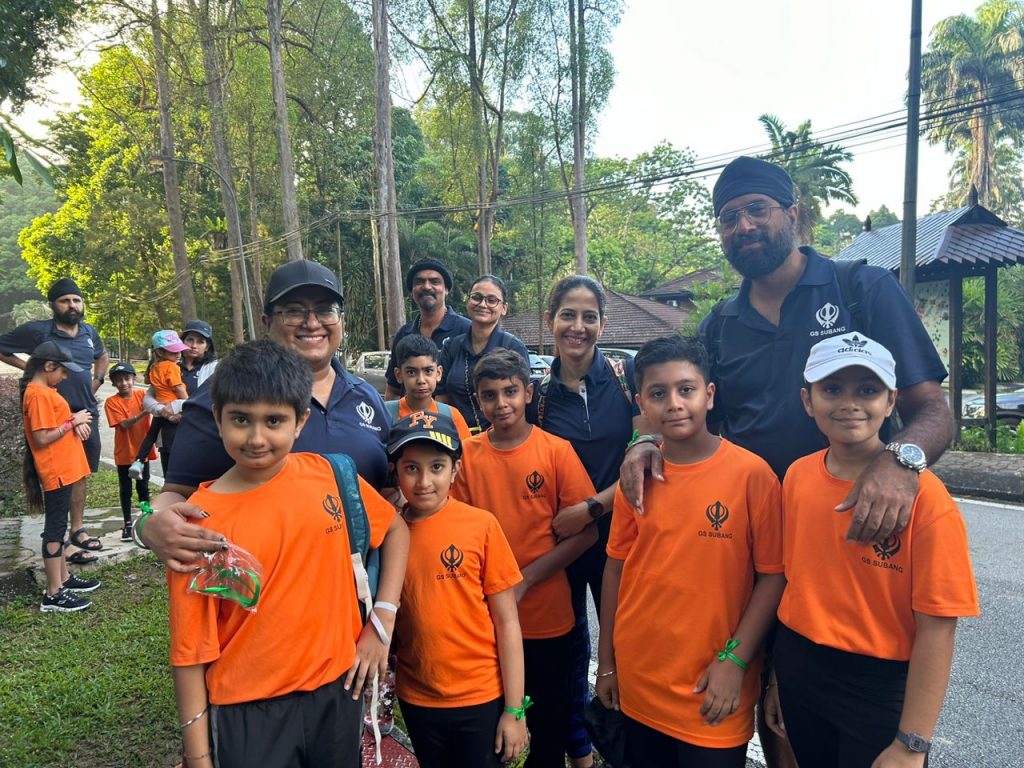
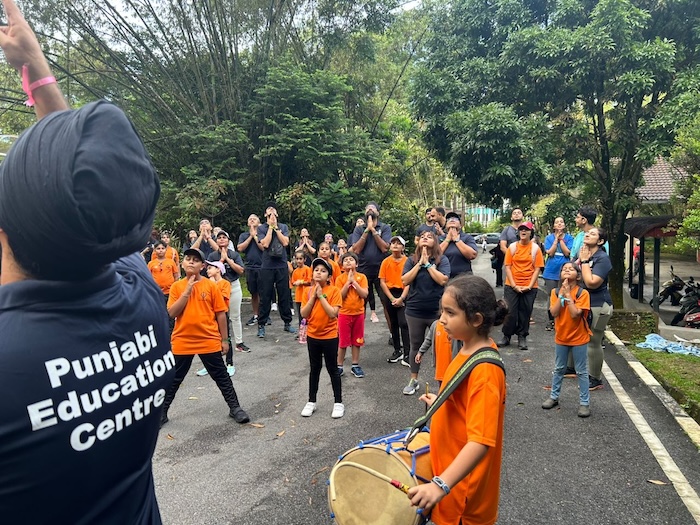
PEC Subang trip to Forest Research Institute Malaysia (FRIM) in Kepong, Kuala Lumpur on Jun 30, 2024 – Photo: PEC Subang

By Asia Samachar | Malaysia |

On Sundays, Subang gurdwara is usually a hive of activity, with more than 100 students attending the weekly Panjabi classes.

On June 30 (Sunday), instead of the usual classroom confines, the students of the Punjabi Education Centre (PEC) Subang embarked on an exhilarating educational journey to the Forest Research Institute Malaysia (FRIM) in Kepong, Kuala Lumpur. 

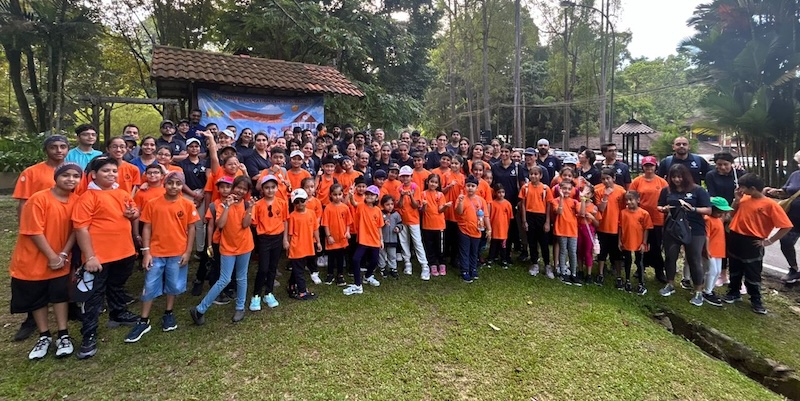
Under the guidance of Principal Phenji Amarjit Kaur, a total 118 students and parents, teachers and family members of the PEC Subang community embarked on the educational field trip.

Organised by the Parent Teacher Association (PTA) led by Sukhveer Singh, the field trip aimed to blend learning with adventure in the heart of nature.

The day kicked off with infectious energy as families, teachers, and students alike participated in a lively Bhangra Zumba session, accompanied by the pulsating beats of the dhol. This cultural infusion not only set the tone for the day but also united everyone in a spirit of enthusiasm and fellowship.

Following the energetic warm-up, the group was divided into smaller coloured teams, each led by an experienced guide for an immersive jungle trekking experience. 

However, this was no ordinary trek. It was an educational exploration for the young and old. Along the way, the guides provided insightful explanations about the diverse flora and fauna of the region and their origins, turning the trek into a comprehensive outdoor classroom. 

Students and adults were amazed at the wealth of knowledge shared, enhancing their understanding of Malaysia’s rich biodiversity.

After a brief break to recharge and reflection on lessons learned, the adventure continued with a thrilling treasure hunt. Drawing on the information obtained during the trek, teams eagerly navigated their way through the foliage, competing with one another to decipher clues and locate hidden treasures. This activity not only tested their knowledge but also fostered teamwork and problem-solving skills in an engaging outdoor setting.

As the day drew to a close, amidst laughter and shared stories of discovery, it was evident that this field trip had left a memorable mark on everyone involved. For the students of PEC Subang, it wasn’t just a day out; it was an opportunity to connect with nature, to learn beyond textbooks, and to create lasting memories with peers and enhancing family bond. 

PEC Subang trip to Forest Research Institute Malaysia (FRIM) in Kepong, Kuala Lumpur on Jun 30, 2024 – Photo: PEC Subang
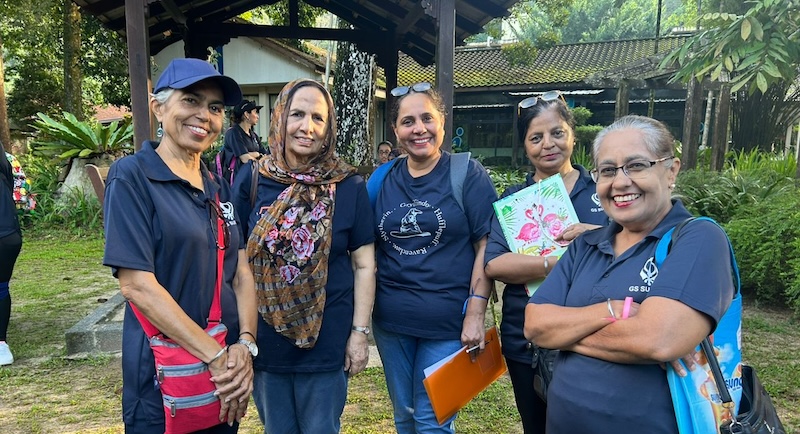
Amarjit Kaur (left) and her team at the PEC Subang on the trip to Forest Research Institute Malaysia (FRIM) in Kepong, Kuala Lumpur on Jun 30, 2024 – Photo: PEC Subang
PEC Subang trip to Forest Research Institute Malaysia (FRIM) in Kepong, Kuala Lumpur on Jun 30, 2024 – Photo: PEC Subang
RELATED STORY:

Sehat Saath-Saath: To a healthier Punjabi community! (Asia Samachar, 30 April 2024)

ASIA SAMACHAR is an online newspaper for Sikhs / Punjabis in Southeast Asia and beyond. You can leave your comments at our website, FacebookTwitter, and Instagram. We will delete comments we deem offensive or potentially libelous. You can reach us via WhatsApp +6017-335-1399 or email: asia.samachar@gmail.com. For obituary announcements, click here
Harchand Singh Gill Gurdial Singh (RF63651) (1955 – 2024)

HARCHAND SINGH GILL S/O LATE SARDAR GURDIAL SINGH of CHERAS, KL (Lehra Rohi)

Departed peacefully on Friday, 12th July 2024.

Wife: Late Harvinder Kaur d/o late Sardar Bir Singh (Wada Bhai Ka, Punjab)

Deeply missed by his beloved children, relatives, and friends.

Children / Spouses
Late Kuldeep Singh Gill
Jasmeet Kaur Gill / Ravindar Singh
Ameet Singh Gill / Jasmin Kaur
Dalbir Singh Gill

Grandson: Teshvinder Singh Sidhu

PATH DA BHOG: 27 JULY 2024 (Saturday)

9.30am to 11.30am
Gurdwara Nanak Darbar Tatt Khalsa, KL
(No 24, Jalan Raja Alang, 50300 Kuala Lumpur)
Guru ka Langgar will be served.

Contact:
Ameet Singh 011 – 2610 6365
Dalbir Singh 011 – 1698 7565

Waheguru Ji Ka Khalsa, Waheguru Ji Ki Fateh

Link to posting at Facebook and Instagram; Updated: Facebook and Instagram

| Entry: 12 July 2024; Updated: 21 July 2024 | Source: Family

ASIA SAMACHAR is an online newspaper for Sikhs / Punjabis in Southeast Asia and beyond. You can leave your comments at our website, FacebookTwitter, and Instagram. We will delete comments we deem offensive or potentially libelous. You can reach us via WhatsApp +6017-335-1399 or email: asia.samachar@gmail.com. For obituary announcements, click here
In Loving Memory: Lakhbir Singh Gill (PBS) (1956 – 2019), Retired Singapore Police Force Officer

5th Anniversary

LAKHBIR SINGH GILL

18 .9.1956 – 12.7.2019

Retired Singapore Police Force Officer

(Pind Sarli, Amritsar. Mount Emily, Singapore)

Wife: Srinder Kaur d/o Bhagwan Singh

Daughter & Son-in-Law: Dr Kiran Kaur Gill & Captain Suneel Singh Rekhraj

A humble Family-man who was a supportive husband and a Father par excellence who doted on his light of his life: his only child, Kiran.

Lakhbir is fondly remembered for having the loudest laugh in a room, his booming voice was unmistakable, and he was unapologetically genuine. Always ready to help the Sikh community in Singapore, he devoted alot of his time to Sewa post retirement. As a proud Police Officer he carried himself to high standards that he embodied lifelong.

It has been 5 years since he passed on but Lakhbir will eternally be remembered by loved ones.

Link to posting at Facebook and Instagram

| Entry: 12 July 2024 | Source: Family

ASIA SAMACHAR is an online newspaper for Sikhs / Punjabis in Southeast Asia and beyond. You can leave your comments at our website, FacebookTwitter, and Instagram. We will delete comments we deem offensive or potentially libelous. You can reach us via WhatsApp +6017-335-1399 or email: asia.samachar@gmail.com. For obituary announcements, click here
Mata Sukhdey Kaur (1940 – 2024), Bandar Baru Selayang

IN OUR HEARTS FOREVER

MATA SUKHDEY KAUR

11/12/1940 – 11/7/2024

Mata Ji will be greatly missed by her children, grandchildren, great grandchildren, relatives and friends.

Husband: Late Harbhajan Singh

Children / Spouses:
Sinda Kaur / Sukhvant Singh
Late Raj Kaur / Amar Singh
Late Hari Singh / Harjinder Kaur
Jagjit Singh / Sukhdev Kaur

Grandchildren:
Inderpal Kaur, Ishwinderjit Singh, Harpreet Singh, Harprem Singh, Anilprem Singh, Harinder Singh, Kasvin Kaur, Avtar Kaur, Daljeet Kaur

Great Grandchildren:
Fateh Singh and Kabir Singh

FUNERAL: 12 July 2024 (Friday)

Cortege departs from residence at 10.30am.
Add: No. 31, Jalan 2/20 A, Bandar Baru Selayang, 68100 Selangor
Saskaar (cremation) at Jalan Loke Yew crematorium, Kuala Lumpur at 12pm.

AKHAND PATH:

16/07/24 @ 9am till 18/07/24 @ 12pm at residence.

PATH DA BHOG:

20 July 2024, from 9.30am to 12pm, at Gurdwara Sahib Tatt Khalsa, Kuala Lumpur.

Contact:
Sukhvant Singh (son in-law): 019-3195382
Inderpal Kaur (granddaughter): 019-6648328

Link to posting at Facebook and Instagram

| Entry: 11 July 2024 | Source: Family

ASIA SAMACHAR is an online newspaper for Sikhs / Punjabis in Southeast Asia and beyond. You can leave your comments at our website, FacebookTwitter, and Instagram. We will delete comments we deem offensive or potentially libelous. You can reach us via WhatsApp +6017-335-1399 or email: asia.samachar@gmail.com. For obituary announcements, click here

Historic gathering! 11 Sikh MPs come together

0
11 Sikh MPs who won in UK’s 2024 general election

By Asia Samachar | Britain |

The UK Parliament saw history in the making when 11 Sikhs won as Members of Parliament (MPs) as the Labour Party formed the new government with a clear and commanding majority.

They were led by Preet Kaur Gill and Tanmanjeet Singh Dhesi who are returning to the house for the third time.

“In true Sikh ethos, look forward to serving everyone – regardless of background, or gender, or colour, or creed,” said Tan Dhesi, as he’s known, in a social media update, along with a group photo.

Sharing the same photo, Preet said it was brilliant to see a record level of Sikh representation in Parliament.

“It was the privilege of my life to be the first Sikh woman elected to UK Parliament. Congratulations to all my new Labour colleagues – I look forward to working together,” she added.

In his note, first-time MP Jas Athwal said: “Such an honour to stand shoulder to shoulder with such a talented group of Sikh Labour MPs….Making history as part of the most diverse government parliament has ever seen.”

Aside from Preet, four other Sikh women MPs were Satvir Kaur (Southampton Test), Harpreet Kaur Uppal (Huddersfield), Sonia Kaur Kumar (Dudley) and Kirith Ahluwalia Entwistle (Bolton North East).

The other Sikh candidates who will serve as MPs under Prime Minister Keir Starmer are Gurinder Singh Josan (Smethwick), Warinder Singh Juss (Wolverhampton West), Dr Jeevun Sandher (Loughborough) and Baggy Shanker @ Bhagat Singh Shanker (Derby South), all first-time MPs as well.

Top, Left to right: Preet Kaur Gill (Birmingham Edgbaston), Tanmanjeet Singh Dhesi (Slough), Baggy Shanker (Derby South), Gurinder Singh Josan (Smethwick), Dr Jeevun Sandher (Loughborough), Warinder Singh Juss (Wolverhampton West) and Jas Athwal (Ilford South). Bottom, right to left: Sonia Kaur Kumar (Dudley), Harpreet Kaur Uppal (Huddersfield), Kirith Ahluwalia Entwistle (Bolton North East), Satvir Kaur (Southampton Test) and Nadia Whittomemp (Nottingham East).

RELATED STORY:

11 Sikh MPs elected to UK Parliament (Asia Samachar, 6 July 2024)

ASIA SAMACHAR is an online newspaper for Sikhs / Punjabis in Southeast Asia and beyond. You can leave your comments at our website, FacebookTwitter, and Instagram. We will delete comments we deem offensive or potentially libelous. You can reach us via WhatsApp +6017-335-1399 or email: asia.samachar@gmail.com. For obituary announcements, click here

From Kandang Kerbau to Australia: O&G pioneer Dr Mukhtiar Sidhu’s lasting legacy

Dr Mukhtiar Sidhu and Mrs Raghbir Kaur Sidhu – Photo: Supplied Dr Mukhtiar Sidhu / RANZCOG

By Asia Samachar | Australia |

Dr Mukhtiar Singh Sidhu had a spectacular journey in obstetrics and gynaecology (O&G) in Singapore before moving to Australia. And his story is not about to end soon.

In the early 1960s, he was working at Kendang Kerbau (KK) Hospital. At one point of time, the hospital had around 44,000 deliveries in one year, with Dr Mukhtiar working with a small handful of trainee doctors.

“My experience at the KK hospital in the early days of my career stands out the most,” he said in a recent interview published by the Royal Australian and New Zealand College of Obstetricians and Gynaecologists (RANZCOG) magazine.

Earlier this year, RANZCOG received a generous bequest from retired fellow Dr Mukhtiar and his wife Raghbir Kaur Sidhu and the Sidhu family. Thanks to this bequest, the college will support and deliver The Mukhtiar and Raghbir Sidhu RANZCOG Asian and Pacific Developing Countries Education Grant.

“Australia welcomed my family and I with open arms in 1976, and this endowment is one way my wife and I would like to return the gesture with gratitude,” he said.

Mukhtiar was born in a small village in the state of Punjab, India, in 1937. His father had emigrated to Singapore, where he was working on the British Naval Base in Sembawang, in the north of the island state.

“My mother and I joined him by boat in 1941, shortly before the fall of Singapore to the Japanese. So, I spent some of my early years living under Japanese occupation, then started school at the age of nine once the region returned to British governance. We were part of a close-knit Indian Sikh diaspora that provided personnel on the Naval Base including guards, police officers and dock workers (my father was a crane driver at the Naval Base).

“I grew up in Singapore, attending school and then university there, which was achieved through a combination of good academic results, effort, and various bursaries and scholarships,” he said in an interview with the RANZCOG magazine.

SNIPPETS FROM THE INTERVIEW:

Why did you choose to pursue a career in O&G?

I graduated from university in late 1962, and at the time there were two main public hospitals in Singapore: a general and maternity hospital, Kendang Kerbau. I spent my first six months as a graduate “houseman” at the general hospital, and my second six months at Kendang Kerbau (KK) Hospital, and there I remained! At first, this was primarily driven by doctor shortages and where I was needed most but I enjoyed the specialisation and decided to pursue it.

Dr Mukhtiar Sidhu’s graduation ceremony at the Royal College of O&G in 1968, London, UK — Photo supplied by Dr Mukhtiar Sidhu / RANZCOG

What were the early days of your career like?

My experience at the KK hospital in the early days of my career stands out the most. In around 1963, this hospital had around 44,000 deliveries in one year (which equates to an average of 120 births a day) and I was one of a small handful of trainee doctors working with other staff to achieve this. As trainees, we covered all routine and complex situations including caesarean sections, forceps and breech deliveries alongside a range of gynaecological procedures. It was an incredibly high pressure, high workload, and high-time commitment period in my career. I believe that the statistic of 44,000 deliveries was noted in the Guinness Book of Records. It was a quality training environment though; when the UK College of Obstetrics and Gynaecology visited around that time to audit the hospital, it was impressed with the standards and the low maternal and neonatal morbidity and mortality rates, and approved the hospital to provide 18 months out of the then two-year specialist training period (with the remaining six months and final examinations conducted in the UK).

You gained your degree in the UK, what made you decide to settle in Australia?

I was fortunate that the Singapore government was offered scholarships for specialist training in the UK as part of the Colombo Plan. So, in 1967 I was able to complete my specialist training and exams in the UK, working at St Bartholomew’s (England’s oldest hospital) and Hammersmith. At 2,000 deliveries a year, the pace at St Bart’s was somewhat more manageable and I found that I was relatively experienced given the range of cases I had been trained to handle at the KK Hospital. After that, I returned to Singapore and continued to work in the public hospital system, eventually becoming a consultant and deputy head of a unit.

By the mid-1970s, my wife Raghbir and I were very comfortably settled in our respective professional lives (she was a teacher), but we felt that a more balanced and equitable education system would benefit our three young children. Although familiar with the UK, we had friends who had migrated to Australia and recommended it to us, and it felt like it would have more familiar and tolerable weather to boot. After investigation we made the call, and I accepted a position as Director of OBGYN at the Townsville General Hospital in 1976. In the process I believe I became the first doctor with an MBBS from Singapore to be accepted for registration in Queensland.

Any stand-out memories from your O&G career?

I have already mentioned my trainee time at KK Hospital and will add that by the time of my final specialist exams I had already performed 670 C-sections. One specific case that stands out is a C-section I conducted in 1974. I discovered a full abdominal pregnancy that had successfully gone to full term – both mother and baby survived.

I was pleased to have established, with fellow OBGYN Dr Noel Cassells, a purpose-built medical specialist centre in Townsville in the early 1980s. This centre ultimately housed an ophthalmologist, psychiatrist, neonatal paediatrician, gastroenterologist, and Dr Cassells and I as OBGYNs. It was fulfilling to be part of a multi-disciplinary centre, as we could discuss between us, as relevant, the needs of our patients and their children, and refer patients to each other.

I primarily practiced in a private practice in Townsville from 1977-1990 and in 1991 moved to Brisbane. There, I was Director of OBGYN at QEII and Logan hospitals in a time of expansion of OB and GYN departments and community needs on the Brisbane southside. As both the QEII GYN and Logan hospital OBGYN departments grew exponentially, I took up the position of Director of GYN at QEII from 1996 to my retirement in 2012 at the age of 75. I relished the combination of clinical gynaecological work alongside evolving the administrative and operational functioning of the department. It was fulfilling to achieve progress such as establishing a uro–gynaecological subspecialist practice, and specialised laparoscopy and colposcopy clinics alongside our general clinics. I would like to acknowledge the contribution of all my staff and colleagues from this time, in particular Dr Michael Beckmann and Dr David Salter.

Tell us a bit about the Grant

The objective of the Grant is to fund activities aimed at improving maternal mortality or morbidity and assisting in fetal surveillance in developing Pacific and Asian countries. The Grant can be used to support current OBGYN trainees from these regions to participate in a 1–4-week clinical observership in any tertiary OBGYN department in Australia or New Zealand. This opportunity will allow participants to gain clinical knowledge which can be applied in their practice settings.

The Grant can also be used to support the provision of workshops and educational programs for midwives, doctors, and specialists in obstetrics or related fields in developing Pacific and Asian countries. The Fetal Surveillance Education Program (FSEP) can use the funding to deliver courses regularly in areas of need. Over time, it is hoped that we will see an improvement in maternal mortality and morbidity as a direct result of these educational courses being made available.

What inspired you to create the Grant and what are your main hopes for it?

My wife Raghbir and my intentions are two-fold. One, to make a contribution that pays forward after what has been a wonderful professional and personal life in Australia, and secondly, to harness the power of education. Education has been a very empowering factor in both of our lives and in our extended families and communities. Supporting the good work of the College was our way of paying forward within our adopted country. After discussion with the College, we felt that there was scope to support its efforts regionally to improve mother and child morbidity, and mortality through education.

We intend that the grant is perpetual, so it covers the breadth of countries across the South and Southeast Asian and Pacific region, evolving as different needs present themselves. Ultimately, we hope that the grant supports a positive legacy and contribution to enhancing women’s and infants’ health.

RELATED STORY:

Harsimarbir Singh set to disrupt India’s surgical industry (Asia Samachar, 15 June 2021)

ASIA SAMACHAR is an online newspaper for Sikhs / Punjabis in Southeast Asia and beyond. You can leave your comments at our website, FacebookTwitter, and Instagram. We will delete comments we deem offensive or potentially libelous. You can reach us via WhatsApp +6017-335-1399 or email: asia.samachar@gmail.com. For obituary announcements, click here

Gajinder Singh: The Relentless Sikh Warrior for Independence

Gajinder Singh (Dal Khalsa), 1951-2024

Dr Jasbir Singh Sarna | People |

The name Gajinder Singh might seem ordinary to many, but for those who understand the relentless fight for the Sikh cause, it stands as a testament to unwavering resolve and fearless dedication.

Known widely as Gajinder Singh, he was a prominent figure in the movement for an independent Sikh state. His life was characterized by a steadfast commitment to his cause, embodying the spirit of a Jala-Watani, a term denoting a person who sacrifices everything for their homeland.

Born on November 19, 1951, in Patiala, Punjab, Gajinder Singh was the fourth among five siblings. His family hailed from Haripur Hazara in Pakistan, a town established by Hari Singh Nalwa, an invincible general of the Khalsa state. This connection to his ancestral village profoundly influenced Singh’s dream of a Sikh state, a vision he pursued with relentless determination throughout his life.

Gajinder Singh’s name first came into international prominence in a dramatic and controversial manner. On September 29, 1981, he, along with his associates Satnam Singh Ponta Sahib, Master Karan Singh, Sirdar Jasbir Singh, and Sirdar Tejinderpal Singh, hijacked an Air India flight from Delhi, diverting it to Lahore, Pakistan.

FINAL INTERVIEW BY GAJINDER SINGH, CLICK HERE

This act was a protest against the arrest of Sant Baba Jarnail Singh Ji Khalsa Bhindranwale, who had been detained in connection with the murder of Lala Jagat Narayan. Singh demanded the unconditional release of Bhindranwale and highlighted the Sikh struggle on a global stage. Remarkably, despite the perilous nature of their act, the hijackers adhered to Khalsai traditions by immediately releasing the women and children aboard the aircraft.

The roots of Gajinder Singh’s activism can be traced back to the intense period following India’s partition in 1947, during which his family resettled in Patiala. The partition had a profound impact on many Sikh families, and this period of upheaval played a significant role in shaping Singh’s revolutionary mindset.

Gajinder Singh was not just a warrior; he was a poet and a thinker. His literary contributions, including books like “Panj Tir Hore” and “Gangu Di Rooh,” were so influential that they were banned by the Indian government. Over his lifetime, he authored nine books, with notable works such as Panj tir hore, Gangu di Rooh, Wasiyat nama, Suraj te Khalistan, Salakhan Pichey, Same da Sach, Lakir and Sangarsh, Salakhan te Sajni. These writings continued to inspire and motivate the Sikh youth, keeping the spirit of the movement alive.

Singh’s life was marked by struggle and sacrifice. He spent 41 years in exile, with 13 years and several months in prison. Despite the hardships, he remained unwavering in his commitment to the Sikh cause. His writings from this period continued to encourage and embolden those who wavered in their pursuit of freedom.

In recognition of his lifelong dedication, on September 18, 2020, Gajinder Singh was honored with the title of “Exile Sikh Warrior” by Sri Akal Takht Sahib, the highest temporal seat of the Sikh community. This honor acknowledged his relentless fight for the Sikh nation and his unyielding spirit.

Gajinder Singh passed away, but his legacy lives on as a symbol of unwavering dedication to a cause. His life exemplifies the spirit of sacrifice and determination, inspiring future generations to continue the struggle for justice and freedom. His story is a reminder that true leaders are those who remain steadfast in their beliefs, even in the face of insurmountable odds.

RELATED STORY:

The struggle for Khalistan: What next?(Asia Samachar, 13 June 2023)

ASIA SAMACHAR is an online newspaper for Sikhs / Punjabis in Southeast Asia and beyond. You can leave your comments at our website, FacebookTwitter, and Instagram. We will delete comments we deem offensive or potentially libelous. You can reach us via WhatsApp +6017-335-1399 or email: asia.samachar@gmail.com. For obituary announcements, click here

Silat Road Temples has ‘a special place in Singapore history’, says President Tharman

0
President Tharman Shanmugaratnam and wife with some of the young Sikhs attending the Silat Road Sikh Temple event to commemorate its 100th anniversary on July 6, 2024 – Photo: CSGB

By Asia Samachar | Singapore |

President Tharman Shanmugaratnam noted that the Silat Road Sikh Temple, which commemorates its 100th anniversary this year, has a special place in Singapore history.

He said the gurdwara was founded to serve the first wave of Sikhs who were brought into Singapore by the British colonial government, from the early 1880s, to serve as policemen.

“The Sikhs, who came from the Punjab in north-west India were generally tall and broad in physique. They formed the Sikh Police Contingent in Singapore, which became the nucleus of the Straits Settlements Police Force.

“The second wave of Sikhs came after the partition of India and Pakistan in 1947. Many were Sikh businesspeople, who ran textile shops and department stores around High Street.

“It is a matter of pride not just for the Sikhs, but for all of us in multicultural Singapore, that the culture and traditions of the Sikhs – a minority within the Indian community, which is itself a minority – continues to thrive in our country,” he said in an entry on his social media platform after his visit on Saturday (June 6).

Among others, Tharman, who had donned a white turban, unveiled a mural that will depict the history of the gurdwara and the Bhai Maharaj Singh Ji Memorial over the years, capturing its links with the Singapore Police Force.

On June 15, the gurdwara had its Light Up Ceremony, the first of many events to celebrate its centenary, with Indranee Rajah, Minister in Prime Minister’s Office and Second Minister for Finance and National Development, as the guest of honour.

RELATED STORY:

Lights go up for Silat Road Temple centenary celebration (Asia Samachar, 17 June 2024)

ASIA SAMACHAR is an online newspaper for Sikhs / Punjabis in Southeast Asia and beyond. You can leave your comments at our website, FacebookTwitter, and Instagram. We will delete comments we deem offensive or potentially libelous. You can reach us via WhatsApp +6017-335-1399 or email: asia.samachar@gmail.com. For obituary announcements, click here

Mandalay gurdwara offers food to Irrawaddy River flood victims

Hot food prepared at Gurdwara Sahib Thayeze, Mandalay distributed to Irradawwy River flood victims on July 7, 2024

By Asia Samachar | Myanmar |

A Mandalay Sikh community banded together to provide hot cooked food to victims of the River Irrawaddy floods. The Sikhs gathered at the Gurdwara Sahib Thayeze in Mandalay to prepare the food. The photos shared here were the distribution on Sunday (July 7, 2024). For more photos, go here or here.

RELATED STORY:

Mandalay Sikh youth extend helping hand (Asia Samachar, 24 Aug 2021)

ASIA SAMACHAR is an online newspaper for Sikhs / Punjabis in Southeast Asia and beyond. You can leave your comments at our website, FacebookTwitter, and Instagram. We will delete comments we deem offensive or potentially libelous. You can reach us via WhatsApp +6017-335-1399 or email: asia.samachar@gmail.com. For obituary announcements, click here