

















By Dr. B. S. Bains | Opinion |
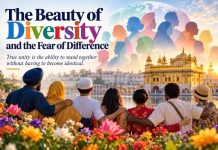
Whether intercultural or interfaith marriages should be encouraged or discouraged is a question shaped by personal belief, cultural comfort and religious interpretation. However, once such a marriage has taken place, those sore moments may have passed years ago, the more important question is no longer ideological—it becomes moral, relational and spiritual.
When parents respond with anger or withdrawal, it is worth reflecting on how long such resentment should persist—days, years or an entire lifetime. What purpose does it truly serve when a child, once viewed as having gone astray, has grown into a responsible adult and perhaps a parent in their own right? Beyond this, many such children have progressed in life as a family, matured through experience, yet continue to live with a deep sense of longing to share their milestones with the very parents who were once their greatest source of comfort and joy. That absence creates an inner emptiness, marked by quiet remorse and an enduring hope for forgiveness.
To err is human; to forgive is divine. Yes, they may have fallen in love and married against parental wishes. Yet, with time, they have formed another family unit—one that seeks dignity, acceptance and inclusion, not defiance. They wish to return not to justify the past, but to share the happiness of each step forward and to restore the bonds that once defined home.
Yes, as parents, they may have endured moments of sadness and disappointment and faced social pressures within the communities they lived in. Why care? Those moments have passed on. It is also possible that, in hindsight, there were aspects of parenting that did not unfold as intended.
Yet a child brought up with strong values seldom discards them. More often, those very values resurface in the way they nurture their own children—through love, discipline, honesty and care. Culture and heritage are not undone by marriage; they endure through lived example and the quiet passing on of values across generations.
The birth of a grandchild introduces an even deeper moral responsibility. An innocent life enters the world without choice or fault. When grandparents withdraw, children are deprived of the warmth, care and unconditional love that shape emotional security and lifelong belonging. What will these children remember, and what sense of family will they carry into adulthood?
Sikhi consistently places humility, forgiveness and universal goodwill at its core. When a Sikh prays, “Nanak Naam Chardi Kala, Tere Bhane Sarbat Da Bhalla,” this prayer cannot be selective. Sarbat da bhalla—the welfare of all—must include one’s own children and grandchildren, or else the prayer loses its sincerity.
If resentment persists, where then is supplication, this Ardas, positioned? Can one sincerely seek universal good while consciously excluding those closest by blood and responsibility? Such inner conflict quietly erodes peace and spiritual clarity.
With time, wisdom calls for the setting aside of ego and anger. Forgiveness is divine, and embracing one’s child and grandchild is an invaluable blessing. Inviting the spouse of one’s child is not surrender—it is strength, maturity, and moral courage.
Forgiveness is the virtue taught by the True Guru.
To parents who feel their child has drifted away from culture and heritage, try calling them home. Just try it. Let love lead before judgment. You may find old tenderness rekindled, long-suppressed care returning, and moments of joy renewed—often with tears of healing shared by parents and the once-abandoned child. And then, look closely: see happiness through the eyes of your grandchild, who asks only for belonging.
In closing, parents must also reflect on a deeper responsibility: do not allow estrangement to turn into resentment that hardens into hatred, or into rejection that weakens the belief system the child was lovingly raised with. Such outcomes are disastrous—not only for the relationship, but for the wider community.
Parents should not surrender to the pressures, prejudices or ill judgments of society or even close relatives. Instead, they are called to protect and preserve heritage through wisdom, compassion, and inclusion. When families choose inclusion over exclusion, the bond often grows stronger than before—resilient, renewed, and far less likely to ever break again..

The writer, Dr. Bains B.S., is a physiotherapist, community leader and President of the Private Physiotherapy Clinic Owners’ Association of Malaysia. He writes on culture, interfaith harmony, and the evolution of tradition in the modern Malaysian context.
RELATED STORY:
Significance of Chaur Sahib (Asia Samachar, 22 Feb 2025)
ASIA SAMACHAR is an online newspaper for Sikhs / Punjabis in Southeast Asia and beyond. You can leave your comments at our website, Facebook, Twitter, and Instagram. We will delete comments we deem offensive or potentially libelous. You can reach us via WhatsApp +6017-335-1399 or email: asia.samachar@gmail.com.