




















By Manjit Kaur | Opinion |
Having spent the past year and half grieving over the passing of my mum, I have felt now is the right time for me to address the issue of attachment, loss and separation. Attachment is the thread that stitches itself into every aspect of our lives. We are attached to people, possessions, routines, memories, and even our identities. And yet, detachment or letting go, though it sounds harsh, can be the quiet doorway to clarity, freedom and peace.
I first felt the depth of attachment when I lost my father in 2012. His loss left a void that no words could fill. Each day, his absence pressed against me. I clung to memories, replayed conversations in my mind, and searched desperately for comfort in anything that reminded me of him. As his death was sudden, the shock and grief were unbearable, but over time it allowed me to see a different side of my relationship to him. It showed me that the heart learns detachment slowly, painfully, but inevitably and that what is important in life is to hold onto happy memories.
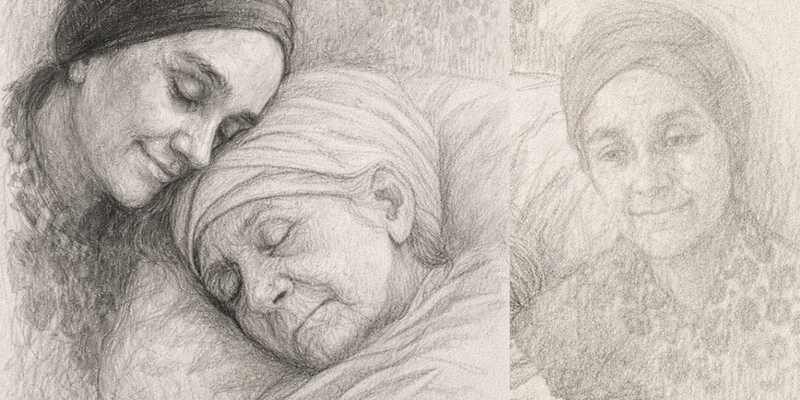
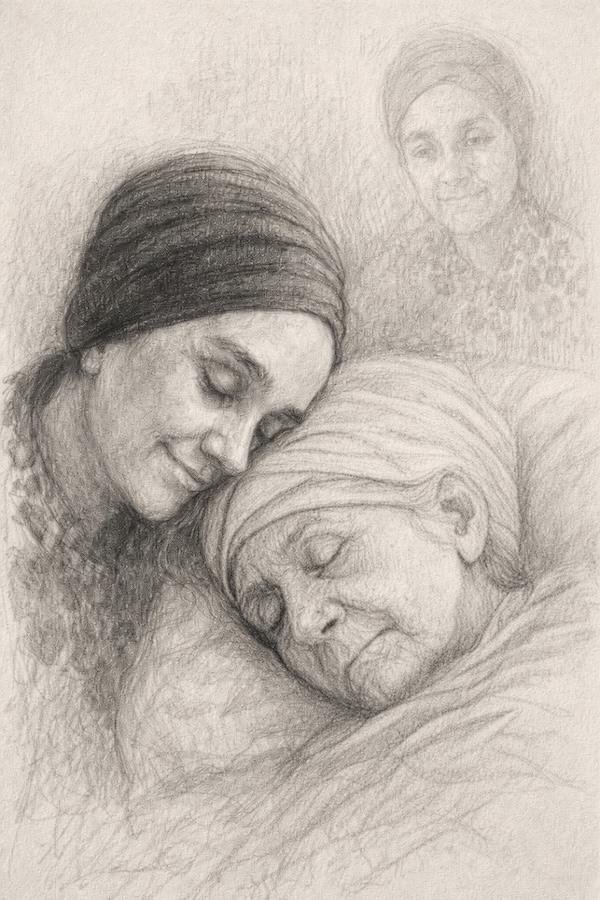
Twelve years later, in October 2024, I faced the loss of my mum. Unlike my dad, mum had been ill for some time with dementia, and I knew she was slowly drifting away. This grief was different, more intimate and slower. Losing my mum reminded me that attachment begins at birth, extends into our earliest family life, and shapes our sense of belonging and identity. Her absence was less of a shock, but in some senses, much more difficult to accept.
Having now lost both my parents, I found myself drifting and confused about who I was, especially with the loss of my identity as a daughter. But having had the opportunity to grieve and express my emotions, I managed to get onto the path of healing, though perhaps I will never completely heal. I now realise, detachment is not about letting go of love. It is about learning to carry love inside us without dependence and without possession. In this regard, both my parents will remain firmly attached with me forever in my memories.
For me, these profound experiences echo in everyday life, where we form and release attachments on a regular basis. Friendships are made, evolve and some, for many reasons, fade and break. Jobs, homes, and routines come and go. We accumulate objects, clothes, even money, that can silently weigh down our minds. It can be like walking around carrying a heavy ruck sack which just keeps getting heavier! Letting go, even of small things, can feel challenging. We hesitate over a favourite item of clothing, shoes or an old photograph.
And yet, letting go and decluttering of our homes, our closets, and our minds can be truly liberating. I have felt the lightness that follows clearing a room of objects long held onto, the subtle openness that comes when old routines are released, and the freedom that emerges when we stop clinging to the past. The act of letting go of things and even past hatreds, reminds us that space, both inside and around us, can be created for new possibilities.
Detachment can be emotionally difficult. I have learned it’s about retraining your mind and making new connections, and because of this many people become trapped in the past. Yes, memories, people, and possessions are important, but as Gurbani teaches, these will not remain for ever and, just as we came into world with nothing, we will leave with nothing.
So, we need to learn to hold onto those things and thoughts that are of value and let go of those that simply drag us down. And in extreme cases, as psychologists tell us, this can lead to a mental illness what they call Hoarding Disorder! The small, everyday practices of attachment and detachment, saying goodbye to a friend who has moved on, leaving a home that is no longer suitable, or simply removing objects that no longer serve any use, are not only good for the mind, but they can prepare us for life’s larger lessons.
Each act of decluttering, each choice to let go, each moment of conscious detachment is practice. It trains the heart to love without possession, to be present without clinging, and to live with a quiet openness that is both humbling and freeing. Ultimately it is about realising that there are some things that are much more precious than objects, and that love, which cannot be bought, but must be nurtured and felt, is most important thing in life.
In letting go, we do not lose life; we deepen it. And in this balance of attaching and detaching, whether this is managing the separation of loved ones, to the small acts of everyday life, we find a subtle feeling lightness, an ability to remember the past, but live in the present and look forward to the future.
Join the conversation on this story on Asia Samachar’s Facebook and Instagram pages.

Manjit Kaur, a UK-based therapist and counsellor, is a presenter at the 1 Show Live at Panjab Broadcasting Channel, UK. She can be contacted via email at manjitkaur1show@gmail.com
RELATED STORY:
Valentine’s Day: A Sikh perspective on true love (Asia Samachar, 14 Feb 2024)
ASIA SAMACHAR is an online newspaper for Sikhs / Punjabis in Southeast Asia and beyond. You can leave your comments at our website, Facebook, Twitter, and Instagram. We will delete comments we deem offensive or potentially libelous. You can reach us via WhatsApp +6017-335-1399 or email: asia.samachar@gmail.com. For obituary announcements, click here