ASIA SAMACHAR is an online newspaper for Sikhs / Punjabis in Southeast Asia and beyond. You can leave your comments at our website, Facebook, Twitter, and Instagram. We will delete comments we deem offensive or potentially libelous. You can reach us via WhatsApp +6017-335-1399 or email: asia.samachar@gmail.com. For obituary announcements, click here
A career dedicated to studying persecution, displacement and human dignity has led Dr Gunisha Kaur to a historic appointment. The physician-scientist has become the first Sikh to serve on the United States Commission on International Religious Freedom (USCIRF), a bipartisan federal body that monitors religious freedom violations worldwide and advises the US government on policy responses.
Her appointment marks a milestone for Sikh representation in Washington and elevates a researcher whose work has focused on refugees, asylum seekers and minority communities facing discrimination and violence.
“Dr Kaur will make history as the first and only Sikh to serve on the commission, and I am honoured to support a commissioner with such extensive experience in human rights and community leadership,” said Senator Charles Schumer (D-NY), who recommended her appointment.
An anesthesiologist specialising in human rights research, Dr Gunisha serves as director of the Weill Cornell Medicine Human Rights Impact Lab. She is also a board member of human rights organisation Ensaaf, a Stephen M. Kellen Term Member at the Council on Foreign Relations, and a Faculty Fellow at the Mario Einaudi Center for International Studies.
USCIRF commissioners are appointed for two-year terms by the White House and Democratic and Republican leaders in the House and Senate. As an independent legislative branch agency, USCIRF monitors the universal right to freedom of religion or belief abroad, makes policy recommendations to the president, secretary of state and Congress, and tracks the implementation of those recommendations.
In a statement, the Sikh Coalition said it has worked closely with USCIRF in recent years to raise awareness about transnational repression and to commemorate Sikh human rights defenders such as Jaswant Singh Khalra.
According to her website, Dr Gunisha has dedicated her career to advancing the health and wellbeing of forcibly displaced populations, including refugees and asylum seekers facing persecution because of their religion, LGBTQ+ identity or other minority status.
Drawing on her background in neuroscience research, she has pioneered the study of human rights through scientific methodology. Her work has received support from the National Institutes of Health, the Foundation for Anesthesia Education and Research, the National Academy of Medicine and Cornell University.
Join the conversation on this story on Asia Samachar’s Facebook and Instagram pages.
ASIA SAMACHAR is an online newspaper for Sikhs / Punjabis in Southeast Asia and beyond. You can leave your comments at our website, Facebook, Twitter, and Instagram. We will delete comments we deem offensive or potentially libelous. You can reach us via WhatsApp +6017-335-1399 or email: asia.samachar@gmail.com. For obituary announcements, click here
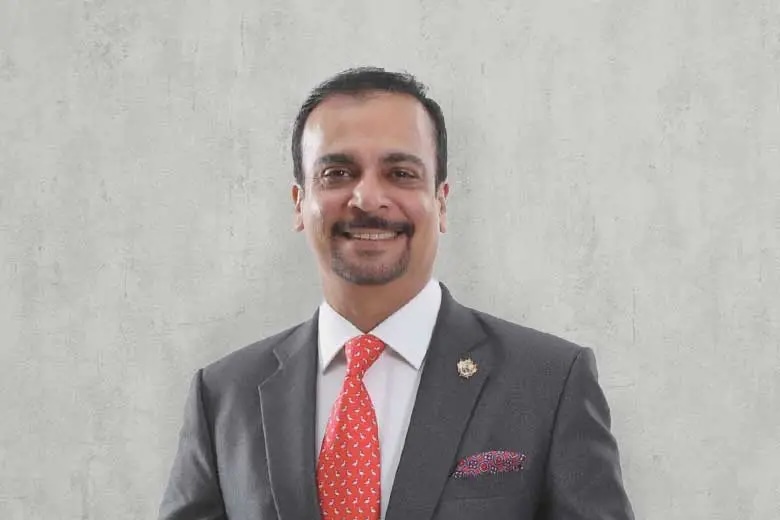
Johor businessman and community leader Avinderjit Singh Harjit Singh has been conferred the Panglima Setia Mahkota (PSM), which carries the title Tan Sri, in conjunction with the official birthday celebrations of the Yang di-Pertuan Agong Sultan Ibrahim at Istana Negara today.
Avinderjit, a trustee of the Yayasan Sultan Ibrahim Johor, was among five recipients of the PSM, one of the nation’s highest federal honours.
Within the Sikh community, Avinderjit is widely known for his active role in supporting gurdwaras, educational initiatives and charitable programmes in Johor. He has worked closely with Sikh organisations and community leaders while helping strengthen engagement between the Sikh community and the Johor state leadership.
A businessman by profession, he is a director in several key subsidiaries and associated companies, with long-standing ties to the Sultan of Johor’s family. In July 2018, he was appointed as a trustee of the Yayasan Sultan Ibrahim Johor, and in 2021 made the managing trustee.
He is also a patron of the Johor Sikh Sports Club.
At the event today, Chief Justice Wan Ahmad Farid Wan Salleh headed the honours list as the sole recipient of the Darjah Seri Setia Mahkota (SSM), which carries the title Tun. Treasury secretary-general Johan Mahmood Merican, foreign ministry secretary-general Amran Zin, army chief Azhan Md Othman and Air force chief Norazlan Aris were among the other recipients of the PSM.
Join the conversation on this story on Asia Samachar’s Facebook and Instagram pages.
ASIA SAMACHAR is an online newspaper for Sikhs / Punjabis in Southeast Asia and beyond. You can leave your comments at our website, Facebook, Twitter, and Instagram. We will delete comments we deem offensive or potentially libelous. You can reach us via WhatsApp +6017-335-1399 or email: asia.samachar@gmail.com. For obituary announcements, click here
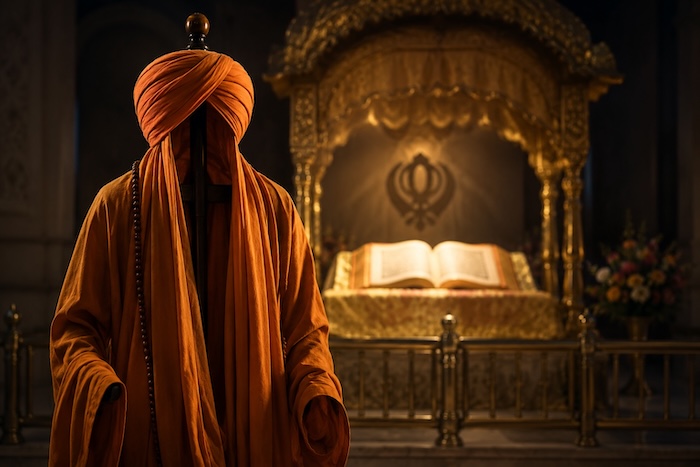
In recent times, a debate amongst Panthic circles has been brewing concerning the existence, role and status of “Sants”; a designation that has become increasingly common today amongst Sikhs. – ASgraphics
By Gurnam Singh | Opinion |
In recent times, a debate amongst Panthic circles has been brewing concerning the existence, role and status of “Sants”; a designation that has become increasingly common today amongst Sikhs. Though there is no definitive figure, it is often estimated that for almost every one of the 13,000 villages of Punjab, there is at least one and often many individuals claiming the status of Sant and/or Brahamgiani. One might speculate the number of self-proclaimed Sants in Panjab, and increasingly the wider Sikh diaspora, could be as much as 20,000, each with their own deras and loyal band of followers!
In religion generally, it is common to see a formal structure typically referred to as an ecclesiastical hierarchy. The Christian church deploys a wide range of titles, ascending to bishops, archbishops, and the pope. Similarly, Muslims have their Pirs and Fakirs, and Hinduism features a vast array of designations such as rishi, maharishi, sadhu, acharya, swami, and guru. In Buddhism, we see titles like Bhikkhu (monk), Lama (Tibetan spiritual teacher) and Rinpoche (revered teacher).
While there are many references in Gurbani to Sant and Brahamgiani (knower of the Divine), the reality of their make-up and status in Sikhi is not that simple. This is primarily because Sikhi explicitly rejects a formal clergy or priestly class. While we can all learn from and be inspired by any number of individuals, in Sikhi, it is the through the Guru that one can gain enlightenment, and given, the ultimate source of spiritual wisdom and authority is vested permanently in the Guru Granth Sahib; there can be no other.
WHEN IT ALL BEGAN
Looking back at Sikh history, it is not until the annexation of the Sikh Empire of Maharaja Ranjit Singh by the British in 1849, that titles of Sants began to emerge. Before then, there is little evidence that self-declared Sants were widespread.
Kiranjeet Sandhu in her doctoral thesis, The Udasīs in the Colonial Punjab 1849 A.D. – 1947 A.D., (2012) asserts that British colonial administration asserted their control by validating lucrative, revenue-free land grants (dharmarths) and intentionally extending state patronage to traditional religious custodians, specifically the Mahants of the Udasi sect. While these sacred spaces and agricultural estates had historically been subject to community accountability, British land settlement officers upended indigenous traditions by registering these properties directly in the personal names of individual Mahants, effectively imposing Western private property laws onto communal institutions.
Richard Gabriel Fox in his book, Lions of the Punjab: Culture in the Making, (1985) argues that structural manipulation converted ‘spiritual caretakers’ into wealthy, hereditary landlords who depended entirely on British legal frameworks to shield themselves from community oversight. Consequently, as Harjot Oberoi in his study of the Singh Sabha Movement, The Construction of Religious Boundaries Culture, Identity, and Diversity in the Sikh Tradition (1994) highlights, the colonial state successfully engineered an insulated, fiercely loyal class of religious elites, with the titles of Sant’s, whose material interests were bound to the preservation of the Raj, turning major shrines into key mechanisms of imperial pacification until this corrupt patronage network was violently challenged by the Akali Movement and the Singh Sabha Lehar in the 1920s.
To be clear, I am not arguing that Sants, as individuals who have reached such immense spiritual heights that they have broken through the illusion of separation and become one with the Divine, do not exist. Indeed, there are many references in Gurbani to the existence of such individuals, and therefore one must accept it is entirely possible to be a saintly person. In this true sense, “sant” is not being deployed as an institutional title or a badge of rank, but rather as a descriptive noun reflecting an inner reality.
SAINTS, GURU & DIVINE
Another complication is that often the word Sant is used as a synonym to the Divine. For example, in the following shabad Guru Arjan Dev Ji (Guru Granth Sahib, page 997) makes this clear, “ਭਾਗੁ ਹੋਆ ਗੁਰਿ ਸੰਤੁ ਮਿਲਾਇਆ ॥ ਪ੍ਰਭੁ ਅਬਿਨਾਸੀ ਘਰ ਮਹਿ ਪਾਇਆ ॥“By great good fortune, the Guru has united me with the Saint, the Divine Creator; I have found the Immortal Lord within the home of my own heart.” This union between Guru and Sant here is made cleart when considering the spelling of ਗੁਰਿ/Gur with the ‘sihari’ vowel which denotes the instrument or by/through the Guru, and Sant refers directly to the Divine. The Guru is the medium who bridges the soul to the Ultimate Saint, which is the Formless Lord.
Guru Ram Das Ji (GGS, p773) reinforces this precise usage of the term Sant in the following lines, ਗੁਰ ਸੰਤ ਜਨੋ ਪਿਆਰਾ ਮੈ ਮਿਲਿਆ ਮੇਰੀ ਤ੍ਰਿਸਨਾ ਬੁਝਿ ਗਈਆਸੇ ॥ਹਉ ਮਨੁ ਤਨੁ ਦੇਵਾ ਸਤਿਗੁਰੈ ਮੈ ਮੇਲੇ ਪ੍ਰਭ ਗੁਣਤਾਸੇ ॥ “The Beloved Guru, the Holy Saint, has met me, and my burning desires have been quenched. I dedicate my mind and body to the True Guru, who has united me with God, the Treasure of Virtue.”
Sometimes Sant is used as a the Sant Sabha/Saintly Assembly of the Guru, for example, in the following line, Guru Nanak Dev Ji (GGS, p1170) states: “ਗੁਰ ਸੰਤ ਸਭਾ ਦੁਖੁ ਮਿਟੈ ਰੋਗੁ ॥ ਜਨ ਨਾਨਕ ਹਰਿ ਵਰੁ ਸਹਜ ਜੋਗੁ ॥ “In the Saintly Assembly of the Guru, suffering and disease are erased. O Servant Nanak, the soul easily attains union with her Husband Lord.”
In all these foundational contexts, “Gur Sant” highlights that the True Guru functions as the supreme saintly guide, strictly steering the seeker away from human worship and directing them toward the worship of the one Formless Creator (Akal Purakh).
Along with extolling the virtues of spiritually enlightened souls, Gurbani repeatedly emphasises that spiritual realisation has absolutely nothing to do with religious robes, specific colours, or trying to ‘look the part’. A true Sant is defined by the complete eradication of ego and the cultivation of divine virtues like compassion, truth, and humility. As Guru Arjan Dev Ji writes (GGS, page 926) ਗੁਰਮੁਖਿ ਕੈ ਮਸਤਕਿ ਭਾਗੁ ਜਿਨ੍ਹ੍ਹੀ ਗੋਵਿਦੁ ਰਵਿਆ ॥ ਮਨਿ ਤਨਿ ਨਾਮੁ ਉਦਿਆਨੁ ਪ੍ਰਭੁ ਸਚੁ ਸਬਦਿ ਥਿਰੁ ਥਵਿਆ ॥ “The Gurmukhs (Guru-oriented) have good fortune on their foreheads; they dwell upon the Divine of the Universe. In their minds and bodies, the Naam, the Name of God, shines forth in the wilderness of this world; through the True Word of the Shabad, they are permanently established.”
In Sukhmani Sahib, Guru Arjan Dev Ji dedicates an entire Ashtpadi (an eight-stanza canto) to defining what a Sant truly is. Every single marker provided is an internal, moral, and spiritual virtue; never a physical description or an external uniform. Indeed, in the final reckoning, Gurbani states that a there is not distinction between a true Sant, or Brahamgiani, and the Divine. In the 6th Pauri, for instance Guru Arjan states, “ਨਾਨਕ ਬ੍ਰਹਮ ਗਿਆਨੀ ਆਪਿ ਪਰਮੇਸੁਰ ॥੬॥ O Nanak, the God-conscious being is Himself the Supreme Divine God.”
It is important to note that Guru Ji uses the word ‘Aap’, which means “He, Himself” or “personified.” It indicates that the Brahmgiani isn’t a title or messenger/Prophet, or a highly smart person studying scriptures; rather, their consciousness has completely merged into the Divine. Just as a drop of water falling into the ocean loses its individual identity and becomes the ocean, the saint’s ego dies, leaving only God operating through that physical body
In the 8th Pauri, Guru Ji states, “ਬ੍ਰਹਮ ਗਿਆਨੀ ਆਪਿ ਨਿਰੰਕਾਰੁ ॥The God-conscious being is himself the Formless Divine”. The key phrase here is ‘Nirankar’ which literally means the “Formless”. Here, Gurbani establishes that while the Brahmgiani has a physical human body form, their true, internal reality is completely non-physical, boundlessly vast, and identical to the Formless One.
In reality, very few individuals completely inculcate divine virtues leading ultimately to them breaching the veil of ego. Gurbani describes the separation between humanity and the Divine not as a vast physical distance, but as a thin, psychological wall of ego (haumai). The true Sant, hence, is the one who tears this wall down. Guru Ram Das Ji clarifies (GGS, page 205): “ਅੰਤਰਿ ਅਲਖੁ ਨ ਜਾਈ ਲਖਿਆ ਵਿਚਿ ਪੜਦਾ ਹਉਮੈ ਪਾਈ ॥ “The Unseen Divine dwells within, but He cannot be seen, because the curtain of ego stands between them.”
When a seeker of ultimate truth manages, through selfless service, honest living and continuous reflection on the Divine aspects of existence, this curtain is lifted; then they merge seamlessly into the Divine, just as a ripple dissolves back into the ocean. At that profound stage of consciousness, the distinction between the Creator and the servant disappears entirely. As written by Guru Gobind Singh Ji in the Dasam Granth: ਹਰਿ ਹਰਿ ਜਨ ਦੁਇ ਏਕ ਹੈ ਬਿਬ ਬਿਚਾਰੁ ਕਿਛੁ ਨਾਹਿ ॥ ਜਲ ਤੇ ਉਪਜਿ ਤਰੰਗ ਜਿਉ ਜਲ ਹੀ ਬਿਖੈ ਸਮਾਹਿ ॥ “The Divine and the Divine’s servant are both one; do not think there is any difference between them. Like a ripple arising from the water, it merges back into the water.”
Genuine spiritual beings are entirely liberated from the desire for praise, stages, or a flock of followers. Gurbani warns that seeking power, corporate titles, and bowing devotees is a dangerous trap of Maya (illusion). Bhagat Kabir Ji explicitly critiques the practice of wearing special clothes or gathering crowds just to project an aura of holiness:
ਗਜ ਸਾਢੇ ਤੈ ਤੈ ਧੋਤੀਆ ਰੇਖਾ ਬਹੁਤੁ ਅਕਾਰੁ ॥ ਗਲੀ ਜਿਨ੍ਹ੍ਹਾ ਜਪਮਾਲੀਆ ਲੋਟੇ ਹਾਥਿ ਜੰਜਾਰੁ ॥ ਓਇ ਹਰਿ ਕੇ ਸੰਤ ਨ ਆਖੀਅਹਿ ਬਾਨਾਰਸਿ ਕੇ ਠਗ ॥ “They wear loincloths three and a half yards long, and draw lines of rituals on their bodies. Around their necks are rosaries, and in their hands are sparkling jugs. They are not called Saints of the Divine; they are the thugs of Benares.” (SGGS, 476) Instead of showcasing their spirituality on a stage, a true Sant conceals their realization in deep humility, remaining detached from public opinion. Guru Arjan Dev Ji states on page 275: “ਮਾਨੁ ਅਭਿਮਾਨੁ ਮੰਧੇ ਸੋਈ ॥ ਤਾਸੁ ਪ੍ਰਗਟੁ ਸਭ ਲੋਈ ॥ “One who treats honour and dishonour as the same, their glory shines across the universe.”
Furthermore, true Sants do not need specific holy places because their own body becomes the temple, allowing them to experience God everywhere. Gurbani completely redefines what a “temple” is, clarifying that God does not live exclusively in stone buildings. The human body itself is the ultimate shrine, as Guru Amar Das Ji notes (GGS, page 1059): ਕਾਇਆ ਹਰਿ ਮੰਦਰੁ ਹਰਿ ਆਪਿ ਸਵਾਰੇ ॥ “This body is the temple of the Divine, which the Divine Himself has adorned.”
For a fully enlightened being, the external world loses its duality of “sacred” and “profane.” Because their mind is completely pure, everything they perceive is experienced as the Divine. Guru Ram Das Ji beautifully captures this omnipresent awareness (GGS, page 982): ਅੰਤਰਿ ਬ੍ਰਹਮੁ ਬਾਹਰਿ ਭੀ ਬ੍ਰਹਮੁ ਜਹ ਦੇਖਾ ਤਹ ਹਰਿ ਇਕੋ ॥ “God is within, and God is outside as well. Wherever I look, there is only the One”
Bhagat Kabir Ji sums up this total transformation perfectly on page 1367. When the mind becomes completely pure, God does not wait for us to visit a physical building; the Divine presence naturally accompanies the pure soul wherever they walk: ਕਬੀਰ ਮਨੁ ਨਿਰਮਲੁ ਭਇਆ ਜੈਸੇ ਗੰਗਾ ਨੀਰੁ ॥ ਪਾਛੈ ਲਾਗੋ ਹਰਿ ਫਿਰੈ ਕਹਤ ਕਬੀਰ ਕਬੀਰ ॥ “Kabir, my mind has become pure, like the waters of the Ganges. Now, God follows along after me, calling out, ‘Kabir! Kabir!’”
CAN SAINTS EXIST?
The question we need to consider is not whether saints can exist, but whether Sikhi authorises us to identify, market, or rank them. Gurbani leaves no ambiguity: the moment spirituality seeks recognition, authority, followers, or titles, ego has already triumphed, and where ego exists, sant‑hood cannot! A true Sant cannot be appointed, advertised, or self‑declared, because the defining feature of sant‑hood is the total annihilation of the self. The Sant does not stand apart from society to be revered; rather, they dissolve so completely into the Divine that no separate identity remains to be elevated.
As for ordinary Sikhs, Gurbani asks us to discover the Divine, or if you like the ‘Sant’ within, and this can only be done through confronting our own ego/haumai. The Guru never redirected Sikhs towards personalities or intermediaries dressed in holy garb, but to the permanently anchored spiritual authority in the Shabad Guru. And as for the true Sant’s, unlike those who are found in and around ‘religious’ places seeking followers, they certainly do exist. But are likely to be unknown, untitled and utterly unconcerned with status, fame or fortune.
Join the conversation on this story on Asia Samachar’s Facebook and Instagram pages.
Gurnam Singh is an academic activist dedicated to human rights, liberty, equality, social and environmental justice. He is a Professor of Sociology at University of Warwick, UK. He can be contacted at Gurnam.singh.1@warwick.ac.uk
* This is the opinion of the writer and does not necessarily represent the views of Asia Samachar.
ASIA SAMACHAR is an online newspaper for Sikhs / Punjabis in Southeast Asia and beyond. You can leave your comments at our website, Facebook, Twitter, and Instagram. We will delete comments we deem offensive or potentially libelous. You can reach us via WhatsApp +6017-335-1399 or email: asia.samachar@gmail.com. For obituary announcements, click here
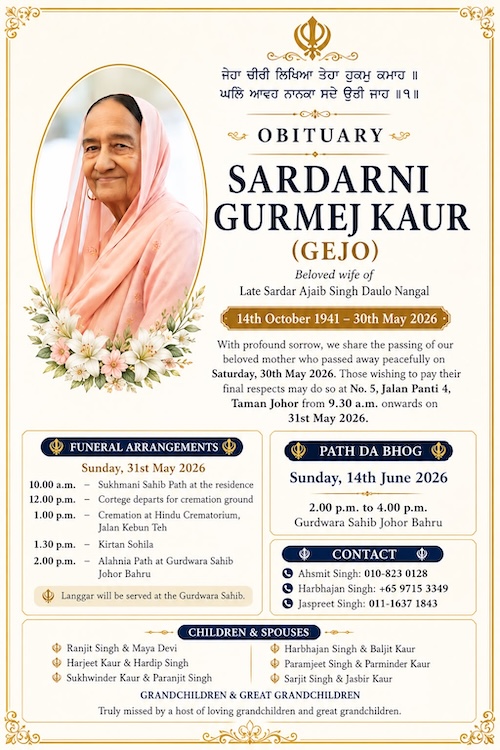
Beloved wife of Late Sardar Ajaib Singh Daulo Nangal
With profound sorrow, we share the passing of our beloved mother who passed away peacefully on Saturday, 30th May 2026. Those wishing to pay their final respects may do so at No. 5, Jalan Panti 4, Taman Johor from 9.30 a.m. onwards on 31st May 2026.
FUNERAL ARRANGEMENTS Sunday, 31st May 2026 10.00 a.m. – Sukhmani Sahib Path at the residence 12.00 p.m. – Cortege departs for cremation ground 1.00 p.m. – Cremation at Hindu Crematorium, Jalan Kebun Teh 1.30 p.m. – Kirtan Sohila 2.00 p.m. – Alahnia Path at Gurdwara Sahib Johor Bahru. Langgar will be served at the Gurdwara Sahib.
PATH DA BHOG Sunday, 14th June 2026 From 2.00 p.m. to 4.00 p.m. Gurdwara Sahib Johor Bahru
ASIA SAMACHAR is an online newspaper for Sikhs / Punjabis in Southeast Asia and beyond. You can leave your comments at our website, Facebook, Twitter, and Instagram. We will delete comments we deem offensive or potentially libelous. You can reach us via WhatsApp +6017-335-1399 or email: asia.samachar@gmail.com. For obituary announcements, click here
Six women were the centre of attention at the Sikh Women’s Awareness Network (SWAN) Mother’s Day 2026 celebration held in Kuala Lumpur on May 16, during a memorable afternoon filled with joy, laughter, appreciation and togetherness.
The women were honoured with the SWAN Mother’s Day Awards in recognition of their unwavering dedication to their families and the community, said SWAN deputy president Harbans Kaur.
The recipients were Dr Ajeet Kaur Gill, Harjinder Kaur Sidhu, Baljit Kaur, Mrs Jagjeet Kaur, Belinderjit Kaur and Harbans Kaur.
Join the conversation on this story on Asia Samachar’s Facebook and Instagram pages.
ASIA SAMACHAR is an online newspaper for Sikhs / Punjabis in Southeast Asia and beyond. You can leave your comments at our website, Facebook, Twitter, and Instagram. We will delete comments we deem offensive or potentially libelous. You can reach us via WhatsApp +6017-335-1399 or email: asia.samachar@gmail.com. For obituary announcements, click here
ASIA SAMACHAR is an online newspaper for Sikhs / Punjabis in Southeast Asia and beyond. You can leave your comments at our website, Facebook, Twitter, and Instagram. We will delete comments we deem offensive or potentially libelous. You can reach us via WhatsApp +6017-335-1399 or email: asia.samachar@gmail.com. For obituary announcements, click here
ASIA SAMACHAR is an online newspaper for Sikhs / Punjabis in Southeast Asia and beyond. You can leave your comments at our website, Facebook, Twitter, and Instagram. We will delete comments we deem offensive or potentially libelous. You can reach us via WhatsApp +6017-335-1399 or email: asia.samachar@gmail.com. For obituary announcements, click here
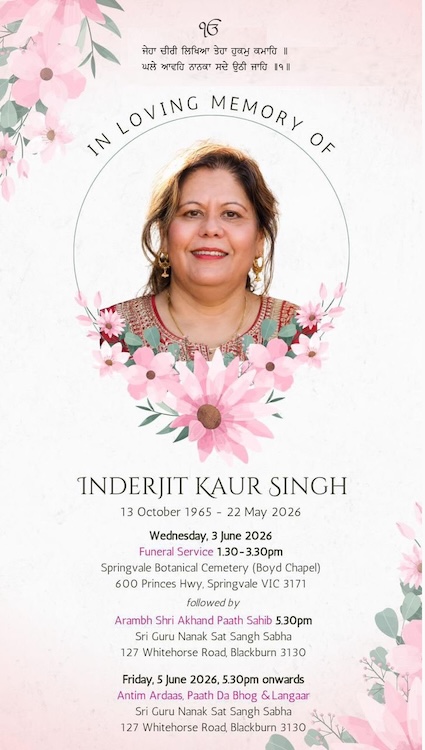
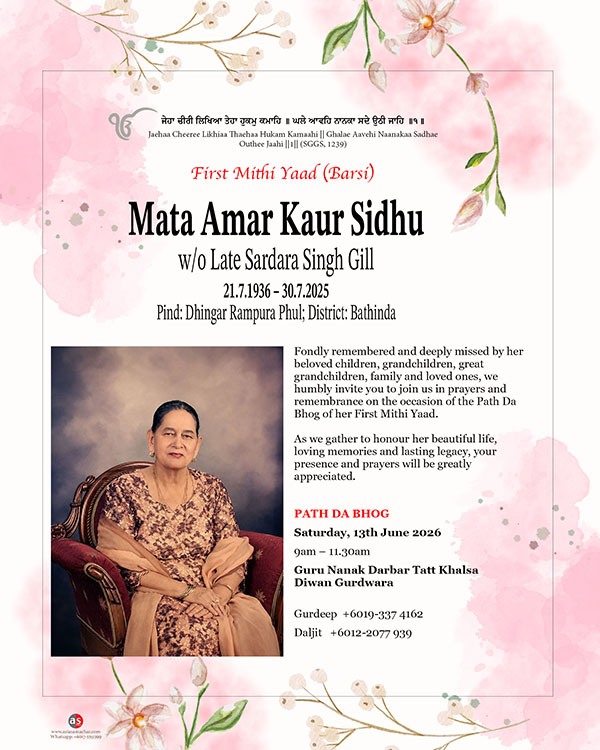
Fondly remembered and deeply missed by her beloved children, grandchildren, great grandchildren, family and loved ones, we humbly invite you to join us in prayers and remembrance on the occasion of the Path Da Bhog of her First Mithi Yaad.
As we gather to honour her beautiful life, loving memories and lasting legacy, your presence and prayers will be greatly appreciated.
DATE: Saturday, 13th June 2026 TIME: 9am – 11.30am VENUE: Guru Nanak Darbar Tatt Khalsa Diwan Gurdwara
ASIA SAMACHAR is an online newspaper for Sikhs / Punjabis in Southeast Asia and beyond. You can leave your comments at our website, Facebook, Twitter, and Instagram. We will delete comments we deem offensive or potentially libelous. You can reach us via WhatsApp +6017-335-1399 or email: asia.samachar@gmail.com. For obituary announcements, click here
Vickrum Digwa (left) and Henry Nowak – Photo: Mugshots from police handouts
By Dr Dapinder Singh | Britain |
The trial and conviction of 23‑year‑old Amritdhari Sikh Vikram Singh Digwa for the murder of 18‑year‑old university student Henry Nowak in UK city of Southampton marks a watershed moment for Sikhs in the UK, with implications far beyond Britain. Murder trials involving bladed weapons are tragically not uncommon. However, this case has drawn particular attention because the defendant sought to justify his actions by invoking his Sikh faith, but also because of the widespread public interest and reaction that has been generated in both mainstream and social media.
Alongside Digwa, his mother, Kiran Kaur, was convicted of assisting an offender, and both were remanded in custody pending sentence.
The court heard that at approximately 11.00 pm on 3 December 2025, Digwa stabbed Nowak five times with a 21 cm blade following a pavement altercation. The defence argued that Digwa acted in self‑defence, claiming he carried the blade as part of his Sikh religious observance and that Nowak had racially abused him and dislodged his turban. The prosecution successfully dismantled this account, arguing it had nothing to do with racism or Sikhism, but the cold-blooded murder of an innocent young student. The defendant’s testimony was described as a fabrication of lies designed to exploit racial tensions and evade responsibility.
In response to the verdict, the Sikh Federation UK (SFUK) issued a carefully worded statement, explicitly condemning Digwa’s actions and stressing that the killing was an isolated criminal act. Crucially, the federation distinguished the weapon used from the kirpan, the small sacred blade worn by initiated Sikhs as one of the five articles of faith. The blade in question, they argue, bore no resemblance to the discreet kirpan typically worn for religious observance. SFUK also underlined a key legal reality: protections for carrying a kirpan under UK law exist only for genuine religious practice and collapse entirely when a bladed object is used aggressively or criminally.
This distinction matters, not only for public understanding, but for the future of religious accommodation itself. Across the UK, Canada, the United States and elsewhere, Sikh communities are concerned that this high‑profile case could be seized upon by those eager to conflate faith with violence. At a time when far‑right anti‑migrant rhetoric is intensifying and hate crimes are rising, there is a real fear that misunderstanding of Sikh article of faith, most significantly the kirpan, could translate into hostility, stigma, or pressure to curtail long‑standing religious exemptions.
At the same time, Sikhs must resist the temptation to respond defensively or dishonestly. One uncomfortable truth must be faced: the kirpan is not merely a decorative or ceremonial symbol. It is an article of faith, but also a weapon with real moral and historical purpose. Like the other kakars, it represents duty, restraint, sovereignty, and the obligation to stand against injustice. To pretend otherwise is to weaken credibility, both legally and morally.
Yet acknowledging this does not mean that use of the kirpan is justified in any confrontation. Sikh tradition has never celebrated aggression. From the earliest development of the sant‑sipahi (saint soldier) ideal, force has been inseparable from discipline, humility, and moral accountability. Within Gurmat, power is always restrained by Dharam or righteous living. In this regard, defence of life, proportionality, non-aggression, and self‑control are non‑negotiable principles.
DIFFICULT QUESTIONS
That is why the Digwa case raises difficult but necessary questions for the Sikh community itself. Even if an altercation involved an element of racial hostility, was drawing a blade a necessary or proportionate response? Are young Amritdharis being adequately counselled about the immense responsibility that comes with carrying a kirpan? Is sufficient emphasis placed on emotional restraint, de‑escalation, and legal consequences, alongside outward identity?
These questions extend to communal institutions. Gatka and other martial traditions, when taught responsibly, can embody discipline and ethical control. When taught poorly, they risk becoming performative displays divorced from their spiritual foundations. Gurdwaras must ask whether they are teaching not only history and symbolism, but also legality, civic responsibility, and the gravity of restraint.
Historically, Sikh martial practice required far more than carrying a weapon. It demanded spiritual maturity, mastery over anger, accountability to the Panth, and readiness to accept consequences. Without that internal framework, there is a danger that some younger Sikhs inherit the outer form without fully grasping the inner discipline that must accompany it.
LEGAL PROTECTION
The tension between religious freedom and public safety has always existed beneath the surface. Modern legal systems operate on risk management, and accommodation for the kirpan has largely been sustained because it is understood to be responsibly carried, ethically governed, and vanishingly unlikely to be used. When a violent crime of the nature that was apparent in the Digwa case, is associated, rightly or wrongly, with a religious article, public anxiety and political pressure on Sikhs right to wear the kirpan, inevitably increase.
If wider society begins to view the kirpan primarily as a weapon rather than a sacred responsibility, legal protections may come under strain. Simply insisting that it is “only ceremonial” will not hold. A more mature and sustainable position is to explain, honestly, that the kirpan is an article of faith governed by strict moral restraint; that drawing it carries immense ethical and legal seriousness; and that responsible Sikhs are taught that its misuse is a profound violation of Sikh values.
Diaspora Sikhs have long fought to preserve the right to wear their articles of faith. Today, that struggle takes place in a climate where tolerance for minorities is waning and outrage is amplified by social media and political opportunism. In such times, what is needed is not denial or defensiveness, but calm, principled leadership rooted in honesty, discipline, and moral clarity.
Faith can never be a shield for criminality. Nor should criminal acts be allowed to redefine a faith. Holding both truths together is the challenge this case now presents.
Join the conversation on this story on Asia Samachar’s Facebook and Instagram pages.
ASIA SAMACHAR is an online newspaper for Sikhs / Punjabis in Southeast Asia and beyond. You can leave your comments at our website, Facebook, Twitter, and Instagram. We will delete comments we deem offensive or potentially libelous. You can reach us via WhatsApp +6017-335-1399 or email: asia.samachar@gmail.com. For obituary announcements, click here