Your presence is missed beyond what words can express. You will forever remain a part of us in every way, held close and loved beyond measure. You live on in everything we do and in every heartbeat that misses you.
Dearly loved and deeply missed by Parents: Terjinder Singh Akhara & Hervinder Kaur Siblings: Jasdeep Singh Akhara & Bhavinjit Kaur Akhara Together with her grandmother, all beloved family and friends
Our family humbly invites you to join us in prayer as we remember and honour Maniishapriet’s beautiful life.
KIRTAN DARBAR & PATH DA BHOG Sunday, 10th May 2026 From 9:30am to 11:30am (followed by Guru Ka Langgar) Gurdwara Sahib Kuching
For further information, kindly contact: Terjinder Singh – 019 – 889 8342 Jasdeep Singh – 019 – 818 8342
ASIA SAMACHAR is an online newspaper for Sikhs / Punjabis in Southeast Asia and beyond. You can leave your comments at our website, Facebook, Twitter, and Instagram. We will delete comments we deem offensive or potentially libelous. You can reach us via WhatsApp +6017-335-1399 or email: asia.samachar@gmail.com. For obituary announcements, click here
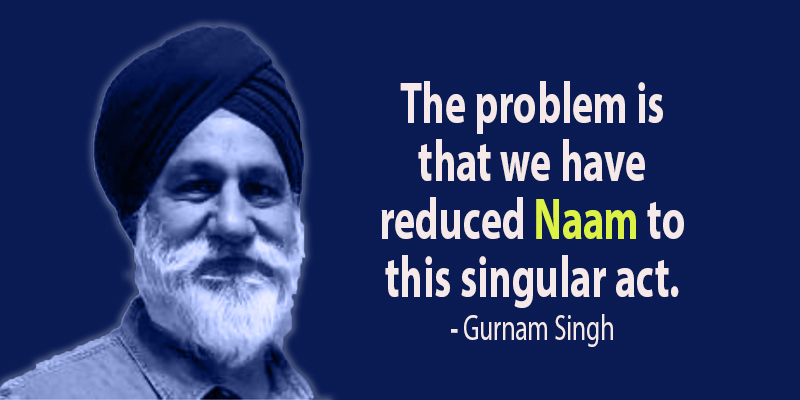
The aim of this article is to develop an expanded understanding of Naam. It argues that Naam is best understood a generic term reflecting a wide range virtuous actions, of which reflective meditation is one. The problem is that we have reduced Naam to this singular act. For this reason it is critical to understand the expansive nature of the concept of ‘Naam’ which is central to Sikh philosophy.
Though each faith tradition has its own word for the Divine entity, the most recognisable word is God. Though they have different etymologies, word ‘good’ in most religions, is associated with ‘good’ of ‘virture’.
Indeed, the phrase “good God” often rolls of the tongue when one witnesses some bad behaviours. Though the word ‘good’ has expansive meanings, within philosophy and religion, it is used to describe qualities that are morally excellent, righteous, or kind. Hence a ‘good person’ would be somebody who conforms to moral standards and good here represents the opposite of evil.
In a similar way, within Sikhi, the Divine Entity, which is popularly referred to as ‘Waheguru’, is depicted as a treasure of virtues or Gun Nidhan (ਗੁਣ ਨਿਧਾਨ).
As Guru Raamdas says; “ਤੇਰੇ ਕਵਨ ਕਵਨ ਗੁਣ ਕਹਿ ਕਹਿ ਗਾਵਾ ਤੂ ਸਾਹਿਬ ਗੁਣੀ ਨਿਧਾਨਾ ||Which, which of Your Glorious Virtues should I sing and recount, Lord? You are my Lord and Master, the treasure of excellence. (SGGS, 738)”
One of the nouns that is used to describe this treasure trove of divine virtues Naam. However, in contemporary Sikh practice, there is a growing tendency to view Naam simply as an object or a specific word or mantra to be recited mechanically. While Naam Japna (the meditation on the Name) is a powerful tool to focus the wandering mind, reducing the concept of Naam to simple repetition risks missing its true, expansive purpose, which is the total transformation of the self.
To understand the depth of Naam as Divine virtues, one must first understand those things that can undermine this. Gurbani is explicit regarding the relationship between the Ego (Haumai) and the Name (Naam). Guru Amar Das Ji illuminates this fundamental incompatibility in the following assertion:
“ਹਉਮੈ ਨਾਵੈ ਨਾਲਿ ਵਿਰੋਧੁ ਹੈ ਦੁਇ ਨ ਵਸਹਿ ਇਕ ਠਾਇ ॥ Ego and the Name are opposed to each other; they cannot dwell in the same place.” (SGGS, 560).
This is not merely a philosophical difference; it is an ontological clash. The Ego creates a reality centered on the “I” and the “Mine,” while Naam centers reality on the Divine and the Infinite. Because they cannot coexist, the practice of Naam must be an active process of dismantling the Ego.
If the presence of Naam is the absence of Ego, then logic dictates that any action, whether internal or external, that dissolves the Ego is, in essence, the practice of Naam. When we reframe Japna (meditation) in this light, it ceases to be a repetitive exercise and becomes a lifestyle of virtue. Naam thus is understood as the broad spectrum of divine virtues, such as, truth, contentment, compassion, and humility. To “Jap” the Name therefore, is any action that helps to embody these virtues.
This perspective aligns with the Guru’s teachings that prioritize action over ritual. Service (Seva) and righteous living are not secondary to meditation; they are the physical manifestation of it. “ਵਿਚਿ ਦੁਨੀਆ ਸੇਵ ਕਮਾਈਐ ॥ ਤਾ ਦਰਗਹ ਬੈਸਣੁ ਪਾਈਐ ॥ In the midst of this world, perform service (Seva), and you shall obtain a seat of honor in the Court of the Lord.” (SGGS, 26)
When we approach the world with the intention of service, we are practicing Naam because we are acting from a place of humility rather than ego. While meditative reflection is a vital anchor to calibrate the mind, that calibration must inevitably flow outward.
Ultimately, the practice of Naam is a holistic commitment to life. It is the decision to act with integrity, speak with compassion, and serve without expectation. When the ego is silenced, every action taken in accordance with Divine Order becomes a prayer, and the entire life of the practitioner becomes a living Jaap.
Join the conversation on this story on Asia Samachar’s Facebook and Instagram pages.
Gurnam Singh is an academic activist dedicated to human rights, liberty, equality, social and environmental justice. He is a Professor of Sociology at University of Warwick, UK. He can be contacted at Gurnam.singh.1@warwick.ac.uk
* This is the opinion of the writer and does not necessarily represent the views of Asia Samachar.
ASIA SAMACHAR is an online newspaper for Sikhs / Punjabis in Southeast Asia and beyond. You can leave your comments at our website, Facebook, Twitter, and Instagram. We will delete comments we deem offensive or potentially libelous. You can reach us via WhatsApp +6017-335-1399 or email: asia.samachar@gmail.com. For obituary announcements, click here
| Entry: 22 April 2026; Updated: 26 April 2026 | Source: Family
ASIA SAMACHAR is an online newspaper for Sikhs / Punjabis in Southeast Asia and beyond. You can leave your comments at our website, Facebook, Twitter, and Instagram. We will delete comments we deem offensive or potentially libelous. You can reach us via WhatsApp +6017-335-1399 or email: asia.samachar@gmail.com. For obituary announcements, click here
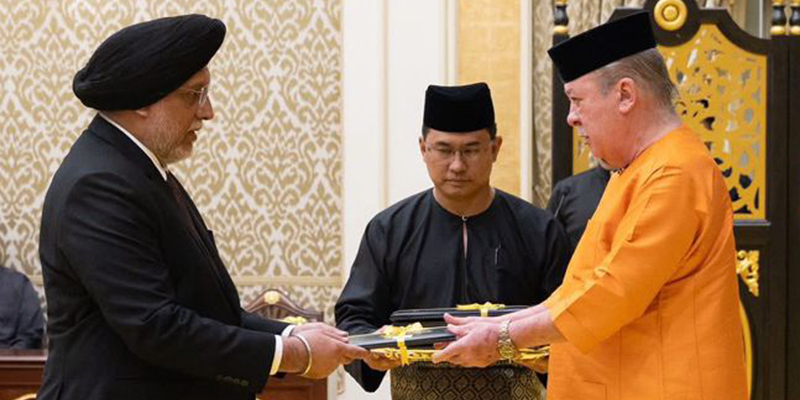
Amarjeet Singh receiving his instruments of appointment as Court of Appeal judge from His Majesty Sultan Ibrahim, King of Malaysia at Istana Negara on April 21, 2026
By Asia Samachar | Malaysia |
Amarjeet Singh Serjit Singh has been elevated to the Court of Appeal, making him the senior most Sikh sitting judge in Malaysia.
Amarjeet, 63, moved from the Attorney-General’s Chambers (AGC) to the judiciary in May 2019 when he was appointed as a Judicial Commissioner, and later elevated as a High Court Judge in April 2022.
He received his instruments of appointment along with 13 other judges from His Majesty Sultan Ibrahim, King of Malaysia at Istana Negara, in Kuala Lumpur yesterday (April 21).
His Majesty Sultan Ibrahim, King of Malaysia, on April 21 granted an audience and presented the instruments of appointment to 14 judges at Istana Negara, in Kuala Lumpur. Topping the list were Ravinthran Paramaguru and Azmi Ariffin who were made Federal Court judges.
Prior to joining the judiciary, Amarjeet headed the civil division at Attorney-General’s Chambers (AGC).
Join the conversation on this story on Asia Samachar’s Facebook and Instagram pages.
ASIA SAMACHAR is an online newspaper for Sikhs / Punjabis in Southeast Asia and beyond. You can leave your comments at our website, Facebook, Twitter, and Instagram. We will delete comments we deem offensive or potentially libelous. You can reach us via WhatsApp +6017-335-1399 or email: asia.samachar@gmail.com. For obituary announcements, click here
A new Panjabi-language telemovie, Gym Da Pyar, is set to premiere on Malaysia’s TV2 on April 22 at 3:00pm, offering audiences a blend of humour, romance and cultural reflection.
Directed by Mansher Singh, known for Mundey Kampung Dey, the film presents a light-hearted yet layered story centred on relationships across cultural boundaries. It will also be available for streaming on the RTM Klik app.
Gym Da Pyar follows Simran, a Punjabi gym trainer, and Abbey, a Nigerian TVET lecturer based in Kuala Lumpur. What begins as a simple friendship gradually develops into a more complex emotional journey shaped by cultural differences, family expectations and personal dilemmas.
The telemovie features Abbey Abimbola in his debut role in a Punjabi-language production, alongside Navinder Kaur, Chamkaur Singh, Sarabjit Kaur, Nipun Chabbra and Anwaar Beg Moghal.
Chamkaur Singh in Panjabi telemovie Gym Da Pyar
Produced by Mansher Singh and Manjit Maan under Xtreme Studios, the film combines comedy with multiple plot twists aimed at keeping viewers engaged while addressing deeper social themes.
The filmmaker said the story does not advocate for Punjabi women marrying outside their community. Instead, it is positioned as a narrative grounded in cultural sensitivity, highlighting values such as mutual respect, understanding and unity.
Viewers who miss the television broadcast can watch Gym Da Pyar on demand via RTM Klik.
Join the conversation on this story on Asia Samachar’s Facebook and Instagram pages.
ASIA SAMACHAR is an online newspaper for Sikhs / Punjabis in Southeast Asia and beyond. You can leave your comments at our website, Facebook, Twitter, and Instagram. We will delete comments we deem offensive or potentially libelous. You can reach us via WhatsApp +6017-335-1399 or email: asia.samachar@gmail.com. For obituary announcements, click here
A poetry competition participant in the Vaisakhi Mela 2025 – Photo: SKA
By Asia Samachar | Singapore |
Sikh organisations across Singapore are coming together to stage Vaisakhi Mela 2026, with a programme that spans recognition of student achievement, celebration of Sikh athletes and para-athletes, and a dedicated outreach segment for migrant workers.
Held at the Singapore Khalsa Association (SKA), the two-day event over the weekend (April 25 and 26) carries the theme “United in Purpose, Aligned in Service”.
Vaisakhi (also spelt Vesakhi), one of the most significant festivals in the Sikh calendar, marks the founding of the Khalsa in 1699. In Singapore, it has grown into a key cultural platform that brings together communities while reinforcing shared values.
“This year’s Vesakhi Mela reflects a meaningful coming together of our institutions. The theme represents how we are working collectively to serve the community and strengthen our shared identity,” said organising committee chairperson Ranjit Singh.
A central highlight is the Sikh Excellence Awards, which will be presented in the presence of Denise Phua, Mayor of Central Singapore District and Member of Parliament for Jalan Besar GRC.
The awards recognise top Sikh students from the 2025 national examinations, alongside athletes and para-athletes who have represented Singapore at regional and international competitions, including the Southeast Asian Games.
Beyond recognition, the mela places strong emphasis on inclusivity. A specially curated programme on April 26 will engage migrant workers, providing them with an opportunity to take part in Vaisakhi celebrations alongside the wider community.
Organisers say the event is designed to be accessible to all Singaporeans, with non-Sikh participants encouraged to attend and experience the festival.
The mela’s programme includes the Sabyachar Semagam cultural showcase, featuring traditional music and dance, alongside Bhangra and heritage performances. Other activities include a Punjabi poetry competition, sports tournaments such as football, netball and badminton, as well as health and wellness initiatives and community outreach efforts.
“We want Vaisakhi to be experienced by everyone,” Ranjit added.
With its expanded programming and multi-institutional backing, Vaisakhi Mela 2026 reflects a broader effort to deepen engagement, strengthen cohesion and position the celebration as both a cultural milestone and a platform for community-building in Singapore.
Join the conversation on this story on Asia Samachar’s Facebook and Instagram pages.
ASIA SAMACHAR is an online newspaper for Sikhs / Punjabis in Southeast Asia and beyond. You can leave your comments at our website, Facebook, Twitter, and Instagram. We will delete comments we deem offensive or potentially libelous. You can reach us via WhatsApp +6017-335-1399 or email: asia.samachar@gmail.com. For obituary announcements, click here
ASIA SAMACHAR is an online newspaper for Sikhs / Punjabis in Southeast Asia and beyond. You can leave your comments at our website, Facebook, Twitter, and Instagram. We will delete comments we deem offensive or potentially libelous. You can reach us via WhatsApp +6017-335-1399 or email: asia.samachar@gmail.com. For obituary announcements, click here
AT THE LAUNCH (L-R): Chris Chan, Jawhar, Sarjit Singh Sekhon, Pola Singh, Vanu Gopala Menon, Justpall Singh, Bhaskaran and Asmat Kamaludin – Photo: Supplied / Asia Samachar
By Asia Samachar | Malaysia |
Former Malaysian civil servant Dr Pola Singh introduced his third book, Reflections: Lessons from a Fulfilled Journey, at a Panjabi restaurant in Kuala Lumpur on April 7, in a relaxed gathering that brought together close friends and family for a conversation and reflection.
The event at Jai Hind was deliberately intimate, limited to just 25 guests. Guests mingled easily, exchanging stories and insights with the author in a space that felt more like a family gathering than a formal event.
Singapore’s High Commissioner to Malaysia Vanu Gopala Menon praised Pola’s journey from humble beginnings in Melaka to a life of professional success and environmental advocacy, particularly his work preserving Bukit Kiara’s green spaces. He noted that Pola’s late parents would have taken immense pride in his achievements.
Among the guests were Perodua chairman Asmat Kamaludin, SeniorsAloud founder Lily Fu and International Studies (ISIS) Malaysia former chairman Mohamed Jawhar Hassan.
Pola studied economics at Universiti Malaya and joined the Malaysian Diplomatic Administrative Officers (PTD) service in 1972. Two decades later, he joined the Economic Planning Unit (EPU) in the Prime Minister’s Department, where he served for more than seven years. After taking an optional retirement before turning 50, Pola returned to the civil service in 2019 as director-general of the Maritime Institute of Malaysia (MIM), a policy institute parked under the Transport Ministry.
His first two books are ‘Uphill — The Journey of a Sikh-Chinese Kampung Boy’ and ‘Reflections of Life.’
Join the conversation on this story on Asia Samachar’s Facebook and Instagram pages.
ASIA SAMACHAR is an online newspaper for Sikhs / Punjabis in Southeast Asia and beyond. You can leave your comments at our website, Facebook, Twitter, and Instagram. We will delete comments we deem offensive or potentially libelous. You can reach us via WhatsApp +6017-335-1399 or email: asia.samachar@gmail.com. For obituary announcements, click here
ASIA SAMACHAR is an online newspaper for Sikhs / Punjabis in Southeast Asia and beyond. You can leave your comments at our website, Facebook, Twitter, and Instagram. We will delete comments we deem offensive or potentially libelous. You can reach us via WhatsApp +6017-335-1399 or email: asia.samachar@gmail.com. For obituary announcements, click here
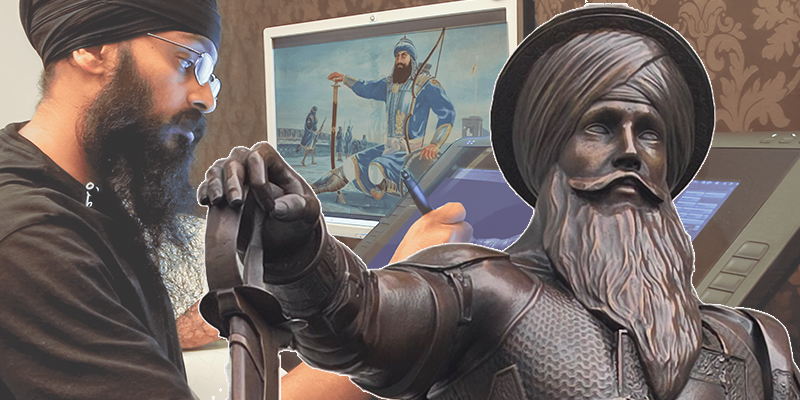
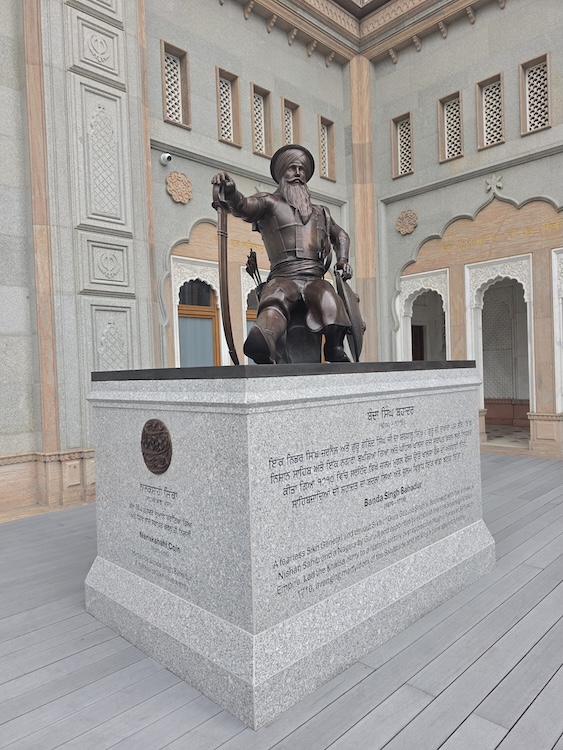
Artist Taranjit Singh who worked on the Banda Singh Bahadur statue unveiled in Gravesend in Kent, England, on April 17, 2026 – Photo: Supplied
By Asia Samachar | Britain |
Britain’s Sikh community marked a historic milestone on April 17 with the unveiling of a three-metre bronze statue of Banda Singh Bahadur in Gravesend, southeastern England.
The ceremony at the Guru Nanak Durbar Gurdwara honoured the 18th-century warrior-saint and disciple of Guru Gobind Singh, who is widely remembered for establishing the first Sikh sovereign rule in parts of northern India and challenging Mughal authority.
The project brought together scholarship and artistry, with Sikh historian Gurinder Singh Mann and artist Taranjit Singh leading the design and execution. The statue stands as one of the most prominent public tributes to Banda Singh Bahadur in the UK.
The unveiling was conducted by former gurdwara president Ajaib Singh Cheema, while current president Inderpall Singh Sall addressed the gathering. Proceedings were enriched by a traditional Dhadi Jatha performance, narrating Banda Singh Bahadur’s legacy through ballad and accompanied by the resonant beats of the nagara.
Banda Singh Bahadur statue unveiled in Gravesend in Kent, England, on April 17, 2026 – Photo: Supplied
Gurinder, the historian-director of the Sikh Museum Initiative, said the statue stands not only as a testament to Banda Singh Bahadur’s bravery and leadership, but as a reminder of the enduring values of justice, equality and resilience.
For Taranjit Singh, the project also marked a convergence of heritage and innovation. He noted that advanced 3D technologies were used in developing the sculpture, enabling a contemporary presentation of a historic figure.
ASIA SAMACHAR is an online newspaper for Sikhs / Punjabis in Southeast Asia and beyond. You can leave your comments at our website, Facebook, Twitter, and Instagram. We will delete comments we deem offensive or potentially libelous. You can reach us via WhatsApp +6017-335-1399 or email: asia.samachar@gmail.com. For obituary announcements, click here