UA-56202873-1
Page 393

What To Watch: ‘Shtisel’ takes you into another world

1
Shtisel
By Movie Walla OPINION  |

The men spot beards and have headgears. Many of then have sidelocks. The women cover their hair and dress modestly. No, this is not a scene from Punjab.

Israeli television drama series “Shtisel” will acquaint you with the way of life of a fictional ultra-Orthodox Jewish family living in Jerusalem. If you’re curious about how different religious communities live, then this three-season drama will get your hooked.

There is no sex and very little violence. Instead, the series provides you a window into the life of these ultra-Orthodox Jews – their ways and their struggles.

The power of “Shtisel” is in demystifying religious orthodoxy as we follow the lives of Shulem Shtisel (Doval’e Glickman), a bearded, pious yeshiva teacher, and his artistic, disappointing and unwed son, Akiva (Michael Aloni). Theirs is a black-hatted world of matchmakers, holy men, strong women, crowded apartments, prying neighbors, adultery, pride and the sense that the temptations and moral equivocations of the larger world are encroaching, observed Los Angeles Times.

The show’s center of gravity is the father-son relationship between Shulem and Akiva, who are usually seen sitting around their cramped kitchen table, with its waxy tablecloth, eating sliced vegetables in their shirtsleeves and prayer shawls, captures another review of the series now available at Netflix.

The show also introduces us to many facets of the Ultra-Orthodox community known as Haredi. This includes a group that does nothing else but pray and study the Torah. These are adults who don’t engage in full time work other than attending religious classes. The yeshiva (seminary) going students are exempted from compulsory military service. They are like most Haredis: poor and reliant on government subsidies. You can imagine the potential political impact of these issues. But the show is not about Israeli politics.

Catch the little things they do. That will be part of the fun in watching this series.

For example, you will find them touching reverently something at the door when they enter a home or walk into a room. That’s a mezuzah, a small case affixed to the doorframe of each room in Jewish homes and workplaces. It contains a tiny scroll of parchment inscribed with a prayer. It is customary for religious Jews to touch the mezuzah every time they pass through a door and kiss the fingers that touched it. Some secular Jews treat the mezuzah as a good luck charm.

There are a number of other interesting actions that may attract your attention. So, keep your eyes open. But do mind the billowing smoke. A number of the central characters are heavy smokers. Beyond the smoke, Shtisel is definitely going to be worth your time.


RELATED STORY:

1984: What a Different World Teaches Us (Asia Samachar, 12 June 2019)


ASIA SAMACHAR is an online newspaper for Sikhs / Punjabis in Southeast Asia and beyond. Facebook | WhatsApp +6017-335-1399 | Email: editor@asiasamachar.com | Twitter | Instagram | Obituary announcements, click here |

Another Johor gurdwara starts distributing free breakfast

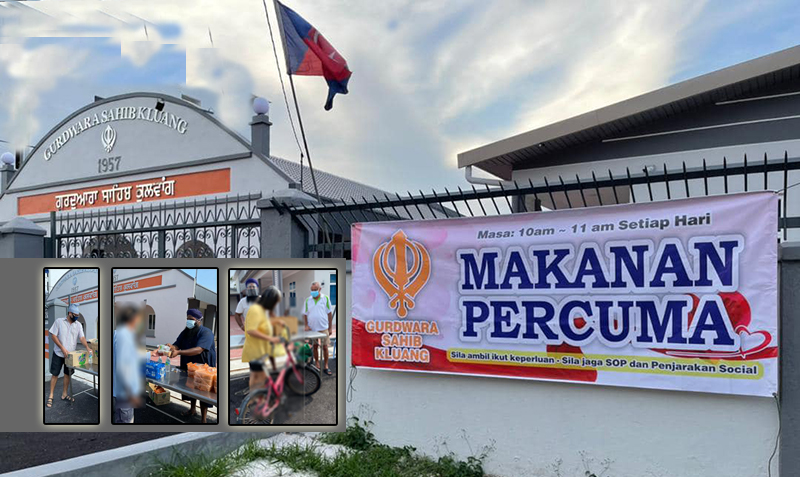
Kluang gurdwara provide free breakfast during Covid-19 pandemic
By Asia Samachar MALAYSIA  |

Another gurdwara in the Malaysian state of Johor has begun distributing free breakfast for those impacted by the Covid-19 pandemic. Kluang joins Muar in making available cooked meals.

On Tuesday (8 July), Gurdwara Sahib Kluang (GSK) distributed 60 packets of cooked food. The next day, they bumped it up to 80 packets.

“This is our little effort to assist those who may need a helping hand. The response has been good,” GSK committee president Mandev Singh told Asia Samachar. The packed food is stacked at the gurdwara’s main entrance gate around 10am.

In this latest round of pandemic-related lockdown, Gurdwara Sahib Muar began the first gurdwara to provide free cooked meals to the needy. They displayed ‘Makanan Percuma’ (Free Food) poster in front of the gurdwara.

Kluang did the same. However, unlike Muar, Kluang gurdwara has catered the food as their gurdwara building, including its Langgar Hall (Communal Kitchen), is at the tail-end of a renovation that began in January 2020.

“We ordered the packed food as we cannot cook at the gurdwara yet. Our renovation is 90% complete. The total cost is about RM1.3 million, and we have about RM300,000 shortfall,” he said.

This is the first major renovation for the present gurdwara building which was completed in 1957. The original gurdwara was built in the 1930s at another plot of land.

The Kluang gurdwara also serves around 40 Sikh families, including from neighbouring areas like Simpang Renggam, Paloh, Machap, Air Hitam and Kahang.

When contact, Gurdwara Sahib Muar committee president Bhagwan Singh said the gurdwara’s efforts to provide cooked breakfast is still going strong, with around 200 packets being made available daily.

Various other gurdwaras and Sikh outfits have been delivering cooked food, food rations and other necessities since the Covid-19 pandemic impacted some segments of the community. Similar assistance has been seen in neighbouring Singapore and other nations around the world.


RELATED STORY:

Muar gurdwara nasi goreng packs snapped up within an hour (Asia Samachar, 2 July 2021)

Sikh group feeds 150,000 stranded US citizens (Asia Samachar, 6 July 2021)

Are Malaysian gurdwaras doing enough in this pandemic? (Asia Samachar, 26 June 2021)


ASIA SAMACHAR is an online newspaper for Sikhs / Punjabis in Southeast Asia and beyond. Facebook | WhatsApp +6017-335-1399 | Email: editor@asiasamachar.com | Twitter | Instagram | Obituary announcements, click here |

Relevance of Guru Granth in present era

2

By Dr. Devinder Pal Singh OPINION  |

We are living in a world full of turmoil and tribulations. At the dawn of the twenty-first century, humanity is facing severe challenges to its very existence. The ever-increasing environmental pollution and the prevalence of large-scale corruption at all levels in society threaten its ecological and social fabric.

The monsters of drug menace and Covid-19 pandemic are trying to snuff out the very life-breath of human beings. Moreover, the rise of terrorism and the political rivalries among nations are threatening world peace. In such a dismal state of affairs, the clouds of destruction are looming large over humankind. But, there is a ray of hope in the form of Sri Guru Granth Sahib (SGGS) for the salvation of humanity from its present ills.

SGGS [1-4], a unique religious and philosophical treatise, is a sublime blueprint for establishing a reign of peace and prosperity on Earth. It contains many divine messages unmistakably addressed to all humanity, which remain uniquely significant for all times and have a crucial relevance to the contemporary times.

ENVIRONMENTAL CONCERNS

During the present time, modern industrial civilization is colliding violently with our mother Earth’s ecological system with horrid consequences. Global warming, Green House Effect, Depletion of Ozone Layer, Deforestation, Soil Erosion, Pollution (Air, Water, Soil, Noise and Radioactive) make mother Earth sick day by day. If not checked and treated in time, she may become a lifeless desert incapable of supporting life [5-6].

In SGGS, Man and Nature are no more seen as external to each other, being involved in an inter-dependent relationship, reciprocally conditioning the life of each other. Guru Nanak stresses this kind of relationship in his composition ‘Jap(u)’;

ਪਵਣੁ ਗੁਰੂ ਪਾਣੀ ਪਿਤਾ ਮਾਤਾ ਧਰਤਿ ਮਹਤੁ॥ ਦਿਵਸੁ ਰਾਤਿ ਦੁਇ ਦਾਈ ਦਾਇਆ ਖੇਲੈ ਸਗਲ ਜਗਤੁ॥

Pavaṇ gurū pāṇī piṯā māṯā ḏẖaraṯ mahaṯ. Ḏivas rāṯ ḏu▫e ḏā▫ī ḏā▫i▫ā kẖelai sagal jagaṯ.

Air is the vital force, Water the progenitor, the vast Earth is the mother of all, Days and Nights are nurses, fondling all creation in their lap. (Mehl 1, SGGS, p 8)

SGGS places a great deal of spiritual significance on the lessons we can learn directly from Nature. According to SGGS: Earth teaches us patience and renunciation; Sky teaches us equality and broadmindedness; Sun teaches us love for all; Air teaches us mobility and compassion; and Fire teaches us warmth and courage. This emphasis comes out clearly in the following hymns;

ਚੰਦਨ ਅਗਰ ਕਪੂਰ ਲੇਪਨ ਤਿਸੁ ਸੰਗੇ ਨਹੀ ਪ੍ਰੀਤਿ ॥ ਬਿਸਟਾ ਮੂਤ੍ਰ ਖੋਦਿ ਤਿਲੁ ਤਿਲੁ ਮਨਿ ਨ ਮਨੀ ਬਿਪਰੀਤਿ ॥

Cẖanḏan agar kapūr lepan ṯis sange nahī parīṯ. Bistā mūṯar kẖoḏ ṯil ṯil man na manī biprīṯ.

Earth neither loves Sandalwood, aloe, or camphor paste nor does it mind if someone digs it up bit by bit or applies manure and urine to it.

ਊਚ ਨੀਚ ਬਿਕਾਰ ਸੁਕ੍ਰਿਤ ਸੰਲਗਨ ਸਭ ਸੁਖ ਛਤ੍ਰ ॥ ਮਿਤ੍ਰ ਸਤ੍ਰੁ ਨ ਕਛੂ ਜਾਨੈ ਸਰਬ ਜੀਅ ਸਮਤ ॥

Ūcẖ nīcẖ bikār sukariṯ saʼnlgan sabẖ sukẖ cẖẖaṯar. Miṯar saṯar na kacẖẖū jānai sarab jī▫a samaṯ.

The comforting canopy of the sky stretches evenly overall, without considering them high or low, good or bad. It does not distinguish between friends and enemies. For it, all beings are alike.

ਕਰਿ ਪ੍ਰਗਾਸੁ ਪ੍ਰਚੰਡ ਪ੍ਰਗਟਿਓ ਅੰਧਕਾਰ ਬਿਨਾਸ ॥ ਪਵਿਤ੍ਰ ਅਪਵਿਤ੍ਰਹ ਕਿਰਣ ਲਾਗੇ ਮਨਿ ਨ ਭਇਓ ਬਿਖਾਦੁ ॥

Kar pargās parcẖand pargati▫o anḏẖkār binās. Paviṯar apviṯrėh kiraṇ lāge man na bẖa▫i▫o bikẖāḏ.

Blazing with its dazzling light, the sun rises and dispels the darkness. Touching both the pure and the impure, it harbours no hatred to any.

ਸੀਤ ਮੰਦ ਸੁਗੰਧ ਚਲਿਓ ਸਰਬ ਥਾਨ ਸਮਾਨ ॥ ਜਹਾ ਸਾ ਕਿਛੁ ਤਹਾ ਲਾਗਿਓ ਤਿਲੁ ਨ ਸੰਕਾ ਮਾਨ ॥

Sīṯ manḏ suganḏẖ cẖali▫o sarab thān samān. Jahā sā kicẖẖ ṯahā lāgi▫o ṯil na sankā mān.

The calm and fragrant wind gently blows upon all places alike. It touches all the things wherever these are, without even a bit of hesitation.

ਸੁਭਾਇ ਅਭਾਇ ਜੁ ਨਿਕਟਿ ਆਵੈ ਸੀਤੁ ਤਾ ਕਾ ਜਾਇ ॥ ਆਪ ਪਰ ਕਾ ਕਛੁ ਨ ਜਾਣੈ ਸਦਾ ਸਹਜਿ ਸੁਭਾਇ॥

Subẖā▫e abẖā▫e jo nikat āvai sīṯ ṯā kā jā▫e. Āp par kā kacẖẖ na jāṇai saḏā sahj subẖā▫e.

Whoever someone comes close to the fire, his/her cold is taken away without considering his/her being good or bad. It does not know to differentiate between beings. It always has the same nature. (Mehl 5, SGGS, p 1018)

SGGS teaches us the importance of living in harmony with Nature. The concept of humans and Nature’s interrelatedness places a tremendous responsibility on all of us to protect Earth and its ecosystem. The eternal message of SGGS is that we should love mother Earth and Nature [5]. Therefore, it is highly relevant to the contemporary environmental concerns. Also, it is unequivocal in inspiring the whole of humanity towards this cause.


MENACE OF CORRUPTION

The prevalence of large-scale corruption in modern society is a great social evil. The fundamental message of SGGS is the concept of social responsibility. The socio-spiritual welfare of humanity is one of its central concerns. Gurbani describes this world as ‘Dharamsal’ (an abode of righteousness). Its objective is the creation of a new egalitarian social order, with an emphasis on work ethics.

The core of the teaching of SGGS is Nam Japna (Contemplation on God), Kirt Karni (the honest labour) and Wand Chhakna (sharing of the earnings). It proclaims:

ਘਾਲਿ ਖਾਇ ਕਿਛੁ ਹਥਹੁ ਦੇਇ ॥ ਨਾਨਕ ਰਾਹੁ ਪਛਾਣਹਿ ਸੇਇ ॥

Gẖāl kẖā▫e kicẖẖ hathahu ḏe▫e. Nānak rāhu pacẖẖāṇėh se▫e.
He, who earns his living by honest work and shares his earnings with others, has discovered the path of righteousness, says Nanak. (Mehl 1, SGGS, p 1245)

Thus SGGS lays a great emphasis on human endeavour and honest labour. SGGS commands the Sikhs to keep the social environment clean by avoiding the company of power mongers, evildoers and slanderers. It lays great stress on good conduct in worldly affairs as it enunciates:

ਸਚਹੁ ਓਰੈ ਸਭੁ ਕੋ ਉਪਰਿ ਸਚੁ ਆਚਾਰੁ ॥

Sacẖahu orai sabẖ ko upar sacẖ ācẖār.

Truth is the greatest virtue, but more remarkable is truthful living. (Mehl 1, SGGS, p 62)

It condemns living by exploitation, bribery and corruption. It asserts:

ਹਕੁ ਪਰਾਇਆ ਨਾਨਕਾ ਉਸੁ ਸੂਅਰ ਉਸੁ ਗਾਇ ॥

Hak parā▫i▫ā nānkā us sū▫ar us gā▫e.    

To deprive others of their rights ought to be avoided as carefully as the Muslims avoid pork and the Hindus consider beef as a taboo. (Mehl 1, SGGS, p 141)    

It exhorts Sikhs to avoid malpractices.

ਲਬੁ ਕੁਤਾ ਕੂੜੁ ਚੂਹੜਾ ਠਗਿ ਖਾਧਾ ਮੁਰਦਾਰੁ ॥

Lab kuṯā kūṛ cẖūhṛā ṯẖag kẖāḏẖā murḏār.

A greedy person is like a dog; a liar is like a filthy street-sweeper. Cheating is eating a rotting carcass. (Mehl 1, SGGS, p 15)

Gurbani emphasizes that for a Sikh, the exploitation of others is like eating a dead man’s flesh. Therefore, the Sikhs are counselled to lead a life of contentment and respect the person, property and dignity. These social ideals of SGGS can help eradicate corruption and other malpractices from our society.

DRUGS ABUSE AND COVID-19 PANDEMIC

Presently, human society is suffering from the various ill effects of the widespread abuse of intoxicants and narcotics. The demon of drugs abuse has taken a firm hold on young people, giving rise to various social and physical ills. Moreover, the overexposure to unethical soap operas, obscene pop music and materialistic culture has led to the growth of adulterous relationships. Thus, it has caused a severe setback to the physical, moral and spiritual health of society. Consequently, the curse of Covid-19 pandemic and drug abuse is taking its toll on humans.

But, even in this field, SGGS is capable of providing us with a beacon. It proclaims;

ਬਾਬਾ ਹੋਰੁ ਖਾਣਾ ਖੁਸੀ ਖੁਆਰੁ ॥ ਜਿਤੁ ਖਾਧੈ ਤਨੁ ਪੀੜੀਐ ਮਨ ਮਹਿ ਚਲਹਿ ਵਿਕਾਰ॥

Bābā hor kẖāṇā kẖusī kẖu▫ār. Jiṯ kẖāḏẖai ṯan pīṛī▫ai man mėh cẖalėh vikār.

Friend, all that food and pleasures are vain, which fill the mind with Evil and make the body writhe in pain. (Mehl 1, SGGS, p 16)

Thus SGGS warns about the ill effects of the usage of intoxicants and narcotics. Therefore, the Sikhs are forbidden from taking these. Gurbani enunciates:

ਦੁਰਮਤਿ ਮਦੁ ਜੋ ਪੀਵਤੇ ਬਿਖਲੀ ਪਤਿ ਕਮਲੀ ॥

Ḏurmaṯ maḏ jo pīvṯe bikẖlī paṯ kamlī.

Those who drink the wine of vice, their mind is turned. (Mehl 5, SGGS, p 399)

The duties related to chastity and fidelity are enjoined to regulate marital relations and to ensure respect for fidelity in the family and avoidance of adultery. SGGS proclaims;

ਪਰ ਦਾਰਾ ਪਰ ਧਨੁ ਪਰ ਲੋਭਾ ਹਉਮੈ ਬਿਖੈ ਬਿਕਾਰ॥ ਦੁਸਟ ਭਾਉ ਤਜਿ ਨਿੰਦ ਪਰਾਈ ਕਾਮੁ ਕ੍ਰੋਧੁ ਚੰਡਾਰ॥

Par ḏārā par ḏẖan par lobẖā ha▫umai bikẖai bikār. Ḏusat bẖā▫o ṯaj ninḏ parā▫ī kām kroḏẖ cẖandār.
To covet others’ wives, desire others’ wealth, having greed and egotism is sinful; shun the evil passions, slandering, lust and anger. (Mehl 1, SGGS, p 1255)

ਕਾਮੁ ਕ੍ਰੋਧੁ ਕਾਇਆ ਕਉ ਗਾਲੈ ॥

Kām kroḏẖ kā▫i▫ā ka▫o gālai.

Lust and anger waste the body away. (Mehl 1, SGGS, p 932)

Thus by imbibing the ethical principles of SGGS, our society can get rid of the evils of intoxicants, narcotics and drugs abuse. Even the monster of a pandemic can be controlled and eventually destroyed by its healing touch.

WAR, TERRORISM AND WORLD PEACE

In modern times, man is very well equipped intellectually and materially. Yet, the class conflicts among people and struggle for supremacy among different nations, the world over, are still raging. Consequently, several nations are at war with each other, giving rise to terrorism and misery for humanity.

SGGS tells us that the Haumain (egoistic consciousness) is the cause of man’s all problems and limitations. It is the root cause of the entire conflict between man and man, between one society and the other, and between one nation and the other. The altruistic tendencies developed in man as the result of cultural conditioning over the years are only superficial. The moment the struggle for existence becomes keen, the basic self-centeredness of man comes into play. Thus start all conflicts of man, social as well as national and international. SGGS emphasizes that man is capable of transcending this ego-consciousness. The remedy is to develop a higher consciousness by linking one’s consciousness with God, Naam, or the Basic Consciousness. The Guru proclaims;

ਹਉਮੈ ਦੀਰਘ ਰੋਗੁ ਹੈ ਦਾਰੂ ਭੀ ਇਸੁ ਮਾਹਿ ॥ ਕਿਰਪਾ ਕਰੇ ਜੇ ਆਪਣੀ ਤਾ ਗੁਰ ਕਾ ਸਬਦੁ ਕਮਾਹਿ ॥

Ha▫umai ḏīragẖ rog hai ḏārū bẖī is māhi. Kirpā kare je āpṇī ṯā gur kā sabaḏ kamāhi.

Ego is a chronic disease, but it contains its cure as well. If the Lord grants His Grace, one acts according to the Teachings of the Guru’s Sabd.  (Mehl 2, SGGS, p 466)

Treating all human beings as spiritually one and ethnically equal, notwithstanding their different religious backgrounds, is the prerequisite for maintaining a harmonious relationship between other communities and nations. If we want the world to be set free from the siege of distrust and disharmony, oppression and violence and the reign of terrorism, we have to see others as our brothers and sisters [6]. We need to discover how to affirm our own identity without threatening the identity of others. SGGS advocates:

ਭੈ ਕਾਹੂ ਕਉ ਦੇਤ ਨਹਿ ਨਹਿ ਭੈ ਮਾਨਤ ਆਨ ॥

Bẖai kāhū ka▫o ḏeṯ nėh nėh bẖai mānaṯ ān.

Neither threaten others, nor be afraid of anyone. (Mehl 9, SGGS, p 1427)

It vouches for the spirit of universality as;

ਨਾ ਕੋ ਬੈਰੀ ਨਹੀ ਬਿਗਾਨਾ ਸਗਲ ਸੰਗਿ ਹਮ ਕਉ ਬਨਿ ਆਈ ॥

Nā ko bairī nahī bigānā sagal sang ham ka▫o ban ā▫ī.
None is my enemy, and none is a stranger. I am in accord with everyone. (Mehl 5, SGGS, p 1299)

The ideals of the Universal Fraternity of humankind and the Universal Parenthood of the one and only Creator as laid down in SGGS are of fundamental importance to settle all conflicts of humans.

ਏਕੁ ਪਿਤਾ ਏਕਸ ਕੇ ਹਮ ਬਾਰਿਕ॥

Ėk piṯā ekas ke ham bārik ṯū merā gur hā▫ī.

One True Lord is the father of all, and we are His children. (Mehl 5, SGGS, p 611)

The idea of God’s love for all beings teaches us to value others in their otherness. It makes love for God the sine qua non factor for humanity and seeks the expression of this love through Seva (philanthropic activities). Thus, by imbibing the ethical values enshrined in SGGS, society can be ameliorated.

CONCLUSION

The philosophy projected in SGGS focuses on creating a just, liberal, universal and altruistic social order. It is committed to promoting mutual love, striving for high moral conduct, social equality and peaceful co-existence worldwide. These basic principles are highly relevant to contemporary concerns.


References

  1. Sri Guru Granth Sahib, (SGGS), 1983 (Reprint), S.G.P.C., Amritsar, India
  2. Sahib Singh, Guru Granth Darpan
  3. Sant Singh Khalsa, English translation of SGGS
  4. Search Gurbani (click here)
  1. P. Singh, Science and Sikhism – Conflict or Coherence, 2018, Singh Brothers, Amritsar, India
  2. P. Singh, Dharam te Vigyan, 2019. (3rd Ed.), Singh Brothers, Amritsar, India.

Dr. D. P. Singh, M.Sc., Ph.D. is Director, Center for Understanding Sikhism, Mississauga, Ontario, Canada. He is a physicist by training, a teacher by profession and a writer by choice. He specializes in writing on Science, Religion and Environmental topics. Email: c4usikhism@gmail.com

RELATED STORY:

Distinguished administrator and dedicated exponent of Sikh doctrines – Dr. Karminder Singh Dhillon (Asia Samachar, 17 May 2021)

ASIA SAMACHAR is an online newspaper for Sikhs / Punjabis in Southeast Asia and beyond. Facebook | WhatsApp +6017-335-1399 | Email: editor@asiasamachar.com | Twitter | Instagram | Obituary announcements, click here |

Hindutva’s threat to academic freedom – RNS

By Ananya Chakravarti, Purnima Dhavan, Manan Ahmed, Supriya Gandhi, Dheepa Sundaram, Audrey Truschke, and Simran Jeet Singh RELIGION NEWS SERVICE  |

We write as a collective of scholars with a deep and sustained engagement with the religious, cultural, social and political traditions of historical and contemporary India. We became a collective — despite the diversity in our individual specializations and concerns — to highlight a common threat that is being waged against academic freedom and against freedom of speech and thought in the U.S.: Hindutva ideology, otherwise known as Hindu nationalism.

Hindutva is a form of hate little known in most of North America. Distinct from the Hindu faith, Hindutva is a political ideology that dates back roughly 100 years, to the time when British rule in India was being contested. But in recent years, Hindutva has been instrumental in transforming India’s once pluralistic and secular democracy into an ethnonationalist state defined by Hindu supremacy and human rights violations.

Hindutva’s transformation is not for India alone. Hindutva is, and has been for some years, a global phenomenon. Nor is it restricted to the political realm. Stifling speech in Kashmir, in Delhi and elsewhere in India, those who promote the harmful and discriminatory ideology of Hindutva have targeted academics, activists and students who research and teach about South Asia and its history.

The Hindu right has attacked U.S.-based scholars for the past few decades, attempting to dissuade and discredit academic research, and the assaults have intensified recently. In the past year, one historian of South Asia here had his parents “swatted”;another scholar battles a lawsuit by a Hindu group that is a subject of her current research. Others in the field have received violent threats, sometimes prompting police involvement.

Such hate seeks to undermine our genuine, nuanced research, which presents a vision of South Asian history, religions and cultures as multifaceted and pluralistic. In so doing our scholarship undercuts Hindutva’s project to remake India and Indian history.

Fighting back in the name of academic freedom, we formed the South Asia Scholar Activist Collective. Our group comprises scholars, activists and students of South Asian studies and adjacent fields based in North America. We ground ourselves on the twin pillars of a belief in humanities scholarship and a commitment to progressive, inclusive politics.

In an environment in which right-wing forces threaten to erode both knowledge and diversity, which we hold equally dear, we seek to offer each other solidarity and to educate both university communities and the public about our struggles.

Our first act as SASAC is to publish the Hindutva Harassment Field Manual, which contains resources for targets, allies, students and employers who find themselves subjected or witnesses to a Hindutva-led assault.

The manual defines Hindutva and explains how its political ideology is distinct from the broad-based faith tradition of Hinduism. It covers common features of Hindutva attacks, including how such assaults are often coordinated and how Hindutva hate frequently intersects with other prejudices, including misogyny and casteism.

Lastly, it addresses the misappropriation of the language of diversity, decolonization and education by the Hindu right with the aim of promoting homogeny through misinformation.

Some of our members have written before about how the Hindu right uses ideas designed to deconstruct bias to achieve the opposite. But the Hindu right has also made bad-faith claims of bias as a smokescreen to protect its members’ own extreme bias. It is a delicate matter to explain this method of shielding odious politics from criticism, but we refer you to the field manual as a start.

Our very existence as members of SASAC puts us at risk. Many of us know those risks all too well from prior brushes with Hindutva hate that have imperiled us and our families. In an effort to balance security concerns with our desire, as academics and activists, for transparency, we name some of the members of our collective with their permission. Both those named and those unnamed stand in solidarity and with the conviction that knowledge and true inclusion are values well worth defending.

(Ananya Chakravarti, Purnima Dhavan and Manan Ahmed are associate professors of history at Georgetown University, the University of Washington, Seattle and Columbia University, respectively. Supriya Gandhi and Dheepa Sundaram are assistant professors of religious studies at Yale University and the University of Denver, respectively. Audrey Truschke is an associate professor of South Asian history at Rutgers University-Newark. Simran Jeet Singh is a visiting professor at Union Theological Seminary.)

The article first appeared at The Washington Post (7 July 2021). 


ASIA SAMACHAR is an online newspaper for Sikhs / Punjabis in Southeast Asia and beyond. Facebook | WhatsApp +6017-335-1399 | Email: editor@asiasamachar.com | Twitter | Instagram | Obituary announcements, click here |

Going public on sexual abuse at gurdwaras

By Asia Samachar | CANADA  |

Sexual abuse is still a topic few are prepared to discuss openly. And rarer still Sikh organisations.

Few make it known that they are taking action in an alleged sexual abuse case, if and when it does take place. Whey they do take action, they do it quietly. They have their reasons, or so they say.

Just a few weeks ago, one such incident took place in Malaysia. Again, everything was done in a hushed manner.

But a group in Canada have decided to take a different approach. They went public.

On 12 June 2021, the BC Sikhs Facebook page, which is tied to a British Columbia Sikh outfit, released what it called a ‘Public Safety Announcement’. In it, it said that a Sikh teacher and preacher, which it had named, was subject of ‘multiple serious allegations of sexual abuse’ incidences across Canada, the US and India. [Date corrected].

“It is alleged that he took advantage of his position within Gurdwara Sahibs, Gurmat academies and Gurmat camps to victimise individuals who had been learning from him. The victims of the alleged abuse ranged from school-aged youth to young adults and many were completely unknown to each other,” the social media note alleged. It was accompanied by a photo of a Sikh.

This is new – a Sikh group shining public glare to an alleged sexual abuse incident.

It is not known if any other Sikh organisation had openly addressed a fresh sexual abuse incident. A recent case in Washington was in response to a fresh video by the victim, many years after the incident, as the alleged sexual abuse perpetrator was still freely taking part in Sikh activities.

The other open discussion on sexual abuse were in relation to allegations against the famed Sikh preacher and yoga teacher Yogi Bhajan. This involved investigation initiated by his legacy organisation, including the 3HO, after mounting pressure from his former followers. In the limited investigation report released in August 2020, the yoga teacher who died in 2004 was found ‘more likely than not’ to have ‘engaged in sexual battery, other sexual abuse specifically, exposing minors to pornography, sexual harassment, and unethical behavior’.

On the recent Malaysian incident, Asia Samachar understands that the gurdwara committee members had sent away the person said to be involved in an alleged sexual misconduct incident.

“I’m told the committee had packed the person back,” said a source familiar with the incident. We are in the midst of getting more details from the gurdwara concerned.

Speaking to some active committee members of various gurdwaras, Asia Samachar has been made to understand that it is tough to handle such cases.

“At times, the victim’s family may be reluctant to come forward to make a report. They don’t want to put their children under the spotlight. In some cases, you have a segment of the local Sanggat rallying behind the alleged abuser,” said a veteran gurdwara committee member. “So, when an incident like this happens, the local committee will usually pack off the person.”

In the British Columbia incident, the social media entry alleged that the said Sikh preacher took advantage of his position within gurdwaras, Gurmat academies and Gurmat camps to victimise individuals who had been learning from him. The victims of the alleged abuse ranged from school-aged youth to young adults and many were completely unknown to each other.

Upon hearing these allegations, it noted that some gurdwara committees, Gurmat camps and Gurmat academies across Canada have taken precautionary measures to bar him from teaching positions and other positions of power. The note added that the alleged person had returned to Surrey, British Columbia and was currently teaching sangat in an unsupervised setting in the Surrey-Newton neighbourhood.

“As Sangat, we have a duty to uphold the Sikh principles of protecting the vulnerable. As such, the victims’ experiences must be prioritized first and foremost. Allegations of sexual abuse must be taken seriously. For the Sangat’s safety, everyone is encouraged to avoid attending classes or interacting with anyone who has such serious sexual abuse allegations raised against them,” it added.

Keeping the allegations in mind, the note added that funds had been allocated to provide professional and independent counselling services to anyone in the Lower Mainlaind who have been targeted or affected. It also urged anyone who may have been targeted to contact the Surrey police if they want to pursue police action.

On 1 July, the BC Sikh groups then published a follow-up to the initial public safety announcement which included a FAQ on sexual abuse allegations in both English and Panjabi.

In an FAQ, they explained as to why victims may not go to the police earlier. The note advised that questioning this choice (going to the police earlier) puts unfair blame and burden on victims. “Instead, as a sangat, it is our duty to ensure that Singhs and Kaurs of our sangat are safe and supported,” it added.

RELATED STORY:

Yogi Bhajan ‘more likely than not’ raped his followers (Asia Samachar, 15 Aug 2020)


ASIA SAMACHAR is an online newspaper for Sikhs / Punjabis in Southeast Asia and beyond. Facebook | WhatsApp +6017-335-1399 | Email: editor@asiasamachar.com | Twitter | Instagram | Obituary announcements, click here |

How I became part of iconic Penang Bridge project

Jaswendar on the deck of the Penang Bridge mainspanin 1984, a year before it was officially opened – Photo: Supplied
By Jaswendar Kaur | MALAYSIA |

I had just finished High School and while browsing through the local The Star newspaper when I saw an advertisement for a clerical position at the Penang Bridge Project and quickly applied for it.

We did not have a house phone back then. So the office manager Mr Freddie Ng came personally to our house and requested that I go to their site office for an interview.

The next morning, I took the yellow bus to Sungai Nibong, got down opposite Universiti Sains Malaysia in Gelugor and walked to the site office. It was muddy and dangerous as lorries made their way in an out of the site. I looked around, it was not very pleasing and wondered how I would be able to work there.

I asked for directions and the driver who was seated at a small booth pointed to the grey wooden offices to the left. I walked up and found the manager’s office where we talked for about an hour while he explained to me about the project. There were the bridge plans and markings on huge plans of work in progress on his wall and he proudly showed where we were at in 1982. Package 1 and 2 which were groundworks on both Penang and Butterworth side were almost completed.

# LIFE EXPERIENCES: Having an experience that you would like to share? Send us an article (about 300-800 words) and photos. Our email: asia.samachar@gmail.com

I was told that the clerical position was actually a typist job at the Chief Engineer’s office to assist the secretary. She was overloaded with transcribing, typing and handling calls to her office. I was taken to see her and be introduced and I felt a little nervous; this was a happening office and I was to work and assist Anna. Later, I was brought to the Admin room which was larger than Anna’s room.

Here, I was introduced to Mr Kunjappy who was the chief clerk, En Nordin, office supervisor, Ms Emily who was the accountant and Mr Teoh, the general clerk. There were other rooms at the back but we did not go there, it was a conference room and another Engineer’s room. There were 2 blocks of offices for JK Sea/HNTB, a set for Hyundai Engineering offices, another for Malaysian Highway Authority office (LLM). These offices were equipped with furniture, office machines, a pantry and rest rooms.

After seeing all of these, I said goodbye and again took the bus to get back to town. A few days later, the land cruiser driver came by with an offer letter. I had been offered the job and were to wait at 7.30 am the next morning for the driver to pick me up.

Jaswendar posing on the Penang Bridge before it was opened

Our company, JK Sea Sdn Bhd, were partners with Howard Needles (HNTB) from the United States and we followed Malaysian Highway Authority (LLM)’s work schedule.

On Fridays, we broke for lunch at 12.15pm till 2.45 pm just like government employees. Ong took us to town where we spent our time from noon till 2 pm at the shopping malls either window shopping or eating. It looked like we were on the road most of the day but back then, traffic in Penang was not so heavy so we enjoyed the rides. Working half days on Saturdays was not too bad.

Now, let me tell you something on the bridge building from my layman perspective as I am not an engineer. How was the piling done in the big sea you may ask? First, the site was marked by surveyors who adhered strictly to the Specification of Works, then the location was cordoned off by planks of wood. Sea water was pumped out while the sand and mud sucked out so the area was clear for the piling work to begin.

What happened to the sand and mud which was removed from there? Well, it was deposited to the right side of the bridge. Today you see 2 small islands when you drive from Butterworth towards Penang and these islands, over time, have trees growing on them. I am thinking of having picnic at one of the bigger islands on my next trip to Penang. Perhaps get a fishing boat to take me there. However, on my last trip in December 2020, one island had disappeared.

Work on the bridge was done on large barges which could withstand thousands of tonnes of weight. The piling machine, the cement mixer and the workers supervised by the Engineers were all on these barges working day and night to meet their deadline. Once piling was done for one location, it started on other locations and this was repeated. The work was difficult, but these experts made sure it was done correctly, accurately according to the specs laid out by the architects and engineers. Later, both vertical and horizontal beams and columns were placed and attached to each other with tons of scaffolding.

When driving on this bridge for the past 35 years, I’ve always felt proud that I was once working for this project with famous engineers, surveyors, materials technicians, office staff, drivers and our counterparts from South Korea and America.

I proudly give respect and honour to Mr James Lichty (the Chief Engineer), Mr Scanland, Mr Evans, Mr Norman Lozovsky, Mr Liaw, Ir Patrick Huong, Ir Chin, Ir Lim, Ir Poh, Mr Venkatasen, Mr Saw SJ, Mr Sundra, Mimi, Lilian, Karen, Fatimah, James, Hen FW, Arabi, Ong and Lim.

Jaswendar Kaur, born and raised in Penang, now a full-time funny mum after retirement who is busy writing about her experiences and memories. More stories can be read at writer’s website (http://jaswendar.com)


RELATED STORY:

Psychology student Kiranjeet Kaur turns Global Changemaker. What’s that? (Asia Samachar, 11 Aug 2019)


ASIA SAMACHAR is an online newspaper for Sikhs / Punjabis in Southeast Asia and beyond. Facebook | WhatsApp +6017-335-1399 | Email: editor@asiasamachar.com | Twitter | Instagram | Obituary announcements, click here |

Amanpreet takes over HR at Ashok Leyland

Amanpreet Singh Bhatia
By Asia Samachar | INDIA |

Amanpreet Singh Bhatia will steer human resources (HR) at Ashok Leyland, the second largest manufacturer of commercial vehicles in India.

The HR-veteran has been appointed as the company’s president & head for HR. Previously, he was the VP for group HR at parent company Hinduja Group.

With close to three decades of experience in the sector, HR domain behind him, Amanpreet will help drive the people agenda at Ashok Leyland .

He joined the Hinduja Group in Mumbai in December 2019 after a two-year stint as group CHRO at Escorts. Prior to that, he had also worked at VE Commercial Vehicles and Intertek Group.

Ashok Leyland is the third largest manufacturer of buses in the world, and the tenth largest manufacturer of trucks all around the world.

Headquartered in Chennai, India, Ashok Leyland’s manufacturing footprint is spread across the globe with nine plants including one at Ras Al Khaimah (UAE).

RELATED STORY:

HR specialist Sameet takes on bigger role at Schneider Electric (Asia Samachar, 3 July 2021)


ASIA SAMACHAR is an online newspaper for Sikhs / Punjabis in Southeast Asia and beyond. Facebook | WhatsApp +6017-335-1399 | Email: editor@asiasamachar.com | Twitter | Instagram | Obituary announcements, click here |

Nehal Kaur @ Bhagwan Kaur (1932-2021), Ampang

ਸੂਰਜ ਕਿਰਣਿ ਮਿਲੇ ਜਲ ਕਾ ਜਲੁ ਹੂਆ ਰਾਮ ॥ ਜੋਤੀ ਜੋਤਿ ਰਲੀ ਸੰਪੂਰਨੁ ਥੀਆ ਰਾਮ ॥

Sūraj kirṇi milē jal kā jalu hūā rām ॥ Jōtī jōti ralī sampūrnu thīā rām ॥

As the ray blends with the Sun and water becomes water, so merges the human light in the Supreme Light and becomes perfect. (SGGS, 846)

NEHAL KAUR @ BHAGWAN KAUR D/O LATE SARDAR LAB SINGH

(7.4.1932 – 8.7.2021)

Village: Dhaliwal

Husband: Late Sardar Bhag Singh Jethuke

Leaving behind Children, Grandchildren and Great-Grandchildren.

Saskaar / Cremation: Private Ceremony amongst immediate family members.

Contact: Sonia 012 – 660 0254, Pesh 012 – 412 0613

“To a beautiful mother and grandmother, may you now rest in eternal peace.”

Keeping the current SOPs in mind, all funeral affairs will be done within immediate family members. Thank you.


| Entry: 8 July 2021 | Source: Family

ASIA SAMACHAR is an online newspaper for Sikhs / Punjabis in Southeast Asia and beyond. Facebook | WhatsApp +6017-335-1399 | Email: editor@asiasamachar.com | Twitter | Instagram | Obituary announcements, click here |

The God of Einstein, Spinoza and Nanak

2
Baruch Spinoza
By Gurnam Singh | OPINION |

Somebody recently drew my attention to a video which is a narrated transcript of a talk given by Sant Teja Singh at the 8th Congress of World Religions and Peace in 1956 at Shinzo, Japan. Teja Singh was an influential Sikh intellectual and preacher who, unlike most Sikh preachers who were then schooled in religious seminaries in India, was educated at three of the worlds greatest universities, namely. University College London, Columbia University, in New York City, and Harvard University in Boston. Teja Singh preached the universal message of Guru Nanak across the world to Sikh and non Sikh audiences.

There is a lot in the talk, but there is one slide that particularly captured my attention. This is the one where Sant Teja Singh makes reference to Albert Einstein’s assertion that he believed in the ‘God of Spinoza’. The full quote is as follows: “I believe in Spinoza’s god, who reveals Himself in the lawful harmony of the world, not in a god who concerns himself with the fate and the doings of mankind.”

Einstein’s reference to Spinoza is interesting in many ways but particularly so in that one would not immediately connect these characters with a belief in God. Einstein, we all know is the father of modern cosmology known for his rejection of the idea of a theist God.

However, a good scientist, he does not say that God does not exist, just that there is no evidence to prove his existence! Hence he declared himself as an agnostic, or a “religious nonbeliever.” Einstein also stated he did not believe in life after death, adding “one life is enough for me.” And as for the Bible he was very clear in his view that the text represented “an incarnation of primitive superstition.”

As for the Dutch philosopher, Baruch Spinoza, he is considered one of the great exponents in rationalist philosophy of 17th-century philosophy, with a particular interest in biblical criticism and modern conceptions of the self and the universe.

The God of Spinoza does not see any distinction between creator and creation. Put simply, for Spinoza, the divine creator made the whole universe, including the laws of nature, and he then infused himself into the creation. This view is characterised as Pantheism.

The question is, based on this world view, namely, that God and Nature are synonymous, where and how do we see/experience God or the divine? And, given this somewhat impersonal and abstract construction of the divine, what might be the function of worship and prayer?

What we do know is that after setting out his basic conception of the divine entity in the ‘mool mantra’, which is not to dissimilar to Spinoza’s conception, Nanak goes onto critique the 4 main religious practices if the time, namely bathing in holy water, aestheticism, fasting and ritual/rote learning of scriptures.

For Nanak, the only way them to become enlightened is to appreciate the divine nature of things (hukam). This, Nanak says has over the ages been done in many ways, but for Nanak there is something universal about singing the divine compositions of the Saints or ‘Prem Bhagti’.

An important point to note here is that, in locating God in nature, like Spinoza, Nanak is clearly rejecting the idea of an anthropomorphic God entity. That is why when the Naath Yogis asked Nanak to describe his God, he replied that the ‘Shabad’ or divine vibration was his God and his consciousness was the disciple.

Hence, for both Nanak and Spinoza is no place for ritualistic God worship that is characteristic of most/all traditional religions. Though Spinoza doesn’t provide a method for realising his God, one can infer that this would be would not be by prayer but through simple realisation of contemplation on the divinity of all of nature, in the shape, form and function of nature.

Similarly for Einstein, rather than performing religious rituals, realisation of divinity would be through simple observation of the universe around him, to the discovery of mathematical equations and theories unlocking the secrets of the nature and the universe.

One of the tragedies for Sikhs today is that some, perhaps many, have forsaken the amazing critical, radical and reasonable vision of divinity for a rather narrow perspective that reverts back to irrational superstition that Nanak rejected.


[Gurnam Singh is an academic activist dedicated to human rights, liberty, equality, social and environmental justice. He is an Associate Professor of Sociology at University of Warwick, UK. He can be contacted at Gurnam.singh.1@warwick.ac.uk]

* This is the opinion of the writer and does not necessarily represent the views of Asia Samachar.


RELATED STORY:

Science, religion and the Covid-19 crisis (Asia Samachar, 30 May 2020)
 

ASIA SAMACHAR is an online newspaper for Sikhs / Punjabis in Southeast Asia and beyond. Facebook | WhatsApp +6017-335-1399 | Email: editor@asiasamachar.com | Twitter | Instagram | Obituary announcements, click here |

The ‘green’ gurdwara for tomorrow

3
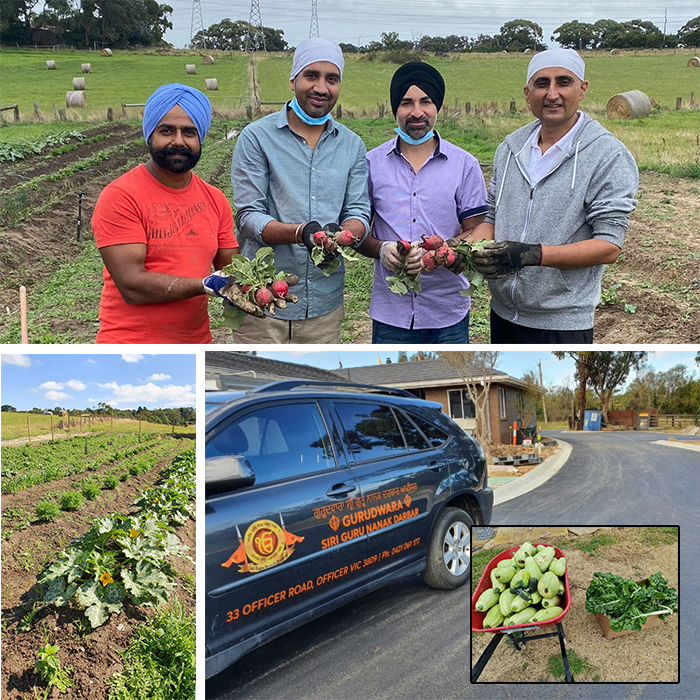
Officer gurdwara
By Dya Singh | OPINION | 

Over the last decade or so, I have talked, and numerous friends have asked me, about my ‘dream’ gurdwara. As I get older and more home-based, I have yearned for a ‘retreat-like’ gurdwara with a rural setting for a start, and on acreage. An environment-friendly, green sanctuary where one can slow down, feel love, friendliness, and acceptance, and perhaps stay for a few days in tranquil surrounds.

We have, globally, the present-day regular urban and suburban gurdwaras, and more will materialize with Guru Ji’s Grace. They carry out an important service for the community.  What we also need are ‘gurdwara retreats’ where now fast-paced city and suburban dwellers can drive out to, and spend some time (maybe a few days) in relaxed surroundings, yet explore the ‘inner self’ or just slow down – a temporary respite for the body and soul from the frantic life that most people lead.

Acreage is important so that there is plenty of space, not only for car parking (a necessary evil these days), but space to build adequate, modest, aesthetic, environment-friendly buildings and other structures which blend into the rural landscape; recreational areas for children and adults, space and structures for walks and exercise; and greenery – trees, bushes and gardens for fruits, herbs, vegetables and flowers. They in turn will encourage birds, butterflies and other fauna.

Eco-consciousnes, environment-friendly and sustainability are important catch-phrases of the day and into the future which means use of water, waste and energy minimization devices (mulching, composting, rain water tanks, solar/wind, fossil-fuel-free energy), only using reusable plastics, organic farming perhaps; further greening where possible; and general sustainability. General sustainability to me means adding more ‘goodness’ as time goes on, not exploitation – of energy, other resources, cleaner environment (richer soil) and even financial-management.

I know of two such initiatives in Malaysia within one hundred kilometres of capital Kuala Lumpur worth mentioning, and which I hope and pray all Malaysian Sikhs will frequent and support.

One is Khalsa Land, the inspiration of the Sikh Naujawan Sabha Malaysia (SNSM) in the region of Kuala Kubu Bharu, less than 100km north of capital Kuala Lumpur. The other is Gurpuri which began as a humble orphanage for Sikh children, extended to assist single mothers from broken homes. It has its base in Kuala Lumpur and now acreage, east of Kuala Lumpur near the township of Bentong. I also know of a sant-dera type gurdwara on acreage near the small town of Machap in Johore state. (I do not know for what purposes that acreage is being used for!)

Australia has one such ‘potential’ gurdwara site at Officer, about 50km south-east of Melbourne, Victoria.

I was prompted to write about this when a close friend from Brisbane, S Diljit Singh rang and asked, “So what has happened to your dream of setting up a ‘Sikh Retreat’?”

This dream of mine did eventuate temporarily as I had the opportunity of acquiring a beautiful property with a running creek on its boundary, but of only two acres. It turned out to be a ‘practice run’. After five years of its existence, I realized that I could not do this alone or even with family. It had to be a ‘sangat’ project – sangat vich barkat (within holy congregation there is abundance). We carried out occasional Sikh services, inter-faith gatherings, Anand Karaj (weddings), Akhand Path (continuous reading of the Guru Granth Sahib over 3 days), birth initiations, child naming ceremonies and so on. I realized that such a project would lack continuity after I was gone or just not able to continue.

Guru Ji provided the answer. A philanthrophic Melbourne-based Gur-Sikh purchased a acreage (20 acres), a farmlet in the district of Officer, and passed it onto the sangat – a group of dedicated volunteers (sewadhar) who needed a ‘gurdwara’. A dedicated Bhai Sahib (Giani Upkar Singh Ji) was assigned to this new gurdwara. He has run the services and done sewa for 3 years now. The dedicated group of volunteers are ‘mainstream’ Sikhs, not involved with any ‘jatha’ or a ‘sant dera’ (gurdwaras usually run by an individual baba/sant or have been built in memory of a baba/sant and run by his descendents and/or followers). Mainstream smagam (services) are carried out besides classes for kirtan and Punjabi mainly for children at this stage.

At present, the resident farmhouse has been refurbished and serves as the gurdwara (Gurudwara Siri Guru Nanak Darbar) with modest accommodation for Bhai Sahib. He resided alone for two years. Now a young tabla exponent (Ustad Harjit Singh) has joined him.

A more spacious low building has now been built serving as kitchen and langar hall. It also doubles as dialogue, screen presentation and lecture space. There are no qualms for chairs at the back of the gurdwara or the Langar Hall for those who need them.

Two containers converted to rooms are used for Punjabi and kirtan classes, and a library is growing.

An aesthetically planned car-park has just been constructed for about 60 cars at present. There is an overflow facility for a further 50-60 cars if needed for larger programmes. Each step of the progress is being well planned out. There is always the fear of a multi-storey gurdwara which is the way most gurdwaras seem to go! In that case the ‘retreat-like’ atmosphere and environment will disappear.

Of great interest to me are a large organic vegetable plot which is already yielding produce for langar and excess for sangat to take home. A tractor has been purchased and it is heart-warming to see Sikh youth and young adults, and even volunteer students from the local college helping in the garden and the surrounds. Local businesses have been generous in providing vegetable seeds and tree seedlings for planting.

A new septic tank is being installed to collect all waste-water to be treated so that it can be recycled for watering plants and trees.

Health consciousness is slowly growing as far as the food and drink (langar) in the premises are concerned. The organisers have even produced a vegetarian recipe book for health-conscious cooking.

This gurdwara has already made into the local news for the ‘greening’ aspect and sewa especially during the pandemic for distributing food for those in need or in lock down due to the pandemic.

There are plans to create a parkarma (walking path) skirting the edge of the property with ‘worms’ running in to create shorter ‘walks’. Benches and other seating logs and stumps will be dotted throughout the ‘walk’. A children’s playground is in the pipeline. Two thousand trees have been planted in the acreage for further greenery.

Kangaroos already frequent the property though they can become a nuisance with the growing abundance of greenery. Bird boxes are being located at prominent sites to encourage more bird-life and with further greening there will be butterflies and other fauna.

A number of other ‘like-minded’ yoga and meditation groups too have started using the facilities for their activities. So long as full respect is accorded to Guru Ji and Guru-Qar, and especially as long as there is no abuse of substances and drugs, and attendees are free of alcohol and meat in the entire area, all are welcome to participate in Sikhi activities or activities approved by the administrators.

A yoga group already has plans to carry out an annual week-long ‘tent and camping retreat’, in the near future.

The potential for such initiatives is immense, but so are the pitfalls. I have seen many good gurdwara visions starting along similar lines, sabotaged by cultish groups who like to push their own agenda of Sikh ‘religion’ instead of considering the stress-freeing and developmental needs especially of our younger generations – especially those born in the diaspora. Here, I believe the acreage and rurality, besides dedicated humble, far-sighted front-line sewadhar (service-orientated administrators) are the key.

Much depends on further development from this point on. Next will be what shape and size the inevitable main ‘functions/smagam’ building will take. If that goes the ‘concrete, multi-storeyed-gurdwara’ way then I feel we have lost the plot. If the administrators decide on buildings which enhance the rural, tranquil, and relaxed ambience, then I will suggest we are moving forward.

Australia has a developing consciousness of the acknowledgement of its original inhabitants who, normally, like in most developing countries on the globe, are pushed aside and acquire fringe dwellers status. The gurdwara boasts, firstly, as is right, a solitary Nishaan Sahib in a prominent spot, but on one side are three flags which stand side by side – The Australian and Australian Aboriginal flags flank the Nishaan Sahib to acknowledge firstly, the Sikh life philosophy, our allegiance to Australia and the custodianship of the original inhabitants of this land. There are considerations of raising a plaque to acknowledge the original inhabitants of this land, in the future.

The green revolution taking place at Officer gurdwara

Guru Ji has given me the blessing to see my own dream materializing. It is a 20-minute drive from my current humble abode. I enjoy coming to this gurdwara and also for kirtan ‘hajri’ which Giani Ji and the administrators lovingly allow me to, and I enjoy the love and affection of Guru Ji radiated through the sangat that attends. This gurdwara reminds me of the gurdwaras of old in my native Malaysia which were small, made of timber, modest in looks but which were welcoming, exuded warmth and love, and relaxed. One felt as if one had come home. As in my formative years, the sangat too is like a big family where everyone is a sewadhar, and acknowledge and love each other.

I see a future where there will be more container-type accommodation scattered throughout the property for those who come for weekend-long activities or just to stay for short periods for reflection, retrospection, simran, meditation, sadhana, dialogues with and counselling sessions with Giani Ji; medical/health information especially for women; youth sessions; Gurbani, gurmatt and kirtan classes, and participating in some form of sewa…or just a cup of cha and read a book in the library!

I can see a multi-purpose, ground floor only, hall aesthetically blended into the ‘green’ environment  which can cater for the occasional large Guruqar divans of about three to four hundred strong sangat; for other spiritual activities like yoga and Simran, and even seminars and inter-faith gatherings. The regular daily Guruqar for daily ‘parkash’ should remain small and cozy to cater for sangat which turns up daily or regular services.

There are enough large gurdwaras catering for crowds for the major programmes like Vesakhi, Diwali and Guru Nanak’s Gurpurab. This ‘retreat’ is not for large crowds but small devoted sadh-sangat and individual or family spiritual nourishment and progress. (This Vesakhi, for example, we had a 100 strong contingent to participate in the Akhand Path and langgar sewa from the opposite side of Melbourne City!)

I can envision a stadium-like area (akhada) for games like football, hockey, gatka demonstrations, annual Hola Mahala Games and other activities of a physical nature.

Currently there is a disused dam with a creek outlet which can be enhanced and greened adding to the beauty of the property and be an added water source. By the way there already are a few large rain-water tanks for water.

Mulching and composting are already taking place. Rubbish is minimized; langar remains are composted; use of plastic is minimized with a view to complete elimination of its use. Containers for taking away excess langar will be re-usable type. Solar panels for energy are envisaged in the long run. Sangat is encouraged to be more conscious about sustainability and eco-friendly methods and to give suggestions on how improvements can be made.

Unfortunately, for such a vision to succeed, besides continuity of the right management, income generation is important. Perhaps larger-scale organic farming and even bees for honey, on a commercially viable basis could be considered for additional income for the property. Mainly it will depend on the support and enthusiasm of the sangat and most importantly Guru Ji’s grace.

My last point, one of great satisfaction to me, is that no elected committee is envisioned to run this ‘green’ gurdwara. Sincere level-minded humble Sewadhar and natural selection on merit by the ‘elders’ for administrators is a system being considered for the future.

So far so good. May Guru Ji save us from the cultists who might have different ideas of what progress is. At present Guru Ji has been kind. Progress is slow and steady and well thought out. The present volunteer administrators and sewadhar, do have a view towards a sustainable future for the property and a sangat which is progressive and who wish to build a centre for the needs of future generations and especially a place which the younger generations are attracted to.

The ‘sangat’ we have at present has to travel a fair distance to get here. So only the dedicated and those who wish to do sewa attend. Their offsprings can not only have an outing and a good time but also learn ‘something’ about Sikhi, Gurmukhi or even learn kirtan and basic Punjabi and basic Sikhi and Sikh history.

Ever jon teri panehari. Is dharti me teri sikdhari. (SGGSp374). Sikh spirit hints that the human is top of the food chain. But with that comes great responsibility as masters of this planet. The resources within, on and around this planet have been gifted only once. If human beings manage them well, they are inexhaustible, but if mismanaged then it could lead to the destruction of humankind.

As Sikhs we need to become part of the solution, not part of the problem.

Footnote: Green Sikh ‘retirement villages’ along similar lines are still a dream, but one which will eventuate as the population in most countries grows older, economic constraints on family units grow more difficult, as family units become smaller and most importantly as eco-consciousness grows. But that is another topic.


Malaysian-born Dya Singh, who now resides in Australia, is an accomplished musician and a roving Sikh preacher. The Dya Singh World Music Group performs full scale concerts on ‘music for the soul’ based on North Indian classical and semi-classical styles of music with hymns from mainly the Sikh, Hindu and Sufi ‘faiths’. He is also the author of SIKH-ING: Success and Happiness. He can be contacted at dyasingh@khalsa.com

* This is the opinion of the writer and does not necessarily represent the views of Asia Samachar.

RELATED STORY:

Corona maha-mari: A period of transformation? (Asia Samachar, 8 April 2020)


ASIA SAMACHAR is an online newspaper for Sikhs / Punjabis in Southeast Asia and beyond. Facebook | WhatsApp +6017-335-1399 | Email: editor@asiasamachar.com | Twitter | Instagram | Obituary announcements, click here |