UA-56202873-1
Page 480

900 days & counting: Jagtar continues to languish in Indian prisons

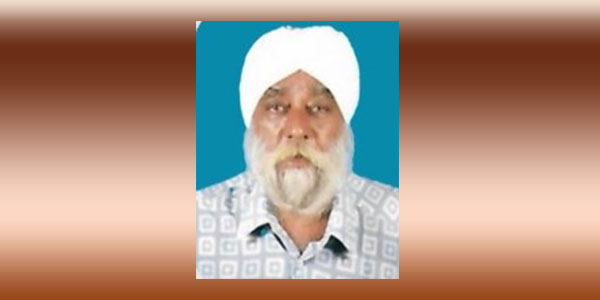
Jagtar Singh Johal
By Asia Samachar Team | BRITAIN |

The family of Sikh activist Jagtar Singh Johal have said that they have not heard from him since September 2019.

Jaggi has been imprisoned in India for over 900 days without charge and his family have no idea of state of health during the Covid-19 pandemic, according to The Sikh Press Association in an entry at its Facebook. 

Read more about #FreeJaggiNow at: https://www.sikhpa.com/freejagginow/


ASIA SAMACHAR is an online newspaper for Sikhs / Punjabis in Southeast Asia and beyond. Facebook | WhatsApp +6017-335-1399 | Email: editor@asiasamachar.com | Twitter | Instagram | Obituary announcements, click here |

Two stranded Indian passengers housed at Tatt Khalsa suspected of Covid-19

Covid-19 testing at Wisma Tatt Khalsa. Insert: Testing process for general public, with Wisma Tatt Khalsa in the view
By Asia Samachar Team | MALAYSIA |

Two Indian tourists housed at a gurdwara complex in Kuala Lumpur on humanitarian grounds have been sent to hospital for observation after they were suspected of Covid-19.

The rest of the Indian passengers, who were stranded at the Kuala Lumpur International Airport (KLIA) after India began cancelling in-coming flights in mid-March, tested negative and have been sent to a teacher training facility for a 14-day observation.

The passengers were part of the 73 people tested on 7 May at Wisma Tatt Khalsa, the complex adjoining to Gurdwara Sahib Tatt Khalsa, after the authorities placed the surrounding area under an enhanced movement control order (EMCO). This is done for locations with a high number of Covid-19 cases.

The Indian tourists were some of the 300-odd stranded passengers who were sent to Tatt Khalsa, Gurdwara Sahib Puchong and a number of other places to wait out until they could catch their return flights.

“We are in touch with the authorities as well as the Indian high commission,” a Tatt Khalsa gurdwara official told Asia Samachar.

The passengers at the Puchong gurdwara have taken their flights back to India, according to its gurdwara official.

All gurdwaras in Malaysia, as with the places of worship of the other faiths, have suspended all congregational prayers since 18 March when Malaysia a nation-wide lockdown called the movement control order (MCO).

(Headline and text in this article corrected to state that the two passengers were suspected to have contracted Covid-19).


RELATED STORY:

KL gurdwara to house some Indian passengers stranded at KLIA (Asia Samachar, 21 March 2020)

Malaysia further extends partial lockdown to 12 May (Asia Samachar, 23 April 2020)

ASIA SAMACHAR is an online newspaper for Sikhs / Punjabis in Southeast Asia and beyond. Facebook | WhatsApp +6017-335-1399 | Email: editor@asiasamachar.com | Twitter | Instagram | Obituary announcements, click here |

Malaysian interfaith group says working with authorities on guidelines for non-Muslim places of worship

By Asia Samachar Team | MALAYSIA |

Malaysian interfaith leaders are in discussion with the authorities on guidelines for non-Muslim places of worships which are still out of bound for mass prayer programmes in view of the Covid-19 pandemic.

The Malaysian Consultative Council of Buddhism, Christianity, Hinduism, Sikhism and Taoism (MCCBCHST) is leading the discussion with the National Security Council and Health Ministry to come out with guidelines for places of worship like temples, churches and gurdwaras.

Its deputy president Jagir Singh said the discussions began last week. The guidelines are expected to help the management in these places of worship to conduct prayers or ceremonies and handle its congregants, once it has been deemed fit for them to reopen

“There is no fixed date on when the discussions will conclude, but I hope it will be within the next two weeks,” he told Malay Mail.

Jagir is also president of the Malaysian Gurdwaras Council (MGC), an umbrella body for gurdwaras in Malaysia.

Yesterday, Minister in the Prime Minister’s Department in charge of Islamic Affairs Zulkifli Mohamad Al-Bakri announced that select mosques and surau in the Federal Territories will be permitted to conduct daily and Friday prayers under strict standard operating procedures, including limiting the number of congregants to a maximum of 30 people.


RELATED STORY:

Malaysia further extends partial lockdown to 12 May (Asia Samachar, 23 April 2020)

ASIA SAMACHAR is an online newspaper for Sikhs / Punjabis in Southeast Asia and beyond. Facebook | WhatsApp +6017-335-1399 | Email: editor@asiasamachar.com | Twitter | Instagram | Obituary announcements, click here |

Narindar Singh (N Singh) (1952-2020), Klang

 ਘਲੇ ਆਵਹਿ ਨਾਨਕਾ ਸਦੇ ਉਠੀ ਜਾਹਿ ॥੧॥


Sardar Narindar Singh (N Singh)

s/o Late Sardar Banta Singh Teluk Pulai, Klang

(8 June 1952 – 15 May 2020)


It is with a heavy heart that we, the family, regret to inform you that Sardar Narindar Singh (N Singh) of Teluk Pulai Klang s/o Late Sardar Banta Singh Klang has passed away today (15 May 2020) at the age of 68 years old.

He leaves behind his loving Wife.. Balbir Kaur, Children.. Randhir Singh, Balraj Kaur,
Jujhar Singh, Kusum Lama, Kaveldeep Singh, Dr Simardeep Kaur and Grandchildren..Mukatdeep Singh and Mehmadeep Kaur, family members, relatives & friends.

We humbly request that you keep him in your thoughts and prayers and to remember him for the kind person he was, and the fulfiling and joyous life he led.

Given the current situation, the family has decided that it is best for the funeral to be a private event reserved for his immediate family members. We hope you understand our decision during this difficult time and allow us the space and time to grieve and heal from this loss.

We will endeavour to keep you informed on the proceedings and prayers as they happen and hope you will understand our decision.

Thank you and God Bless.

The family of Late Sardar Narindar Singh (N Singh)

Teluk Pulai, Klang

For inquires, please contact Ikbal Singh 019-541 4886 or Kaveldeep Singh 012-211 1917


| Entry: 15 May 2020 | Source: Family

ASIA SAMACHAR is an online newspaper for Sikhs / Punjabis in Southeast Asia and beyond. Facebook | WhatsApp +6017-335-1399 | Email: editor@asiasamachar.com | Twitter | Instagram | Obituary announcements, click here |

Spirit of Bhai Kanhaiya lives on

0
Painting by Mandeep Singh Bains (Toonistbains)
By Dr. B.S. Bains | OPINION |

Selfless service to Mankind is embedded in every student of The Great Sikh Gurus, right from Guru Nanak’s Three Principle Teachings, Kirat Karo, Vand Shako & Naam Japoo, (Refer to my article: Guru Nanak’s 3 Basic Teachings: The Three Pillar Principles of Sikhism) to the teachings of Guru Gobind Singh Ji and the Present Sri Guru Granth Sahib – The Sikh’s Revered Holy Scripture.

The Sikh community in India and around the world has been instrumental in serving mankind during any catastrophe, may it be natural disaster, pandemics or to urban poverty stricken population.

It was Sri Guru Gobind Singh Ji, who accelerated and radiated this spirit into thousands of his Sikhs through just a tap on Bhai Kanhaiya’s shoulder. This spirit has since then dwelled on till date and will go on for generations to come.

Bhai Kanhaiya was born during the time of Guru Teg Bahadur Ji (the Sikh’s 9th Guru), in Wazirabad, Sialkot district of undivided India (today in Pakistan), in the mid-1600’s (17th century) to a rich merchant. It was in his very young age, he had a unique nature in helping the poor laborers.

Initially he would purposefully keep coins in his pocket just for the sake of giving away to the poor people in need. As he grew up, he would help the labor class share to carry their burden of physical work, like transporting heavy materials on their back and walk along with them for any distance, short or long. His mother, however, used to be embarrassed, to what would people say of this rich merchant’s child, seen on the streets helping people at this very young age.

As time passed by, after his father’s death, he took over the business and became a successful merchant himself.

He travelled widely but always spared his earnings to help the destitute, the helpless, the travellers and the sick. During his business travels, he made acquaintance with a person called Bhai Nanua who later became his close friend. Bhai Nanua was a devotee of Guru Teg Bahadur Ji. As Bhai Kanhaiya got closer to Bhai Nanua, he was attracted to his spiritual growth and his daily recital that he would chant and sing. Bhai Nanua would recite all the major verses that he learnt from Guru Teg bahadur Ji. This mesmerized Bhai Kanhaiya and he then requested Bhai Nanua to take him to visit Guru Ji. Upon his first encounter with Guru Ji, Bhai Kanhaiya was immediately spiritually uplifted. With utter reverence, Bhai Kanhaiya became Guru Ji’s greatest devotee and lived with Guru Ji to serve the congregation (sangat) visiting Guru ji with food and water from the Free Kitchen (Langgar).

Bhai Kanhaiya travelled with Guru Teg Bahadur, while in intervals, still went back home to carry out his business obligations. He would return to serve the Guru often and also during the time of distress caused by the Mogul Kings of the time.

At the heights of cruelty, Guru Teg Bahadur Ji was beheaded by the then Mogul ruler Aurengzeb, in Delhi. His son Gobind Rai Ji was barely 9 years of age. Gobind Rai Ji was already a highly elevated Soul. He took on the cosmic divine capacity and his father’s killing with no sense of animosity. He pleaded to the almighty to give him the strength to wither the grief. It was the heaven that came to act, to manifest a phenomenon of divinity, when the little Gobind Rai spoke to the followers of his father with equal wisdom as that of his father. Everyone bowed to the wisdom of Gobind Rai Ji and in humility, as though it was directed by heavens, with collective cosmic consciousness, they all pronounced him their 10th Guru. Gobind Rai Ji would later be named Gobind Singh Ji.

Guru Gobind Singh Ji faced many moments of distress with continuous warfare and attacks from the Mogul kings and the kings of the hilly provinces around Anandpur, a town in the Eastern Punjab.

In the battle field Bhai Kanhaiya would serve water to everyone who was wounded irrespective of the camp they belonged to. During those times, water was scarce, as Anandpur was on dry hilly planes, and every drop was precious and needed to be preserved. But for Bhai Kanhaiya, preserving water only for the use of the Sikhs was not comprehendible. He would empty the barrels of water to serve the wounded at the battle field, even to the enemies. Later he would fill-up the barrels from the nearby wells.

The Sikh soldiers were very upset and angry with this act of Bhai Kanhaiya serving water to the enemies, and they brought this matter to the attention of Guru Gobind Singh Ji. Guru Ji then summoned Bhai Kanhaiya to be brought before him in the presence of a congregation of the Sikhs.

Guru ji then asked Bhai Kanhaiya of the act, as to why he was serving water to the wounded enemies along with the Sikhs who were wounded in the battlefield. Bhai Kanhaiya gave an earnest answer to the Guru Ji with folded hands, that, to him, he saw God in all of them in the battlefield. He said that he saw his Guru Ji in them. For him, he said that everyone was equal. Guru Gobind Singh Ji was so pleased with the answer and told his Congregation that he is the Sikh who has understood the teachings of The Gurus, profoundly. He gave a tap on the shoulder of Bhai Kanhaiya and told him to go ahead, to serve mankind. Bhai Kanhaiya later established many Dharmshala, the first was at Kavha village in the present Attock district of Pakistan which he turned into a Guru’s preaching center. Bhai Kanhaiya died in 1718 listening to Asa Di Waar, the morning Hymns from Sri Guru Granth sahib.

That Magical TAP, on the shoulder of Bhai Kanhaiya was not only meant for him alone, but it was, the tap on the shoulders of all the Sikhs, to-date and for generations to come, to go out there, without fear, without animosity, without bias & selflessly serve every human being coming from any religion, caste or ethnicity during times of distress with food, clothing and shelter.

The Magical TAP of Guru Gobind singh Ji prevails, evergreen and fresh, even today over the shoulders of the Sikhs, to boost and upkeep the Spirit of Langgar (Free Kitchen for all), Spirit of Sewa (Selfless service) and The Spirit of Protection; and that, the Sikhs will uphold this spirit without any reservation serving their neighbors, the society they live in and the country they abide. The tenant of Guru Ji’s teaching is a blueprint of their life.

The teachings of their present Guru Granth Sahib Ji was been personally entrusted to the Sikhs by Guru Gobind Singh Ji himself and to be revered as their 11th and the last Guru, that, all mankind, from every walks and background would seek spiritual guidance to develop their inner and live a just full and honest life.

The Spirit of the Tap on Bhai Kanhaiya’s shoulder Lives on…

Dr Balwant Singh Bains is a Malaysia-based kirtan enthusiast and a practicing physiotherapist with a chain of physiotherapy clinics.


RELATED STORY:

5 things that should always remain a secret… (Asia Samachar, 2 May 2020)

COLLECTIVE CONSCIOUSNESS – The Four Yuggas of Life (Asia Samachar, 19 April 2020)

ASIA SAMACHAR is an online newspaper for Sikhs / Punjabis in Southeast Asia and beyond. Facebook | WhatsApp +6017-335-1399 | Email: editor@asiasamachar.com | Twitter | Instagram | Obituary announcements, click here |

Covid-19 pandemic blessing to Malaysia’s national unity, says Sikh academician

By Asia Samachar Team | MALAYSIA |

The current COVID-19 pandemic situation is seen as a blessing that has helped to reinforce the concept of unity among Malaysia’s multi-racial communities, observes an academician.

Universiti Putra Malaysia (UPM) Rukun Negara Secretariat adviser Prof Sarjit Singh Gill told a local television talkshow that the pandemic had reinforced the importance of living together.

“Before COVID-19, we saw a lot of debates, conflicts, and competitions, indeed there was also co-operation but it was quite limited. But during COVID-19, we see more and more co-operation among communities, conflicts are as if they are non-existent, conflicts in society involving racism are not seen now.

“It is time for the Ministry of National Unity to look into the context of how the people are embracing this moment of unity. I think this is a landscape of change and here I see the strength of the communities such as non-governmental organisations, religious organisations and youths to start using their movement to help society during this crisis,” he was quoted in a report by Malaysian news agency Bernama.

He appeared in the ‘Ruang Bicara’ Programme on Bernama TV titled ‘#KitaJagaKita – Managing National Unity’ in Kuala Lumpur, yesterday (13 May 2020). The other panelists were University Kebangsaan Malaysia (UKM) Faculty of Education, Centre of Education and Community Wellness senior lecturer Anuar Ahmad and the Malaysian Youth Council president Jufitri Joha.


ASIA SAMACHAR is an online newspaper for Sikhs / Punjabis in Southeast Asia and beyond. Facebook | WhatsApp +6017-335-1399 | Email: editor@asiasamachar.com | Twitter | Instagram | Obituary announcements, click here |

Wellington interfaith free kitchen hits one year mark

By Ekta NZ | NEW ZEALAND |

The service started after the Christchurch shooting. The intention was to have an ethnic community meet a gap in the city’s food banks that exists at the weekends and to do it visibly so that the larger New Zealand community could also witness that the migrant communities were equally concerned with the city’s issues and, were contributing to its solutions albeit in a small way.

In doing so we also wanted to create ‘ekta‘ (unity) by sharing the platform with the different faith and ethnic groups.

That is the story of the Guru Nanak Free Kitchen Wellington (GNFKW) which has now reached the one year mark. It is a project undertaken by charitable organisation Ekta New Zealand Inc

In the last 12 months, we have served over 4,000 meals for the needy of the city. The meals have come from people and organisations of various faiths and ethnic groups. The highlight was when we had a Sikh family providing the main meal, a Muslim family providing the dessert and the food was distributed by members of the Christian community.

The service has grown from providing prepacked prepared meals, to providing blankets, warm clothing, footwear, and household needs as the need arises. In addition to meeting the needs of individuals, Ekta NZ is now also contributing to the other main charities of the city.

During lockdown 4 and 3, groceries and vegetables were supplied weekly to Downtown City Mission, the Soup Kitchen, the Night Shelter and City Mission. Over a ton of rice and over few hundred kilos of vegetables and groceries were distributed.

Additionally, along with St Peter’s Church of Willis Street and the Brahma Kumaris of Lower Hutt, Ekta NZ provided meals and Indian grocery items to Indians students/migrant workers and Indian visitors stuck in Wellington daily at the two sites. Save for part of the costs of the meals and groceries distributed at St Peter’s during alert level 3, all the other costs were met by donations from supporters and members.

Our attached video encapsulates the story of the first year of Ekta’s GNFKW.

The plan for year 2 is not only to continue and build on year one but also to grow our range of activities to meet the needs of the vulnerable in Wellington.


RELATED STORY:

NZ interfaith food distribution for Guru Nanak’s birthday (Asia Samachar, 27 Nov 2020)

ASIA SAMACHAR is an online newspaper for Sikhs / Punjabis in Southeast Asia and beyond. Facebook | WhatsApp +6017-335-1399 | Email: editor@asiasamachar.com | Twitter | Instagram | Obituary announcements, click here |

Dealing with loss, separation during Covid-19 crisis

2
By Manjit Kaur (UK) | OPINION |

Much of the message of Gurbani is about relationships, be they between human beings, families, animals, plants and nature. However, the most important relationship is the one between ourselves and our creator, Akaal Purak. For a Sikh, Akaal Purakh is everything, as Guru Arjan says, Akaal Purakh is “father, mother, relative, brother. He is the Protector everywhere; why should I feel any fear or anxiety?”


ਤੂੰ ਮੇਰਾ ਪਿਤਾ ਤੂੰਹੈ ਮੇਰਾ ਮਾਤਾ ॥ ਤੂੰ ਮੇਰਾ ਬੰਧਪੁ ਤੂੰ ਮੇਰਾ ਭ੍ਰਾਤਾ ॥

ਤੂੰ ਮੇਰਾ ਰਾਖਾ ਸਭਨੀ ਥਾਈ ਤਾ ਭਉ ਕੇਹਾ ਕਾੜਾ ਜੀਉ ॥੧॥

(SGGS, 103)

One of the many tragic outcomes of the current COVID-19 pandemic crisis is the way families have been separated. For some, through social distancing rules, this separation is a temporary arrangement designed to stop the spread of the virus. Though we have seen an explosion in online communication, in reality a virtual encounter across a computer screen can never be a replacement for the real thing; there is something special and humanising about the physical embrace of a mother and child.

And over the past weeks and months we have all been deprived of the priceless hugs that are so important. Daily my two grandchildren Harria Singh (6 years) and Khivi Kaur (4 year) ask “Biji, (when) the germ goes away can we come and stay with you and hug you”? Every time it brings tears to my eyes!

Tragically, for some families, where loved ones have died due to the virus, this loss and separation is permanent; this can and is having devastating consequences for them. And if it wasn’t bad enough to lose a loved one, not being able to be at their bedside during their last moments, or to give them a proper funeral, has simply added to the terrible distress they must be experiencing.

Thankfully, I have not lost any of my immediate family members due to the novel coronavirus. However, on a daily basis, I have been following the death toll rise on media, and in my own way , I, too, have been grieving for each and every person and their loved ones. And so, in some senses, especially because of social media, we have all been affected and I am sure we all have lost somebody we knew, even if they were not directly related.

In a strange and cruel sense, it is only through separation and loss that you realise how precious our human relationships are, and perhaps even what it really means to have feelings as a human being. Some people are better than others at coping with loss, but it would be dishonest for anybody to deny they have not been emotionally affected by the corona virus crisis.

No doubt one day we will be free of the virus, but the question we are all facing now is, how can we cope, especially if we lose somebody close? Well, because of the lockdown, as well as being strong, we need to find new ways to deal with our grief and loss. For sure, our immediate reaction to loss is numbness, a sense of disbelief and denial. This is quite normal, but it is important to move beyond this stage and to start grieving properly.

After the initial shock, grieving involves recalling and sharing your memories of whoever you have lost. At this stage everything will appear confused and you will feel like your world has collapsed. Sadly, there are some ‘Gursikhs’ that will say crying and expressing emotions openly is manmat, but I would have to disagree. Just like laughing when one is happy, crying is a normal and healthy emotion, and I would challenge anybody who said that as a human being, I’m not allowed to express my motions or show how I feel. Indeed, suppressing your emotions is not a sign of strength but weakness, as this often is a result of denial and failure to face reality.

Though all human beings have much in common, due to a range of social, cultural and psychological factors, we might express our loss in different ways. For example, I am normally able to express my feelings, but sometimes it can be hard, especially if I am in shock. The key thing is that we all need time and space to let out our inner emotions. And the grieving process can take days and weeks and along the way you will experience emotional ups and downs. Indeed, you may find yourself laughing one minute and crying the next. You may feel anger and resentment, then guilt and so on. If you don’t let your feelings and emotions out, this could actually be damaging, both to your own health and the health of others.

Of course, excessive grieving may also be unhealthy, especially the kinds of behaviour we see in Panjabi culture where loud weeping and wailing is almost forced on you! But expressing and sharing your emotions and feelings is a good sign. It shows you are not in denial and that you are in touch with yourself and your mind. Some people might be embarrassed or worried about what children might think. But as I said earlier, crying is a natural emotion and if you have got children, unless they are very young, they will quickly pick up from you the signs that something is not right. And it is important that you involve your children in the process of mourning as this is the way they will develop emotional intelligence; Don’t forget, they too have to grieve, especially if the person who has died was very close to them. In our culture, because parents are often busy at work, grandparents, cousins, aunts and uncles, from the extended family, can be just as close as immediate family members.

Whilst many people nowadays live secular lives, during moments of loss and separation, especially death, religion can play an important role in moving from grieving to acceptance and healing. I know some co-called religious people have very strict rules surrounding loss and separation, but personally, I don’t like being dictated to and I do like to connect directly to my Guruji. For me Gurbani and Guru Granth Sahib is my greatest partner from where I get strength to go through my life’s journey. Indeed, though one can never bring back loved ones, at times of great loss, Guruji can be a great source of comfort and strength in order to move on.

I know that some ‘religious’ people, who are perhaps trapped in ritualistic beliefs, can sometimes lose their faith after experiencing a loss of a loved one. They may start to ask why they are being punished by Waheguru, despite all the service (sewa) and ritual worship they have performed? For me, Waheguru does not punish anybody, nor it s/he responsible for suffering; ultimately we have to accept that our destiny is in our own hands and it by discovering Waheguru within ourselves that we can move on. Life is like a rollercoaster. Waheguru put you on this Earth to experience life and to deal with the many challenges. No doubt, along the way, you have good days and you will have bad days; you will experience happiness and you will experience sadness; that’s what makes life worth living.

And so the key to life is not to avoid suffering or happiness or any other emotion, which would be impossible anyway, but to recognise what function these serve and to find a balance. Indeed this state of balance or sehaj avasta, is not just about our emotions, but it includes our mind, our body and our soul. And when we achieve this balance, we can truly be ourselves, feel free and ultimately achieve inner peace. Then we will learn to live in the moment, to accept loss and separation as Waheguru’s hukam or will.

There are two facts that we all know about life and death. The first is that when you came into this world you had nothing and when you depart from this world you will leave with nothing. This is written in Guru Granth Sahib ji. And the second fact is, one day we are all going to die! Once we can truly accept these two truths then we will be truly free from attachments, including attachments with people. But the only way to achieve this state of consciousness is to become attached to Waheguru, which is our true lover for eternity. And that is why in Gurbani all that the Gurus talk about is their attachment to their true love (piara pritam), Akaal Purakh. The intensity of this attachment is beautifully captured in a shabad by Guru Arjan in Maajh Rag (GGS Ji p96) in which he says:

“When I could not be with You for just one moment, the Dark Age of Kali Yuga dawned for me. When will I meet You, O my Beloved Lord?”

ਇਕ ਘੜੀ ਨ ਮਿਲਤੇ ਤਾ ਕਲਿਜੁਗੁ ਹੋਤਾ ॥ ਹੁਣਿ ਕਦਿ ਮਿਲੀਐ ਪ੍ਰਿਅ ਤੁਧੁ ਭਗਵੰਤਾ ॥

Coronavirus has changed all our lives in small and large ways, and let’s not forget, nobody knows what else is to come! As human beings we should use this opportunity to realise, actually our divisions don’t really matter. What matters is how we live, with the planet, with nature, with each other and ultimately with ourselves. Perhaps from of this terrible tragedy, some good can come out. I do hope you feel my thoughts are of some value, but still, if I have offended anybody, then please accept my apologies.

“Waheguru Ji ka Khalsa waheguru I ki fateh.”

Manjit Kaur, a UK-based therapist and counsellor, is a presenter of the 1 Show on Akaal Channel. She can be contacted via email at manjitkaur1show@gmail.com

RELATED STORY:

Science, religion and the Covid-19 crisis (Asia Samachar, 3 May 2020)

Coronavirus and human suffering (Asia Samachar, 2 April 2020)

ASIA SAMACHAR is an online newspaper for Sikhs / Punjabis in Southeast Asia and beyond. Facebook | WhatsApp +6017-335-1399 | Email: editor@asiasamachar.com | Twitter | Instagram | Obituary announcements, click here |

London family say ‘caring’ retired Heathrow Airport worker’s Covid-19 death ‘could have been avoided’

Satnam Singe Virdee, pictured holding his granddaughter, was loved among his community – Photo: Harpal Virdee / MyLondon

By Thomas Kingsley | MALAYSIA |

Behind every coronavirus statistic is a grieving family who has lost a loved one. Among these is Southall resident Harpal Virdee, who along with her two siblings, lost her dad, Satnam Singh Virdee, a retired Heathrow Airport worker.

Ms Virdee told MyLondon that her dad, aged 67, began to show coronavirus symptoms prior to the official lockdown, after attending a wedding and a funeral a few days before. The latter also being attended by the local Sikh priest who passed away five days before Mr Virdee.

She believes the Government’s failure to enforce lockdown earlier led to people not understanding how serious the vrus was.

Ms Virdee said: “We didn’t understand how serious and contagious it [coronavirus] really was.

“We only understood the seriousness of it when he passed away. We’re so scared we haven’t left the house since. We’ve gone crazy as a result of it. My little one’s nursery said they’re starting to come back – but I said ‘no absolutely not’.

Ms Virdee said her father’s condition seemed stable at points, even when he was admitted to ICU, so she was shocked to hear he had taken a turn for the worse and eventually passed away on April 19.

Ms Virdee now believes people need to take the situation into “their own hands” and decide for themselves what to do. Her brother, who is an NHS doctor, warned the family to self-isolate prior to the lockdown and Ms Virdee told us this is what they will do until it seems safe, irregardless of Government advice.

Read the full story, Ealing family say ‘caring’ retired Heathrow Airport worker’s Covid-19 death ‘could have been avoided’ (MyLondon, 11 May 2020), here

ASIA SAMACHAR is an online newspaper for Sikhs / Punjabis in Southeast Asia and beyond. Facebook | WhatsApp +6017-335-1399 | Email: editor@asiasamachar.com | Twitter | Instagram | Obituary announcements, click here |

UK faith groups in push to feed NHS

The Guru Nanak Darbar gurdwara receives food donated by locals and Gravesend council. Photograph: David Levene/The Guardian
By Harriet Sherwood | BRITAIN |

They start at 4am, chopping vegetables, mixing spices, soaking legumes, kneading chapati dough. Scores of volunteers are split into five teams working in shifts: cooking, packing, delivering, cleaning and answering the phones.

By the end of the day, at least 850 meals have been delivered to staff at five nearby hospitals, care homes and vulnerable individuals. Some days, the number hits 1,000.

For the Sikh community that – in normal times – worships at the Guru Nanak Darbar gurdwara in Gravesend, Kent, this is simply an adaptation of langar, the communal kitchen that provides free food to the needy day in and day out.

The coronavirus crisis has extended the definition of those in need beyond the poor, homeless and lonely to frontline workers fighting the disease in long, exhausting shifts in hospitals and care homes. The gurdwara’s deliveries remove the need to bring food from home or grab a snack from a vending machine.


The work of the Gravesend gurdwara is just one example of a marathon, nationwide effort to feed the NHS over recent weeks. Restaurants and cafes forced to close to the public by the lockdown have created and delivered meals. Fast food chains have joined the effort, bakers have contributed sweet treats, and Deliveroo has pledged to make half a million meals available free to NHS workers in hospitals.

Churches, mosques, synagogues and other faith organisations are stepping up to support the NHS and other frontline workers. A church in Bath, St Michael’s Without, has turned over its space for a PPE production line. Exeter Cathedral’s Company of Tapisers has set aside their delicate stitching of vestments and kneelers to run up hospital scrubs. Christ Church in Anfield has teamed up with Liverpool football club to offer free meals to vulnerable and elderly people.

Mosques all over the country are taking Ramadan iftar meals to Muslims on the frontline and to people isolated at home. The United Synagogue is delivering “Shabbat in a box” to Jews in isolation or in need.

The Guru Nanak Darbar gurdwara started its NHS meal delivery service on 23 March , the daythe lockdown was announced. Then, eight meals were prepared and distributed. Now, demand is so great that the community has been forced to direct some requests to other gurdwaras.

Read the full story, ‘850 meals a day: UK faith groups in push to feed NHS’ (The Guardian, 7 May 2020), here.


RELATED STORY:

British Sikh medical bravehearts (Asia Samachar, 21 April 2020)

ASIA SAMACHAR is an online newspaper for Sikhs / Punjabis in Southeast Asia and beyond. Facebook | WhatsApp +6017-335-1399 | Email: editor@asiasamachar.com | Twitter | Instagram | Obituary announcements, click here |