On Father’s Day, sons and daughters like me will be celebrating the contributions and sacrifices made by our fathers to our lives. Actually one should not need a special day to say thank you to people who are special in our lives; we should be saying thank you all the time to them!
A true father should be a role model, a special person who is a friend, parent, teacher and guide, who protects us in every phase of our lives. In this regard, today is not only about our fathers but to honour fatherhood more generally.
Attitudes towards fatherhood have changed over the years. Whereas in the past fathers were valued as hard, strong leaders with authority, today we value the softer more feminine aspects. So we value fathers who are sensitive, caring, good listeners and able to do domestic tasks, like cooking and cleaning.
For some people Father’s Day is a day of happiness, where they might take their dad’s out for a meal or celebrate as a family. But for others like me, whose fathers are not alive, today is a day mixed emotions, of fond memories and sadness.
Like most men of his generation, my father struggled to express his emotions, other than perhaps anger and disapproval! However, occasionally his mask would slip and he would reveal a playful nature where he would tease me and make me laugh by telling funny stories. But, I must admit, he was mostly quite a reserved person.
The truth is that fathers such as mine, were the products of tradition. My late ‘Bhapa Ji’, Swaran Singh Malhi pictured below, was born and raised in Panjab, to value traditional gender roles and masculinity. Though he was educated, when he came to the U.K. before establishing his own business, he worked in mills and factories and I know he had a really tough life. He saw his priority was to provide for and protect his children, including from ‘western influences’, which meant that I was not allowed much freedom. I did wonder, if western culture was so bad, why did so many people from India come over!
Being the eldest my dad was also under pressure from his parents (my Baba and Bebe ji) to send money back to Panjab, and to be honest he had very little spare time to spend with us, his children. He rarely hugged me and if I am honest, he struggled to show affection or love. I must admit, at the time, like I suspect most girls of my generation, I did resent my Dad’s attitudes and it was only as I got older that I was able to realise what he must have been going through and to appreciate his perspective.
I can’t recall my dad ever crying other than in two occasions. One was when I was about 11 years old when he received news from India that his dad, my Baba ji, had passed away. I remember him sitting on his bed in the early morning with his hand in his head, tears pouring from his eyes.
The second occasion, which I will never forget was after my wedding as I was about to permanently leave my prenatal home with my new husband. My dad had his head down and was visibly upset and crying. As I was full of emotion at the time, I did not fully appreciate how sad he was, but his grief was captured in the wedding video, which still brings tears to my eyes.
Today, it is much easier for fathers to express their emotions, which is a good thing for them and their children. It is only by expressing our emotion can we become sensitive to each other. Suppressing emotions can actually affect your health and relationships, and there is quite lot of evidence that many men suffer in silence as a result.
As I was growing up I wanted to avoid the mistakes of the previous generation, though I also realise each generation has their challenges. Just as mothers have had to learn to be more assertive, likewise fathers are learning that express their emotions is not a sign of weakness. So for me celebrating Father’s Day as well as giving gifts and celebrating is also about thinking of the challenges fathers face, especially in a world where traditional masculine attitudes and behaviours is no longer acceptable.
Manjit Kaur, a UK-based therapist and counsellor, is a presenter of the 1 Show on Akaal Channel. She can be contacted via email at manjitkaur1show@gmail.com
ASIA SAMACHAR is an online newspaper for Sikhs / Punjabis in Southeast Asia and beyond.Facebook | WhatsApp +6017-335-1399 | Email: editor@asiasamachar.com | Twitter | Instagram | Obituary announcements, click here |
Harnam Singh (4th from right) with family at the opening of his new tyre trading business in Mandalay – Photo: Supplied
By Asia Samachar| MYANMAR |
After trying his hands at trading at the borders between Myanmar and China, Harnam Singh is now putting his entrepreneurship skills to open a tyre business in Mandalay.
On 15 June, Ko Somee Tyre Trading officially opened for business. It is located at industrial zone at the Sanpya Road.
Ko Somee Tyre Trading officially opened for business on 15 June 2021
He joins a number of other Sikh entrepreneurs who are also running tyre trading business. “Many of them are pretty successful,” one Mandalay-based Sikh told Asia Samachar.
WE’RE OPEN FOR BUSINESS: Joy all around as Harnam Singh’s new tyre trading business in Mandalay is launched on 15 June 2021 – Photo: Supplied
ASIA SAMACHAR is an online newspaper for Sikhs / Punjabis in Southeast Asia and beyond.Facebook | WhatsApp +6017-335-1399 | Email: editor@asiasamachar.com | Twitter | Instagram | Obituary announcements, click here |
We have been exploring the premise that Guru Nanak Redefined, in a Revolutionary way – all the spiritual concepts that existed for thousands of years before him.
Guru Nanak’s Portrait of Sikhi was thus one that was Painted Over an existing canvas – a canvas that was said to have existed for 4,000 years prior to Guru Nanak.
The consequence of such REDEFINING was that when we come across the concepts of the old canvas wherever they are MENTIONED in the Sri Guru Granth Sahib (SGGS), we will need to understand the NEW meanings or REDEFINED meanings, or Gurbani meanings of the concepts – to get to the true messages of Gurbani.
In today’s video, we will look at the concept of Heaven and Hell. The Punjabi terms for Heaven are Surag, Bhist and Baikunth. Hell is referred to as Naruk and Dojak.
Let’s begin with Heaven and Hell as advocated by the 4-thousand-year-old Canvas. The primary claim is that the departed soul goes for judgement before an entity named dharam raj. Dhram raj listens to a full accounting of the deeds of the deceased person standing before him from Chitargupt – the reporter who is said to sit on our shoulders and record all our deeds. The claim then is that Dhrm Raj orders the soul to either go to heaven or one of the 21 hells or to reincarnate. The soul obtains salvation if it goes to heaven.
More than 100 billion people have lived and died before you and me. And not a single one of them has come back to tell us story of their trip into heaven or hell.
Yet, the concocted details of these two locations – heaven and hell – are presented as a religious FACT, and religious TRUTH. Heaven and hell are both presented as REALITIES of life. And believed by millions. And accepted by millions more.
What is most chilling really is that this Narative of Heaven and Hell – drawn from the 4K year old canvas – is the one that is presented by our clergy – our granthis, ragis, kirtanias and our parcharaks in our gurdwaras. As Sikhi beliefs, as Gurbani concepts.
The outcome is that – the narrative that is held within the psyche of a vast majority of Sikhs is NOT the narrative of Gurbani, but that of the 4K year old canvas. And this vast majority of Sikhs mistakenly think accept, and believe that Heaven and Hell is indeed the narrative of Gurbani.
Nothing can be further than the truth.
So what is the narrative of Heaven and Hell within Gurbani? We can develop the basic principles by examining some verses that discourse the concept.
The first thing that Gurbani does is to toss out the notions of Heaven and Hell. Gurbani does so by un-equivocally rejecting both.
Let’s begin with this verse of Bhagat Kabir on page 969 of the SGGS.
Kavan Naruk Kya Surag Bichara Santan Dou Radey. Hum Kahu Kee Kaan Na Kadhtey Apney Gur Parsadey.
Bhagat ji is asking: What is this discourse ਬਿਚਾਰਾ Bichara of Heaven and Hell? Why be concerned with this discourse? ਕਵਨੁ ਨਰਕੁ ਕਿਆ ਸੁਰਗੁ Kavan Naruk Kya Surag. The word ਸੰਤਨ Santan refers to seekers of realization of the Creator. All those who seek realization of the Creator within ਸੰਤਨ Santan reject both, rubbish both ਦੋਊ ਰਾਦੇ Dou Radey. The word ਰਾਦੇ Radey comes from the word ਰਦ Rad which means to reject. The word for dustbin in Punjabi is ਰੱਦ ਟੋਕਰੀ Rad Tokri. So Why even bother with this discourse? ਕਵਨੁ ਨਰਕੁ ਕਿਆ ਸੁਰਗੁ Kavan Naruk Kya Surag.
So, clearly, what Bhagat Kabir is doing is to toss the concepts of Heaven and Hell into the dustbin of spirituality.
Bhagat ji then says, given the blessings of enlightenment of my Guru ਅਪਨੇ ਗੁਰ ਪਰਸਾਦੇ Apney Gur Parsadey, I am enlightened in knowing that I have to be concerned with neither of them. ਹਮ ਕਾਹੂ ਕੀ ਕਾਣਿ ਨ ਕਢਤੇ Hum Kahu Kee Kaan Na Kadhtey.
Esentially, pyareo, what Kabir is saying in this verse is: What’s the concern with the discourse on heaven and hell – both of which are rubbished by the seekers of realization. By the blessings of enlightenment from my Guru, I have no concern with either.
If a Sikh of Gurbani thinks for himself or herself, this one couplet alone is sufficient to debunk the whole concocted theory of heaven and hell. That is the power of Gurbani when read by ourselves, understood on our own and contemplated within ourselves. One couplet is enough to debunk an entire theory.
Our problem is that we let our earn-a-living clergy – our granthis, ragis and parcharaks – people who are beholden to the 4K year old canvas deep within their souls – we let these people give us distorted and corrupted interpretations of Gurbani – and accept it in either good or blind faith.
Come to think of it, what can be clear than ਦੋਊ ਰਾਦੇ Dou Radey – I reject both. What can be clearer than ਹਮ ਕਾਹੂ ਕੀ ਕਾਣਿ ਨ ਕਢਤੇ Hum Kahu Kee Kaan Na Kadhtey – I care for Neither of them. It would be different if someone say, I reject Hell. Saying such would mean – I am expecting to go to heaven. But Gurbani is saying ਦੋਊ ਰਾਦੇ Dou Radey – I reject both. I am throwing both out of my spiritual concern.
We have this verse of Guru Arjun on page 291 of the SGGS which contains a severe critique of the notion of heaven and hell. The verse is:
Jab Ekhe Har Agum Apaar. Tab Narak Surag Kaho Kaun Autaar.
Guru Ji’s critique is brilliant. He is asking When there was none other than the Omnipresent Creator ਜਬ ਏਕਹਿ ਹਰਿ ਅਗਮ ਅਪਾਰ Jab Ekhe Har Agum Apaar, pray tell me who was lining up to go into heaven and hell then? ਤਬ ਨਰਕ ਸੁਰਗ ਕਹੁ ਕਉਨ ਅਉਤਾਰ Tab Narak Surag Kaho Kaun Autaar.
Logic and Reason has a force of its own. And this is very powerful logic being presented by Guru Arjun. Patshah is reasoning; When the Only Entity in the Entirety of Existance Was the Omnipresent Creator, Who Were the Occupants of Heaven and Hell?
The critique is that there is no such thing as heaven and hell. And that the Creator made no such places. And therefore that heaven and hell is nothing more than the concoction of the clergy.
Guru Arjun ji offers another critique that explains the need for the concoction in this verse on page 295 of the SGGS
Paap Punn Teh Bhayee Khavat Koou Narak Kooy Surg Banchavat.
Guru ji is saying this concoction is a two step process. First the notion of what deeds are pious or holy and which ones are sinful was invented. For instance, it is declared that to feed a clergy, to donate to the temple and to make offerings are pious acts and to critique a clergy and not make offerings are sinful acts. A whole list of what is sinful ਪਾਪੁ Paap and what is pious ਪੁੰਨੁ Punn is first concocted. That’s the first part ਪਾਪੁ ਪੁੰਨੁ ਤਹ ਭਈ ਕਹਾਵਤ Paap Punn Teh Bhayee Khavat. The concocting of A,B and C as pious acts and D E F is sinful ones.
For this Narative to work, in other words to get the people to do the concocted acts of piety, and not do the concocted acts of sin, the notion of heaven and hell was concocted. If one did the deeds that were declared pious then one went to heaven in the afterlife, otherwise one went to hell. That’s the second part – ਕੋਊ ਨਰਕ ਕੋਊ ਸੁਰਗ ਬੰਛਾਵਤ Koou Narak Kooy Surg Banchavat. The heaven and hell concocted narrative ensured that the ਪਾਪੁ Paap and ਪੁੰਨੁ Punn narrative worked.
Essentially then, what Guru Arjun ji is saying is that the notion of sinful deeds and pious deeds were concocted as a narrative; to make some to desire heaven and others fit for hell – both of which were also concocted.
Guru Angad points us to the source of this connection between the two narratives of ਪਾਪੁ ਪੁੰਨੁ Paap Punn and ਨਰਕ ਸੁਰਗ Naruk Surag. This is his verse on page 1243 of the SGGS
The Narrative ਕਥਾ ਕਹਾਣੀ Ktha Kahanni given to the world by the Vedas ਬੇਦੀਂ ਆਣੀ Beydi Aanni is that there are pious deeds and sinful ones ਪਾਪੁ ਪੁੰਨੁ ਬੀਚਾਰੁ Paap Punn Bichar. To give more than one receives ਦੇ ਦੇ ਲੈਣਾ Dey Dey Laenna and, and to receive more than one gives ਲੈ ਲੈ ਦੇਣਾ Laiy Laiy Denna is the basis for becoming a resident of Heaven and Hell.
Heaven and hell is defined in terms of the piety of giving. Its not surprising that the Clergy then says that the highest piousness in giving is to give to him.
Guru Nanak similarly makes the connection between the two narratives and points to their source as well. His verse on page 1243 is as follows:
Mehla 1: Beyd Pukarey Punn Paap Surg Naruk Ka Beeo. Jo Beejay So Ughvey Khanda Janney Jio.
The Vedas pronounce ਬੇਦੁ ਪੁਕਾਰੇ Beyd Pukarey that acts of piousness and sin ਪੁੰਨੁ ਪਾਪੁ Punn Paap are the determinants or the seeds of heaven and hell in the afterlife ਸੁਰਗ ਨਰਕ ਕਾ ਬੀਉ Surg Naruk Ka Beeo. What is planted in this life ਜੋ ਬੀਜੈ Jo Beejay will bear fruit ਸੋ ਉਗਵੈ So Ughvey in heaven or hell ਖਾਂਦਾ ਜਾਣੈ ਜੀਉ Khanda Janney Jio.
The deeper critique here that there is no such thing as heaven and hell. And that the Creator made no such places. And therefore that heaven and hell is the concoction of some people who also concocted the notion of sin and piety ਪੁੰਨੁ ਪਾਪੁ Punn Paap – all to serve their selfish ends of being able to earn a living through the efforts of other people.
The concoction part is made clear in this verse on page 1161 of the SGGS.
Sabh Koyi Chalan Khet Hai Uha(n). Na Jano Baikunth Hai Kha(n). Rahao. Aap Aap Ka Marum Na Jana(n). Baatan Hi Baikunth Bkhana(n).
They all ਸਭੁ ਕੋਈ Sabh Koyi make claims about knowing the method to get to heaven. ਸਭੁ ਕੋਈ ਚਲਨ ਕਹਤ ਹੈ ਊਹਾਂ Sabh Koyi Chalan Khet Hai Uha(n). And they don’t know where heaven is. They have no clue where or what heaven is. ਨਾ ਜਾਨਉ ਬੈਕੁੰਠੁ ਹੈ ਕਹਾਂ Na Jano Baikunth Hai Kha(n). They know nothing of themselves even ਆਪ ਆਪ ਕਾ ਮਰਮੁ ਨ ਜਾਨਾਂ Aap Aap Ka Marum Na Jana(n). But they have concocted a narrative ਬਾਤਨ ਹੀ Baatan Hi and told the world about it ਬੈਕੁੰਠੁ ਬਖਾਨਾਂ Baikunth Bkhana(n).
The narrative of heaven and hell is just that – a narrative by people who have no realization other than to concoct a narrative. ਬਾਤਨ ਹੀ ਬੈਕੁੰਠੁ ਬਖਾਨਾਂ Baatan Hi Baikunth Bkhana(n).
This critique about clergy making claims about matters that no one knows anything about is a recurring theme within Gurbani when it comes to claims such as after death, soul travel, judgement, dhram raj, heaven and hell, reincarnation, salvation etc.
This is a simple yet powerful logic and our Gurus and bhagats have used this logic to dispel these notions and the fear and anxiety that these fake claims have brought upon mankind.
At the end of the day it is the plain logic of Gurbani that stands up to the illogical but powerful attempt by the clergy to bring about compliance and control of the minds and behaviors of the masses by offering a carrot of heaven if we did their bidding, and the stick of hell if we dared to defy them.
What our Bhagats did was to stand up to these fake claims – to break the chain of compliance and control that the clergy demanded from people.
Bhagat Kabir says it in crystal clear language on page 337 of the SGGS.
Surg Baas Na Bancheay Dareay Na Naruk Nivas. Hona Hai So Hoyi Hai Maneh Na Kejay Aas.
Bhagat ji is saying: I have no desire whatsoever to go reside in heaven ਸੁਰਗ ਬਾਸੁ ਨ ਬਾਛੀਐ Surg Baas Na Bancheay. And I have no fear whatsoever of being sent to reside in hell ਡਰੀਐ ਨ ਨਰਕਿ ਨਿਵਾਸੁ Dareay Na Naruk Nivas.
This is a clear declaration of defiance in which Kabir says, I am neither cowed by the threat of hell, nor enticed by the pull of heaven to do the bidding of what is declared as pious and sinful ਪਾਪੁ ਪੁੰਨੁ ਤਹ ਭਈ ਕਹਾਵਤ Paap Punn Teh Bhayee Khavat.
In the next verse, Kabir ji makes it clear. I will not abide by your narrative of come what may ਹੋਨਾ ਹੈ ਸੋ ਹੋਈ ਹੈ Hona Hai So Hoyi Hai. Why because I have no desire to go to heaven ਮਨਹਿ ਨ ਕੀਜੈ ਆਸ Maneh Na Kejay Aas.
Gurbani tells us that not only are the claims fake, they are an unsurmountable obstacle to our spiritual journey in the Here and Now. They are a barrier.
Jub Lag Man Baikunth Ki Aas. Tub Lag Hoey Nhi Charan Nivas.
Gurbani tells us that so long as the desire to get to heaven remains. ਜਬ ਲਗੁ ਮਨਿ ਬੈਕੁੰਠ ਕੀ ਆਸ Jub Lag Man Baikunth Ki Aas. Realization of the Creator within cannot happen ਤਬ ਲਗੁ ਹੋਇ ਨਹੀ ਚਰਨ ਨਿਵਾਸੁ Tub Lag Hoey Nhi Charan Nivas.
Then Kabir says , what do we say of such claims ਕਹੁ ਕਬੀਰ ਇਹ ਕਹੀਐ ਕਾਹਿKho Kabir Eh Kheay Kahe. Being in the company of the Guru ਸਾਧਸੰਗਤਿ Sadhsangat is to have created one’s own heaven ਬੈਕੁੰਠੈ ਆਹਿ Baikunthay Ahe.
The message is clear. The desire to go to heaven is an obstacle because the claim itself is fake. When something does not exist, then having a desire for that non-existant entity becomes an obstacle in life. Imagine living one’s life in desire to go someplace that does not exist.
Here we have to address the question that if we are to create our own heaven in the here and now, where and how in Gurbani is such an assertion made?
In attempting to answer this question, we can also address the claims made by a vast majority of Sikhs that if heaven and hell does not exist out there, then why does Gurbani mention it.
Yes, Gurbani mentions both, but they are REDEFINED. They are given new meanings. They are given Gurbani meanings. They are REDEFINED in a manner that brings them in line with the Canvas of Sikhi, with the Canvas of Guru Nanak that is concerned – NOT with life after death – BUT with our life in the HERE and NOW, our present life.
So one way of saying it is that – Gurbani anchors ALL its concepts, beliefs and principles in the HERE and NOW.
So we have this verse of Guru Nanak on page 24 of the SGGS.
Sri Rag Mehla 1 Ghar 3. Amal Kar Dharti Beej Shabdo Kar Sach Ki Aab Nit Deh Panni. Hoey Kirsann Imaan Jamaye Laiy Bhist Dojak Murrey Ev Janni.
Let’s take the final verse first. ਭਿਸਤੁ ਦੋਜਕੁ ਮੂੜੇ ਏਵ ਜਾਣੀ Bhist Dojak Murrey Ev Janni. The word ਭਿਸਤੁ Bhist means heaven and ਦੋਜਕੁ Dojak refers to Hell. ਏਵ ਜਾਣੀ Ev Janni means – know them as such, this is what they are. This is what they really are. The word ਮੂੜੇ Murrey means foolishness, folly, error, fallacy – hence the word ਮੂੜੇ ਏਵ ਜਾਣੀ Murrey Ev Janni – Know them – know heaven and hell in the afterlife to be what they really are – foolish beliefs, fallacious beliefs ਮੂੜੇ ਏਵ ਜਾਣੀ Murrey Ev Janni. Heaven and hell in the afterlife are no more than foolish beliefs. ਭਿਸਤੁ ਦੋਜਕੁ ਮੂੜੇ ਏਵ ਜਾਣੀ Bhist Dojak Murrey Ev Janni.
Now we look at the first verse. Guru Nanak is saying Perform good deeds ਅਮਲੁ ਕਰਿ ਧਰਤੀ Amal Kar Dharti, inculcate the messages of the shabd ਬੀਜੁ ਸਬਦੋ ਕਰਿ Beej Shabdo Kar, and let your deeds flourish in the glory of the Creator ਸਚ ਕੀ ਆਬ Sach Ki Aab. And do this daily, all the time ਨਿਤ ਦੇਹਿ ਪਾਣੀ Nit Deh Panni. Practice such a life ਹੋਇ ਕਿਰਸਾਣੁ Hoey Kirsann and anchor your spirituality in such ਈਮਾਨੁ ਜੰਮਾਇ ਲੈ Imaan Jamaye Laiy and u will realize the folly of the claim of Heaven and Hell in the afterlife.
And you will also realize the truth and reality of Heaven in Hell in the here and now. Which is that Performing good deeds ਅਮਲੁ ਕਰਿ ਧਰਤੀ Amal Kar Dharti, inculcating the messages of the shabd ਬੀਜੁ ਸਬਦੋ ਕਰਿ Beej Shabdo Kar, and letting your deeds flourish in the glory of the Creator ਸਚ ਕੀ ਆਬ Sach Ki Aab and doing this daily, all the time ਨਿਤ ਦੇਹਿ ਪਾਣੀ Nit Deh Panni, practicing such a life ਹੋਇ ਕਿਰਸਾਣੁ Hoey Kirsann and anchoring your spirituality in such ਈਮਾਨੁ ਜੰਮਾਇ ਲੈ ਲੈ Imaan Jamaye Laiy is your heaven in the here and the now.
You will realize that you create your own heaven. And that is contained in this verse on page 873 of the SGGS
Nar Tay Sur Hoey Jaat Nimakh Mei Satgur Budh Sikhlayi. Nar Tay Upaj Surg Ko Jitiyeo So Avkhad Mein Payi.
Bhagat Namdev is saying my becoming Human to Divine ਨਰ ਤੇ ਸੁਰ ਹੋਇ Nar Tay Sur Hoey – I acquired through the enlightenment ਬੁਧਿ ਸਿਖਲਾਈ Budh Sikhlayi given by my Creator connecting Guru ਸਤਿਗੁਰ Satgur.
In doing so – in becoming Divine from human ਨਰ ਤੇ ਉਪਜਿ Nar Tay.
I have acquired heaven for myself ਸੁਰਗ ਕਉ ਜੀਤਿਓ Upaj Surg Ko Jitiyeo, and I have found the panacea, the cure, the solution ਅਵਖਧ Avkhad to not having a heaven for myself ਸੋ ਅਵਖਧ ਮੈ ਪਾਈ So Avkhad Mein Payi
When Bhagat ji says I have created my own heaven – it is created in the HERE and NOW. So the message thus far is clear. The notion of heaven and hell after death is a concoction, a fabrication – and more importantly an obstacle to our spirituality in the HERE and NOW.
A Sikh creates his own heaven by doing divine deeds, by living the divine life, by becoming Divine virtues. And in so doing we will find the panacea, the cure so to speak to rid our lives of the daily hell it can become while living a life of human vices.
When You Stop Living the Spirituality of Heaven and Hell, You Start to Live A Present Free From Fear And Anxiety.
When You Stop Waiting to Go to Heaven. You Start to Create Your Own Heaven Here. And You Start to Live in that Heaven you created.
When You Stop Living IN FEAR of Going to Hell After Death. You Start to Ensure Your Life is Not a Living Hell. And You Start Living the Spirituality of LIBERATION
The next video – part 7 of 12 – will examine the concepts of Salvation or Mukti. It will attempt to provide the new, redefined, and Gurbani meanings as outlined within the 1429 pages of the SGGS in our discovery of Gurbani Concepts as contained within Guru Nanak’s canvas.
SIKHI CONCEPTS SERIES BY DR KARMINDER SINGH DHILLON: COMPLETE LINKS TO VIDEOS & LECTURE NOTES
Sikh thinker, writer and parcharak Karminder Singh Dhillon, PhD (Boston), is a retired Malaysian civil servant. He is the joint-editor of The Sikh Bulletin and author of The Hijacking of Sikhi. He can be contacted at dhillon99@gmail.com.
* This is the opinion of the writer, organisation or publication and does not necessarily represent the views of Asia Samachar.
ASIA SAMACHAR is an online newspaper for Sikhs / Punjabis in Southeast Asia and beyond.Facebook | WhatsApp +6017-335-1399 | Email: editor@asiasamachar.com | Twitter | Instagram | Obituary announcements, click here |
SASKAAR / CREMATION: 11.30am, 22 June 2021 (Tuesday) at Jalan Loke Yew Crematorium, Kuala Lumpur. Last Respect: 22 June (9.30am to 11.15am) at the same place | Malaysia
Last Respects: 22 June 2021 (Tuesday), from 9.30am to 11.15am, at Jalan Loke Yew Crematorium, Kuala Lumpur.
Saskaar / Cremation: 11.30am, 22 June 2021 (Tuesday) at Jalan Loke Yew Crematorium, Kuala Lumpur.
Please observe the SOP for your safety:
– Wear your mask and face shield
– Scan your mySejahtera app
– Only 10people are allowed at a time
Details of the path da bhog will be announced later.
Jaswant Kaur, our mother, was a strong women, always smiling through the hurdles of life. Never has she complained about the difficulties faced, but has always looked ahead knowing there is light at the end of the tunnel. Never shunning away the poor or the needy, always out there to speed love, her kindness knew no boundaries and her devotion that never once faltered, an amazing iron woman she was.
Today she has left us to continue her journey in the afterlife, but Bibij Ji, our mother, will continue to remain in hearts and her teachings be remembered.
Although everyday may never be the same, every festival will never be like it was with you, we know though your smile is gone forever and your hand we cannot reach, still we have so many memories.
Though your smile is gone forever and your hand we cannot touch, still we have so many memories. Your memory is our keepsake, with which we’ll never part. We hold you close within our hearts and there you will remain to guide us through. Guruji has you in his keeping, we have you in our hearts. Untill we meet again….love you always our dearest bibi….❤️
Contact:
010 – 297 7655 (Manjeet)
019 – 332 0732 (Moni)
| Entry: 21 June 2021 | Source: Family
ASIA SAMACHAR is an online newspaper for Sikhs / Punjabis in Southeast Asia and beyond.Facebook | WhatsApp +6017-335-1399 | Email: editor@asiasamachar.com | Twitter | Instagram | Obituary announcements, click here |
AKHAND PATH:2nd – 4th July 2021 at our residence (No 22, Jalan 2, Kampung Laksamana, 68100 Batu Caves Selangor). PATH DA BHOG:11am,4 July 2021 (Sunday) at the same place| Malaysia
Akhand Path: 2nd – 4th July 2021 at our residence (No 22, Jalan 2, Kampung Laksamana, 68100 Batu Caves Selangor). Path Da Bhog: 11am,4 July 2021 (Sunday) at the same place.
Contact:
Malkit Singh – 0196116181
Sarjit Singh – 0193565519
Ma, there has not been anyone like you. You’ve been the light along and at the end of the tunnel, always, guiding us, directly and indirectly to be the best versions of ourselves. Thank you, we love you, and you will always be in our hearts and memories.
In light of the MCO (and its SOP), the programme is limited to immediate family members. We thank everyone for their assistance and prayers.
| Entry: 20 June 2021 | Source: Family
ASIA SAMACHAR is an online newspaper for Sikhs / Punjabis in Southeast Asia and beyond.Facebook | WhatsApp +6017-335-1399 | Email: editor@asiasamachar.com | Twitter | Instagram | Obituary announcements, click here |
Last summer, as I sat there one day at my dining table (AKA my office) I could hear my parents in my kitchen making themselves lunch. It was just another day out of the five weeks they stayed with us, visiting from New Zealand. I could hear the low hum of their casual conversation and the sounds of their food preparation and cooking, nothing special.
But something on that random day caused me to pause, get fully present, and take it in.
I felt a deep poignant blend of love, nostalgia and memory. I knew, even then, I would forever remember that moment of comfort and familiarity and stability that my parents are alive and well and healthy and doing their thing with ease. I don’t know why I paused, but it was an ordinary moment that became extraordinary. And then, I went back to whatever I was doing on my laptop, and life moved on. And eventually, my parents returned to New Zealand, which is where they are now.
But as I know all too well, nothing ever stays the same.
Early this May, I sat in that very same chair listening to my dad tell me over Skype that he had just been diagnosed with Stage 4 cancer. He was told it had spread to other parts of his body. He was told it was terminal. He was told that he was too far gone for chemotherapy and radiation. He was told average life expectancy at this point is six months. Yet when he told me all this, his voice was as calm and matter-of-fact as though he was giving me advice on some home repair question that I had called him about.
Even delivering news of this magnitude, he was still my calm and practical father. That’s my dad!
Needless to say, I have not felt grounded, practical, rational or calm for any length of time since that day. While my dad went into hospice with a terminal cancer diagnosis, Mother’s Day happened, immediately followed by my parents 49th wedding anniversary, and now Father’s Day is here. All of these occasions are suddenly infused with a much different level of emotion. Meanwhile, my sister and I are in the United States and my parents are in New Zealand and they don’t just let you fly in whenever you like, as they did pre-COVID. To say it’s all hit me like a gut punch, repeatedly, is an understatement.
My late husband Dan told me more than once that when your parents die, it is the end of an era, and facing this possibility, I am finally starting to understand what he meant. For all these years my sister and I have joked that my parents, who have dedicated the last 50 years of their lives to physical, mental and spiritual health and wellness, would outlive us. It’s common wisdom to expect the death of our parents before us, but if you know my parents you would see why I never got the memo. What got my father to the doctor in the first place was concerningly low levels of energy like he had never experienced before. No other signs or symptoms that could possibly be construed as cancer, let alone something so insidious spreading through his otherwise healthy body.
My father, hospice aside, has no intention of going anywhere anytime soon and his positive attitude and strong spirit are exactly what I would expect from him. This daughter can’t know what the future holds. Yet I know there is always meaning to be found in some, any, all of this experience, because how else can we make sense of what life presents to us?
We do not have infinite moments but we have infinite capability to see the extraordinary in them.
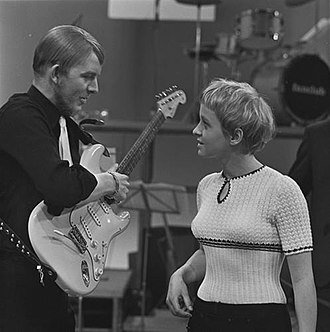
Briggs with guitar (Dutch TV, 1967)
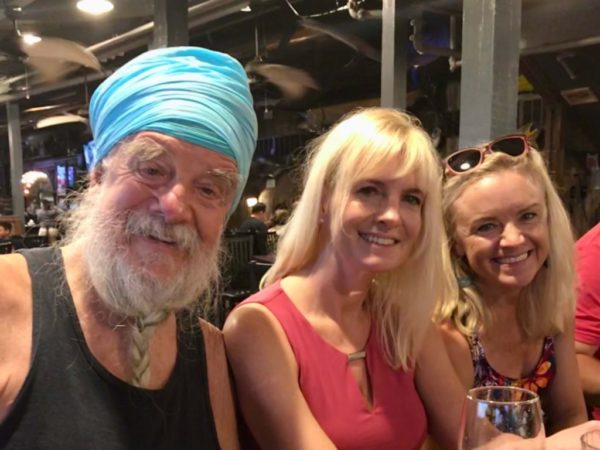
ANTION VIKRAM SINGH: Former rock-star Antion Vikram Singh left Eric Burdon and the Animals nearly 30 years ago to pursue a spiritual practice that led him to study and then perform sacred Indian music in Sikh gurdwaras throughout the world. He was introduced, by chance, to Hawaiian music and has now succeeded in working it into his eclectic repertoire. Before he joined the Animals, the London-born guitarist played with entertainers like Rod Stewart and Dusty Springfield. Jimi Hendrix, who once named him as one of his three favorite musicians, alongside idols Eric Clapton and Jeff Beck. In 2008, Briggs and his family relocated to New Zealand, the country of his wife’s early years, where Briggs, now known as Antion Meredith, and his wife of over forty years, now known as Elandra Kirsten Meredith, are yoga instructors. Source: Invisible Music
My father’s future is unknown. I know he’s going to move forward into it with grace and courage, his way. I know that he has lived a life most of us can hardly imagine. I know that he has always tried to make the very best choices for himself and his family. I know I am an excellent driver, speed reader, natural songwriter-singer-performer, great writer (so I’ve been told) and logical thinker, because of him. I know that he has taught me much, so much so that it remains to be quantified or probably never ever can be.
I know he’s been the very best father he could possibly be. I know that he loves us deeply and is so proud of me and my sister.
I know that he would give anything to be in my kitchen, with my mother, making a casual lunch on a random day, when they never knew their daughter was listening and appreciating and loving them in the other room.
Happy Father’s Day, Papaji. I love you.
Coach Pritam Potts is a writer and strength coach. After 16+ years of training athletes and clients of all ages as co-owner of Edmonds-based Advanced Athlete LLC, she now lives in Dallas, Texas. She writes about health & fitness, grief & loss, love & life at www.advancedathlete.com.
The article, entitled ‘Fitness Corner: An (extra)ordinary Father’s Day’ first appeared here.
ASIA SAMACHAR is an online newspaper for Sikhs / Punjabis in Southeast Asia and beyond.Facebook | WhatsApp +6017-335-1399 | Email: editor@asiasamachar.com | Twitter | Instagram | Obituary announcements, click here |
Hukumi Kaur – Photo: Karan Sharma; Courtesy of Chauraasi Ki Nainsaafi: The continuing injustice for the 1984 Sikh massacre (Amnesty International India briefing released in 2017)
By Jagdesh Singh | OPINION |
I was only 9. So, the memories are a little sketchy. My parents, uncles and aunties were typically boisterously loud at the dining table whenever we converged at my Maanji’s house in Tronoh Mines, Ipoh. Being her eldest grandchild present in the house at those times, I was allowed to linger around and eavesdrop conversations.
There was always a cool breeze coming from the Kinta River right behind Maanji’s house. But the loud tones that were filled with rage and frustration that evening contributed more to the spine tingling shivers than the breeze itself.
My father and his brothers weren’t your typical traditional Sikhs, none were with untrimmed beards, and my father solely had cropped hair. They were all educated with westernised ideals, more liberal than others within their peers.
The sentences that were being spoken all rung loud with incredulous thoughts. There was anger, as if a nerve was tampered with, and the emotional pain was palpable.
I couldn’t understand much but from the BBC news on the radio, and on our TV3 news at 8pm daily, I knew the Golden Temple was in a war zone of sorts. Pictures and videos of tanks, of men in army attire, were highlighted. And I knew the Golden Temple was a special place for us because any Sikh house you go to, there was always one of its photos in the living rooms. To a 9 year old with a wild imagination, any temple that was made in gold was bound to be magical. I could make sense that Sikhs all around the world, well, at least in Malaysia, were pretty pissed off that someone would attack something so dear to us, to our identity, to our pride of our history and our heritage.
A few months passed and my dad was on the phone with someone else as I was watching TV in the living room. He slammed the phone receiver and exclaimed to my mother, “They shot her! She’s finally dead!”
But the mood rapidly pivoted in the direct opposite in the next 12 hours as news of the so-called Delhi ‘riots’ emerged. As it got clearer that the riots were deadly and targeted Sikhs, the same anger and rage I felt in Tronoh Mines were twofold now, my dad and his Punjabi peers were no more talking in hushed tones.
There was nothing anybody from Malaysia could do. Condemnation fell on deaf ears. Visas to travel India were revoked or denied. We were cut off from our Motherland.
Sant Jarnail Singh Bhindranwale was painted, by the Indian government propaganda machines, as a terrorist that had forced Indera Gandhi’s hands. They say he incited violence and they had no choice. This narrative seeped into the Sikh diaspora in Malaysia and gained traction to a certain extent.
Even so, the damage was done. A chasm between the Sikh Punjabis with their Hindu Indian friends cracked open. Small mobs in the more rural areas appeared, with Punjabi homes attacked designed to strike fear, and to avenge the death of their mother leader in India.
Black turbans were dyed, and began to appear as a sign of solidarity with the fallen from the attack on Harmandir Sahib, as well as the tortured families from the Delhi pogroms. Bollywood movies, particularly of Amitabh Bachan were ignored, the emotional wounds still so fresh after clips of his instigation were shared around.
Today, the wounds appear to be healed, but when Sikhs of my generation, and of the ones before me, reminisce those dark days of ’84, the bitter taste of anger can be tasted. The sins of those who perpetrated the killings and the attack on our psyche, of the torture for those who saw their loved ones killed in cold blood, are now exposed for all to see. Independent studies, artistic representation in movies and plays, are still bringing more light to what happened, why they happened, and even how.
Those tainted as terrorists are now being treated as martyrs for the greater cause of justice.
For the younger generation, of my daughters’, making this dark episode somewhat relevant or resonate with them would be our challenge. It happened before their lifetimes. Why would they even care?
I don’t know the answer to this. But I would hope that my peers and friends of my generation sit down and talk about it, tell them why it was such a big deal, and continues to be a big deal. Tell them the affects it had on our behaviours till today. Tell them that it’s a reminder of who we are, and why we should never sit on our laurels forgetting the sacrifices made for us to be who we are today.
It still hurts.
Jagdesh Singh, a Kuala Lumpur-based executive with a US multinational company, is a father of three girls who are as opinionated as their mother
* This is the opinion of the writer, organisation or publication and does not necessarily represent the views of Asia Samachar.
ASIA SAMACHAR is an online newspaper for Sikhs / Punjabis in Southeast Asia and beyond.Facebook | WhatsApp +6017-335-1399 | Email: editor@asiasamachar.com | Twitter | Instagram | Obituary announcements, click here |
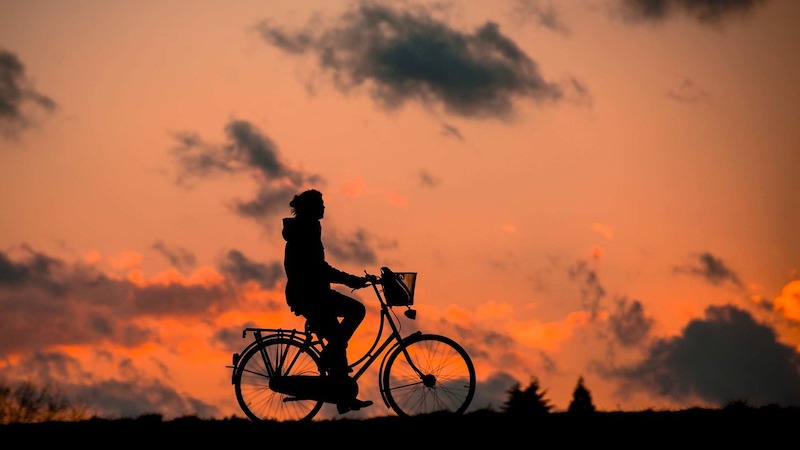
A recent letter in The Guardian highlights the link between the emergence of radical feminism and cycling in Britain’s social history. The piece highlights how in her teenage years in the 1890s, the great suffragette Sylvia Pankhurst recounts how she and a band of carefree lefties would ride out of Manchester each weekend. ‘Criss-crossing rural Lancashire and Cheshire, her cycling club was one of many associated with the Clarion, a popular socialist weekly newspaper’.
Reading the piece brought a smile to my face and prompted me to reminisce on my own relationship to cycling and the radical tradition. Though I have never actually belonged to a cycling club, which is probably through the fear of being left behind by younger slim athletic types, as a lone cyclist, I do have my own story linking the development of my own radical consciousness and cycling. For many years during the 1990’s, I used to cycle from my house in Warwick to the university which was some 10 miles away. It was a beautiful route through the South Warwickshire countryside. The connection is that during this period I happened to be reading two books, both linked to revolutionary socialists which have interesting associations with cycling or at least traveling on two wheels.
The first book was written by one of my heroes, Ernesto “Che” Guevara’, called The Motorcycle Diaries. It is a true story set in 1952 about two young men from Buenos Aires who set out to explore South America on a 500cc Norton. One of them was a young 23-year-old trainee doctor, Ernesto ‘Che’ Guevara. Written before the Cuban Revolution, the diaries are full of disasters, discoveries, drama, and laddish improvisations. As we all know, Che went on to become perhaps the most famous revolutionary socialist that ever existed.
Turning the clock back even further, I can recall during my teenage years in the 1970’s proudly wearing t shirts adorned by Che Guevara’s iconic image that was taken by the Cuban photographer, Alberto Korda. Instantly recognisable, the image shows a youngish man donning a tilted beret and flowing locks and scraggy beard. But perhaps most of all it was Che’s facial expression, projecting dignity and defiance, that really captured the imagination of young revolutionaries like me. He was at once a hero and role model and just looking into his face we all felt compelled to embark on the path of a revolutionary.
I think as a ‘laddish revolutionary’, though perhaps nowadays the armchair variety, I have always been inspired by Che’s impulsive escapades and courage to engage in struggles, despite the odds. For me Che was the embodiment of the Sikh concept of ‘chardhikala’ or ‘boundless optimism’. Some revolutionary struggles are political in nature, and at the extreme, as Che Guevara demonstrated, can involve armed struggle. But often, revolutionary struggles do/can take the form of confronting cultural oppression, that is repressive traditional attitudes towards women and minorities or all kinds; attitudes that are sadly still deeply lodged within our communities. If we look at the lives of the Sikh Gurus, who in their own way were revolutionaries, we can see examples of a wide range of anti-oppressive strategies, from questioning the prevailing social attitudes, education, and intellectual arguments, through to confronting rules and taking up arms, though, as Guru Gobind Singh Ji sets out, only as an absolute last resort.
The second book is Annie Cohen-Solal’s 600-page biography of Jean-Paul Sartre. It is a fascinating exposure of untold aspects of Sartre’s private and political life, especially his longstanding and complex relationship and with the feminist writer, Simone de Beauvoir. In the book Cohen-Solal recounts that Sartre and de Beauvoir would often go on long cycle across the French countryside journeys to various speaking engagements and along the way they would debate any number of topics, related to existentialism, Marxism and feminism. I used to imagine being a third invisible cyclist listening in to their profound conversations as they gently meandered across the French countryside
Coming back to my humbler journeys to and from university in the Warwickshire countryside, in my own way, I, too, used my cycling as a space for reflection and thinking. Though I am otherwise a very social animal, I must admit, there is something magical about the solitude of being on your own. Though in a small country like the UK, one is never really in true isolation, as a lone cyclist on the open road I feel different emotions to those when I am with others. From a real sense of liberation to a fear that any moment might be your last, is a feeling that can only truly be experienced in solitude, in the knowledge that if something does go wrong, you are on your won. And in this heightened sense of self-reliance one does build up a kind of courage and resourcefulness that otherwise may not be possible.
I think another aspect of going solo, especially where there is a high element of risk, is the way one developed heightened sense of vulnerability. The feeling of imminent danger and worse is particularly prevalent when traveling at quite a high speed, knowing full well that if you do crash, you are alone! On longish journeys, I often find myself being transported into another space lost in my thoughts, which are almost always related to the nature of being, existence, and the meaning of life. They are in their own ways mediations and think there is something about cycling in nature, away from the noise of people that really does focus the mind.
Most people who think about cycling, and especially the long-distance version is all about the physical challenge. For sure, any activity that required the use of the body makes physical demands, but I have over the years come to realise that cycling is really all about the mind. It is a way to develop yourself intellectually and I would argue spiritually. In feeling the physical pain and existential threat, in a paradoxical sense, you experience life to its full. And when you realise this, you appreciate that the pain is a prerequisite to immense pleasure and the fear is a portal to courage, imagination and a heightened sense if being alive. Perhaps when Guru Nanak uttered the words, pain and suffering are the medicine, pleasure is the disease, this is what he was getting at. Namely, that it is important to challenge oneself, both mentally and physically, not in some pointless religious ritual of self-suffering, but to engage in a process of personal growth and development, and social change.
[Gurnam Singh is an academic activist dedicated to human rights, liberty, equality, social and environmental justice. He is an Associate Professor of Sociology at University of Warwick, UK. He can be contacted at Gurnam.singh.1@warwick.ac.uk]
* This is the opinion of the writer and does not necessarily represent the views of Asia Samachar.
ASIA SAMACHAR is an online newspaper for Sikhs / Punjabis in Southeast Asia and beyond.Facebook | WhatsApp +6017-335-1399 | Email: editor@asiasamachar.com | Twitter | Instagram | Obituary announcements, click here |
Parm Sandhu on the racism she faced as a senior Met police officer – and on being deserted on a night shift
At the start of her career in the Metropolitan Police, newly trained and eager to put what she had learnt into practice, Parm Sandhu had a stark lesson in how some of her colleagues saw her.
On a night shift in an unlit area of east London, her partner for the shift deserted her, and her uniform made her a target rather than a figure of authority. Two men approached to ask if she was “on the game”. Despite their laughter, Sandhu remembers being “terrified” that she would be assaulted or raped.
The reason why Sandhu, a 25-year-old rookie in 1990, believes she found herself in this situation was because her colleague took issue with the colour of her skin and decided to leave her there.
“My radio didn’t work, we didn’t have mobile phones. I was absolutely terrified,” she says, recalling that night shift.
“I look back and I think: ‘That was such an unfair, horrible thing to do.’ Because whatever you think of an individual… you are putting them in danger. Not because they have upset you, or they’ve been horrible to you… but based on the colour of their skin.”
It is just one of many accounts of racism and sexism that Sandhu, now in her mid-fifties and born in Birmingham to immigrants from Punjab, India, has recounted in her memoir Black and Blue, which has just been published.
After leaving an abusive arranged marriage, she joined the Met in 1989 and eventually became a chief superintendent, one of the highest ranking female Asian officers in its 189-year history.
But discrimination bookended her rise through the UK’s largest police force, her resignation after three decades – and marred the chapters in between.
It’s a wonder that Sandhu, who lives in Kent, did not hand in her badge after her experience in east London. She almost did, until a fellow Asian woman in the force offered her a moment of clarity and they made a pact to support each other in the job. “I like a good fight, a fair fight,” Sandhu tells i.
“I genuinely believe that you are not going to change organisations by standing on the outside… The only way you’re going to do that is by being the voice within.”
Read the full story, ‘Parm Sandhu on the racism she faced as a senior Met police officer – and on being deserted on a night shift'(inews,16 June 2021), here
ASIA SAMACHAR is an online newspaper for Sikhs / Punjabis in Southeast Asia and beyond.Facebook | WhatsApp +6017-335-1399 | Email: editor@asiasamachar.com | Twitter | Instagram | Obituary announcements, click here |
Milkha Singh, legendary sprinter famous as the Flying Sikh, died of post-Covid complications at a hospital in Chandigarh, at 11.30 pm on Friday (18 June). He was 91.
The 1958 Commonwealth Games champion and 1960 Rome Olympian had tested positive for the virus on May 20 and was admitted to a private hospital in Mohali, Punjab, on May 24.
“He fought hard but God has his ways and it was perhaps true love and companionship that both our mother Nirmal ji and now Dad have passed away in a matter of 5 days,” his son and golfer Jeev Milkha Singh said in a statement.
Nirmal Kaur, Milkha’s wife and former Indian spiker and Indian national volleyball team captain, had succumbed to Covid-19 complication on 13 June. She was 85.
Milkh, born in Gobindpura – in present day Pakistan – was the first Indian track and field athlete to win gold in the then British Empire and Commonwealth Games in Cardiff in 1958. He remained the only one for more than 50 years before discus thrower Krishna Poonia won gold at the 2010 CWG in Delhi. Singh had beaten Malcolm Spence of South Africa with a timing of 46.6 seconds in the Scottish city, reports The Indian Express.
While he had also won four Asian Games gold medals – 200m and 400m in 1958, and 400m and 4x400m relay in 1962 – Singh’s most memorable moment came at the 1960 Rome Olympics where he finished fourth in the 400m final in a photo-finish. Singh’s then national record timing of 45.6 seconds, set in Rome, was broken by Paramjeet Singh in 1998, the report added.
Nirmal Milkha Singh, like her husband, hawked newspaper headlines in late 60s and early 70s, first as an athlete and later as an outstanding volleyball player. She led Indian women’s volleyball team in international matches, including Sri Lanka.
It was during her posting as a Physical Education teacher at a Ropar College that she met Flying Sikh Milkha Singh and later they got married. She served the Punjab Sports Department as Deputy Director before joining the Chandigarh Administration on deputation as Joint Director as well as Secretary, Chandigarh Sports Council.
The couple is survived by three daughters – Mona Singh, Aleeza Grover and Sonia Sanwalka as well as Jeev Milkha.
ASIA SAMACHAR is an online newspaper for Sikhs / Punjabis in Southeast Asia and beyond.Facebook | WhatsApp +6017-335-1399 | Email: editor@asiasamachar.com | Twitter | Instagram | Obituary announcements, click here |