

















UA-56202873-1
Page 600

Why Butterworth gurdwara moved to new builiding

1
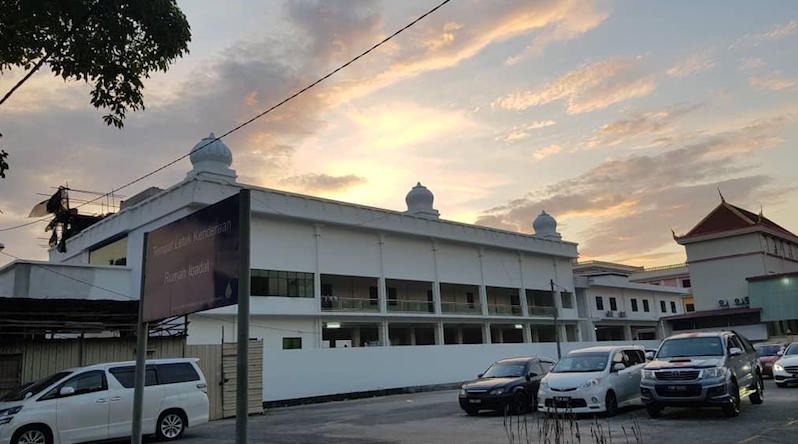
IN THE MAKING: New Butterworth gurdwara complex towards tail end of its construction – Photo: Supplied
By Asia Samachar Team | MALAYSIA |

Why move? This was the most common question raised when the Butterworth Sikhs were on the fund raising trail for a new gurdwara building.

On Saturday (19 Jan 20190, Sikhs of this northern city of Peninsular Malaysia made the 4km move, bringing the Guru Granth Sahib to the new building in a symbolic gesture of kick starting life at the spanking new two-storey building costing more than RM5 million.

“When we went out for our donation drives, the Sanggat had raised the question again and again: Why the shift?” Gurdwara Sahib Butterworth (GSB) president Narinder Singh told Asia Samachar.

Narinder and his team had wrestled hard with the question.

The move, he said, was driven by a combination of factors. First, the state government had designated a new religious enclave for places of worship with the Sikhs, too, purchasing a piece of land. Second, the old building was dilapidated and needed major repairs for safe and proper continuous use. Third, part of the land of the old building had already been acquired by the state for development works. Fourth, the old building would be leased to provide the gurdwara a new source of income.

The land where the new gurdwara building sits on today, measuring 1.01 acres (45000 sq feet), was bought for RM250,000 in 1988.

It is part of a religious enclave earmarked by the Penang state government. In the area today stands a church, two Hindu mandirs, a Buddhist temple and a Chinese temple. The Sikhs are the last to build and occupy their place of worship.

“The state government has been kind enough to give us extension over the years from having to move to the new location,” said Narinder. “But we felt we could no longer drag it further. Hence, in 2014, we started work on the new building.”

HISTORY

The Butterworth gurdwara history dates back to the 1920s.

By the beginning of the 20th Century, there were a few Sikhs employed as watchmen by the Straits Trading Company Ltd. in Butterworth. These Sikhs and their families were provided with living, quarters in the ‘Sikh Lines’ near the vicinity of the company’s smelting works along what is now known as Jalan Pantai, according to an entry at the GSB website.

In the 1920’s, the British management of the company allowed one of its quarters in the Sikh Lines to be used by the Sikhs as a place of worship, according to the article. “This small Gurdwara Sahib was able to accommodate the Sikhs and their families during prayers. There were no regular Granthis, and as such, the Sikhs managed the Gurdwara Sahib by rendering voluntary service,” it said.

TO CATCH SOME LIVE FACEBOOK VIDEOS, GO TO BUTTERWORTH GURDWARA FACEBOOK PAGE HERE

In 1934, a piece of land, was purchased along Chain Ferry Road. The Sikhs built a Gurdwara Sahib building, a single storey brick structure with a tiled roof, which was completed by the end of 1934. Gradually, the Sikh sangat started to grow and this Gurdwara Sahib could not accommodate everyone. Finally in 1968, this Gurdwara Sahib was demolished to make way for a new building.

In 1968, building plans were approved to construct a three-storey building, which was declared open in 1971.

NEXT STEP

So, for the last 47 years, Butterworth Sikhs were centred in their three-storey building gurdwara. At least three generations had grown with the building playing a role at crucial points of their life – be it janam sanskaar of a newborn or marriage or death. Many Gurmat camps were also conducted here.

However, the changes to the old town around the gurdwara were beginning to show. The aged gurdwara building was also starting to stare at the local community.

After the 1988 land purchase, the Butterworth gurdwara committee and congregation had always been faced with the question of when they would want to develop it.

Things finally fell into place in 2014, the same year when entrepreneur Narinder was elected as GSB management committee president.

There was also the land acquisition by the state in the 1980s. A part of the gurdwara land – still sitting within the gurdwara fenced area – had actually been acquired by the state for a planned road widening. However, the proposal did not happen, though the land had already been acquired by the state.

“So, on paper, that part of the land is no longer ours,” he said.

More importantly, Narinder said the old gurdwara building required substantial funding for its upkeep.

“The building is old. The [electrical] wiring is old. We had a small fire at the switchboard while kirtan was going on sometime ago.

“We were mulling minor renovation while raising funds for the eventual new building. In 2014, we decided to go ahead with the new building. We had RM1 million which was raised earlier,” he said.

After much effort, Butterworth finally has a new gurdwara building. The total built-up area is 27,000 sq ft, making it the largest darbar sahib in the north of Peninsular Malaysia.

“We decided to built as large a gurdwara as we can. We don’t know what kind of restrictions may be placed in future, if any,” he said.

The new gurdwara complex also houses the weekend Punjabi school, one of the largest in terms of student numbers in the north of Peninsular Malaysia.

“At the peak, we had about 130 students. Now its about 110,” he said.

The gurdwara is also active when it comes to organising programmes for visiting ragi jathas. “We are ready to hold Samelans functions. We will work with everyone,” he said.

Moving forward, the gurdwara plans to hire full-time professional music teachers to conduct table and waja classes for the north region.

STRATEGIC LOCATION

The new area is strategically located, with many of the businesses from the older part of the town having moved into the area.

“We bought the land four decades ago. The land value has certainly gone up,” he said. One estimate had put the new gurdwara land value at RM3 million.

Across the road from the gurdwara, the Sunway Group is building a 180 bed hospital to be ready in two years. There is also the Sunway Carnival Mall and Sunway Hotel nearby.

FUNDING

Todate, GSB has spent about RM5.4 million. The team had collected about RM4 million over the years from the Sanggat in Malaysia, Australia, New Zealand, UK and other countries.

In the recent months, the gurdwara committee had raised another RM600,000 in soft-loans from the local congregation to bring up to speed the final part of the building construction. They also have in hand a commitment for RM200,000. All in, GSB is still short of some RM500,000.

The new complex marks another chapter in the long, cherished history of Sikhs in Butterworth.


RELATED STORY:

Butterworth Sikhs all set to welcome spanking new gurdwara building (Asia Samachar, 3 Jan 2019)

Butterworth gurdwara hearse to serve Sikhs in Penang, Kedah (Asia Samachar, 20 Feb 2018)


ASIA SAMACHAR is an online newspaper for Sikhs / Punjabis in Southeast Asia and beyond. Facebook | WhatsApp +6017-335-1399 | Email: editor@asiasamachar.com | Twitter | Instagram | Obituary announcements, click here |

How to live your life?

0

You don’t have to live your life the way other people expect you to – Chris Guillebeau


RELATED STORY:

What do great minds do? – ToonistBains (Asia Samachar, 10 Nov 2018)


ASIA SAMACHAR is an online newspaper for Sikhs / Punjabis in Southeast Asia and beyond. Facebook | WhatsApp +6017-335-1399 | Email: editor@asiasamachar.com | Twitter | Instagram | Obituary announcements, click here |

Malacca Vidyala gets handsome donation from estate of former Baba Sohan Singh shardalu

1
Reshminder handling the donation cheque to SSSJMMSM president Rejinder – Photo: Supplied

By Asia Samachar Team | MALAYSIA |

Sant Sohan Singh Ji Melaka Memorial Society Malaysia (SSSJMMSM) today (19 Jan 2019) received a ‘generous’ donation from a family that had a close relationship with the former Malacca granthi in whose memory the society was formed.

Reshminder Singh, a former vice president of the 47 year old organisation, made the donation on behalf of his family as per the wishes of his late parents.

“My late mother had willed it that should the siblings sell the family home, one portion would go to the Vidyala. She had also expressed the wish that the donation be channeled towards education,” he told Asia Samachar when contacted.

SSSJMMSM, popularly known as the Vidyala, was established in 1972 in the memory of Baba Sohan Singh, the renowned granthi of Gurdwara Sahib Malacca and a respected Sikh preacher in Southeast Asia in the 1960s and 1970s.

Reshminder, who is involved in the recycling business in Texas, and all his siblings have migrated to the United States and are settled there.

What is the back story to the donation? In 1968, Reshminder’s dad Ranjit Singh, then a police clerk based in Ipoh, Perak, had showed Baba Sohan a house in Sibilin, Ipoh, that he wanted to purchase. Baba Sohan did an ardas and told him to proceed with the purchase.

In her will, the late Pajan Kaur had stated that should her children decide to sell the house, one portion of the sale should go to the Vidyala.

The donation was received by SSSJMMSM president Rejinder Singh Dhaliwal, vice presidents S S Muker and Tarlochan Singh Dhaliwal and secretary Daljit Singh.

In expressing thanks to Reshminder and family, Rejinder hoped the generous donation would inspire other members to make similar generous donations to the society to carry out its duties and obligations for the betterment of the Sikh community.

“Aside from organising the annual programme in the memory of Baba Sohan Singh, the Vidyala has also join hands with other Sikh societies to promote Sikhi in Malaysia. We are also in the process of reviving the granthi training programme,” Rejinder told Asia Samachar.


RELATED STORY:

Chance for Malaysians to become fully trained granthis (Asia Samachar, 1 Dec 2018)


ASIA SAMACHAR is an online newspaper for Sikhs / Punjabis in Southeast Asia and beyond. Facebook | WhatsApp +6017-335-1399 | Email: editor@asiasamachar.com | Twitter | Instagram | Obituary announcements, click here |

ਮੈਂ ਗੁਰਦੁਆਰੇ ਨਹੀਂ ਜਾਣਾ!  | I Won’t Go To The Gurdwara Again…

0
 
Punjabi Translation By Dr Rajwant Singh | OPINION

ਇਕ ਲੜਕੀ ਆਪਣੇ ਪਿਤਾ ਕੋਲ ਗਈ ਅਤੇ ਕਿਹਾ …”ਮੈਂ ਹੁਣ ਗੁਰਦੁਆਰੇ ਨਹੀਂ ਜਾਵਾਂਗੀ..”

ਪਿਤਾ ਨੇ ਕਿਹਾ: “ਕੀ ਮੈਂ ਇਹ ਪੁੱਛ ਸਕਦਾ ਹਾਂ ਕਿ ਕਿਉਂ?”

ਓਹ ਕਹਿੰਦੀ: “ਜਦੋਂ ਮੈਂ ਉੱਥੇ ਜਾਂਦੀ ਹਾਂ ਤੇ ਮੈਂ ਦੇਖਦੀ ਹਾਂ ਕਿ ਲੋਕ ਆਪਣੇ ਮੋਬਾਇਲ ਫੋਨ ਤੇ ਗਲਾਂ ਕਰ ਰਹੇ ਹਨ ਅਤੇ ਕੀਰਤਨ ਨਹੀਂ ਸੁਣ ਰਹੇ, ਕੁਝ ਚੁਗਲੀਆਂ ਕਰਦੇ ਹਨ, ਲੋਕ ਇਕਸਾਰਤਾ ਨਾਲ ਨਹੀਂ ਜੀ ਰਹੇ ਹਨ, ਉਹ ਸਭ ਕੇਵਲ ਪਖੰਡੀ ਹਨ …”

ਪਿਤਾ ਜੀ ਚੁੱਪ ਹੋ ਗਏ ਤੇ ਫਿਰ ਕਿਹਾ: “ਠੀਕ ਹੈ … ਕੀ ਮੈਂ ਤੁਹਾਨੂੰ ਆਖ਼ਰੀ ਫੈਸਲਾ ਕਰਨ ਤੋਂ ਪਹਿਲਾਂ ਤੁਹਾਡੇ ਲਈ ਕੁਝ ਕਰਨ ਲਈ ਕਹਿ ਸਕਦਾ ਹਾਂ?”

ਓਹ ਕਹਿੰਦੀ: “ਹਾਂ .. ਉਹ ਕੀ ਹੈ?”

ਓੁਸ ਨੇ ਕਿਹਾ: “ਪਲੀਜ ਇਕ ਗਲਾਸ ਪਾਣੀ ਲੈ ਕੇ ਗੁਰਦੁਆਰਾ ਸਾਹਿਬ ਦੇ ਆਲੇ ਦੁਆਲੇ ਘੁੰਮ ਕੇ ਆਓ । ਪਰ ਪਾਣੀ ਨੂੰ ਗਲਾਸ ਤੋਂ ਬਾਹਰ ਨਾ ਡੁਲਣ ਦੇਣਾ।”

ਓਹ ਕਹਿੰਦੀ: “ਹਾਂ … ਮੈਂ ਯਕੀਨਨ ਅਜਿਹਾ ਕਰ ਸਕਦੀ ਹਾਂ.”

ਫਿਰ …ਉਹ ਵਾਪਸ ਆ ਗਈ ਅਤੇ ਕਿਹਾ: “ਇਹ ਕੀਤਾ ਗਿਆ ਹੈ ਅਤੇ ਆਹ ਹੈ ਪਾਣੀ ਦਾ ਗਲਾਸ|”

ਪਿਤਾ ਨੇ ਤਿੰਨ ਸਵਾਲ ਪੁੱਛੇ:

1. ਕੀ ਤੁਸੀਂ ਕਿਸੇ ਨੂੰ ਫੋਨ ਤੇ ਵੇਖਿਆ?

2. ਕੀ ਤੁਸੀਂ ਕਿਸੇ ਨੂੰ ਚੁਗਲੀ ਕਰਦੇ ਦੇਖਿਆ?

3. ਕੀ ਕੋਈ ਚੰਗਿਆਈ ਤੋਂ ਬਿਨ੍ਹਾਂ ਦਿਖਿਆ ਸੀ?

ਓਹ ਕੇਹਂਦੀ: “ਮੈਂ ਕਿਸੇ ਹੋਰ ਨੂੰ ਕਿਵੇਂ ਵੇਖ ਸਕਦੀ ਸੀ? …. ਮੈਂ ਕੁਝ ਨਹੀਂ ਦੇਖਿਆ; ਜਿਸ ਥਾਂ ‘ਤੇ ਮੈਂ ਫੋਕਸ ਕੀਤਾ ਸੀ, ਉਹ ਸਿਰਫ ਗਲਾਸ ਅਤੇ ਪਾਣੀ ਸੀ। ਇਹ ਯਕੀਨੀ ਬਣਾਉਣ ਲਈ ਕਿ ਪਾਣੀ ਡੁਲੇ ਨਾ।”

ਪਿਤਾ ਨੇ ਉਸ ਨੂੰ ਕਿਹਾ, “ਜਦੋਂ ਤੁਸੀਂ ਗੁਰਦੁਆਰਾ ਸਾਹਿਬ ਜੀ ਜਾਂਦੇ ਹੋ ਤਾਂ ਤੁਹਾਨੂੰ ਇਹੋ ਕਰਨਾ ਚਾਹੀਦਾ ਹੈ … ਤੁਹਾਨੂੰ ਸਿਰਫ਼ ਵਾਹਿਗੁਰੂ ਜੀ (ਰੱਬ) ‘ਤੇ ਧਿਆਨ ਕੇਂਦਰਤ ਕਰਨਾ, ਸੋਚਣਾ ਅਤੇ ਜੁੜਨਾ ਚਾਹੀਦਾ ਹੈ, ਅਤੇ ਦੇਖੋ ਕਿ ਤੁਸੀਂ ਕਿਵੇਂ ਤਰੱਕੀ ਕਰ ਸਕਦੇ ਹੋ ਅਤੇ ਦੂਜਿਆਂ ਦੀ ਮਦਦ ਕਰਨ ਲਈ ਆਪਣੇ ਆਪ ਨੂੰ ਕਿਵੇਂ ਜੁਟਾ ਸਕਦੇ ਹੋ। ਇਸ ਨਾਲ ਤੁਸੀਂ ਕਦੇ ਵੀ ਜ਼ਿੰਦਗੀ ਵਿੱਚ ਡਿੱਗੋਗੇ ਨਹੀਂ।

ਧੀ ਨੇ ਵਾਹਿਗੁਰੂ ਜੀ ਨਾਲ ਧਿਆਨ ਦੇ ਤੱਤ ਦੀ ਅੰਦਰੂਨੀ ਸਿੱਖਿਆ ਨੂੰ ਸਮਝਾਉਣ ਲਈ ਆਪਣੇ ਪਿਤਾ ਦਾ ਧੰਨਵਾਦ ਕੀਤਾ।

A daughter went to her father and said: “I won’t be going to Gurudwara anymore..”

The father said: “Iay I ask why?”

She said: “When I go there All I see is people on their mobile phones during service and kirtan, some are gossiping, some just are not living with integrity, they are all just hypocrites…”

Father became silent, and then said: “OK… can I ask you to do something for me before you make your final decision?”

She said: “Yes.. what’s that?”

He said: “Please take a glass of water and walk around the Gurdwara Sahib two times; but you mustn’t let water fall out of the glass.”

She said: “Yes… I can definitely do that.”

Then…She came back and said: “It’s done and here is the glass of water”

He asked her three questions:

1. Did you see anybody on their phone?

2. Did you see anybody gossiping?

3. Was anybody living without Integrity?

She said: “How could I have seen anyone else?…. I didn’t see anything; All I was focused on was the glass and the water within it., making sure the water never dropped.”

He told her: “When you go to  Gurdwara Sahib Ji, this is what you should do… you should be simply focusing, thinking and connecting to Waheguru Ji (God), and see how you can progress and help yourself to help others.. this is so that YOU don’t ever FALL in life.”

The daughter thanked her father for helping her understand the inner learning of the essence of our focus with Wahiguru Ji. – Source: Unknown

ASIA SAMACHAR is an online newspaper for Sikhs / Punjabis in Southeast Asia and beyond. Facebook | WhatsApp +6017-335-1399 | Email: editor@asiasamachar.com | Twitter | Instagram | Obituary announcements, click here |

Singapore’s low-cost airline Scoot to expand service in India – Report

0


Singapore-based budget carrier Scoot Air earlier this week said that it would expand its service in India with the addition of three new destinations Coimbatore, Trivandrum and Visakhapatnam.

The long-haul, low-cost, wholly-owned subsidiary of Singapore Airlines, entered Indian market in 2016 with flight services to Chennai, Amritsar and Jaipur, reports PTI.

Flights to Trivandrum (5-times weekly) will commence from May 7 2019, and flights to Coimbatore (5-times weekly) and Visakhapatnam (3-times weekly) will start from October 27, the airline said.

Upon taking over the routes from SilkAir, Scoot will be the only airline operating direct non-stop flights between Singapore and Visakhapatnam and Trivandrum, the report said.


ASIA SAMACHAR is an online newspaper for Sikhs / Punjabis in Southeast Asia and beyond. Facebook | WhatsApp +6017-335-1399 | Email: editor@asiasamachar.com | Twitter | Instagram | Obituary announcements, click here |

Fake internet traffic growing by the day

0

The next time you get a like or see some action online, don’t get too excited. There may not be a real person behind the action.

Close to half the internet traffic is fake as it is driven by bots and not human, says Malaysian advertising expert Harmandar Singh.

“This fake traffic is growing by the day,” he said in a short video on what is happening in the marketing and advertising industry. CLICK TO SEE THE VIDEO

An internet bot is a software application that runs automated tasks over the Internet.

He cautioned that 2019 will be a year with plenty of falsehood.

In November 2018, the innovative and energetic advertising genius was inducted into the International Advertising Association (IAA) Malaysia Hall of Fame.

Ham, as he is better known within the industry circle, has created 400 commercials in his three decades involvement in marketing and brand communications. He is the publisher of the Marketing and ADOI magazine.


RELATED STORIES:

Go Gobind book presented at Malaysian CMO awards night (Asia Samachar, 28 Nov 2018)

Harmandar Singh inducted into Malaysia advertising hall of fame (Asia Samachar, 19 Nov 2018)


ASIA SAMACHAR is an online newspaper for Sikhs / Punjabis in Southeast Asia and beyond. Facebook | WhatsApp +6017-335-1399 | Email: editor@asiasamachar.com | Twitter | Instagram | Obituary announcements, click here |

Religiosity & Spirituality

0


By I.J. Singh | OPINION |

The nexus of spirituality and religiosity has long haunted me. Are they intimately, inseparably interconnected or are they independent constructs?  We all know bright articulate people who cheerfully admit fealty to either spirituality or religiosity (usually the former) while denying any great feeling for its partner.

How to parse spirituality and religiosity? My effort today emerges from having run into some bright and challenging minds.  Let me make a rambling case for my view.

If I have learned anything from participating in myriad interfaith events, it is this: Most religious people, in their saner moments, cheerfully concede the universality that underlies different faiths of mankind.

Buddha was so moved by suffering that he walked away from his regal life.  Jesus personified humility and charity, Mohammed forgave his mortal enemies, Nanak and his successor Guru-founders of Sikhism laid their heads on the line to protect those who were not Sikh. Similar examples abound in all the great religions of mankind

It seems to me that the essential spiritual message of the Masters was to discover the divinity that is inherent within each of us, and nurture it such that it defines our lives (“Munn too jot saroop haen apnaa mool pehchhaan” (ਮਨ ਤੂੰ ਜੋਤਿ ਸਰੂਪੁ ਹੈ ਆਪਣਾ ਮੂਲੁ ਪਛਾਣੁ ॥) (Guru Granth p. 441).

To my mind this universal connectivity defines essential spirituality.

Spirituality speaks of a life of introspection, of traits that define character, and values that speak of our human potential as useful productive members, even icons of society.  This defines the human and his/her place not in an imaginative existence after death but here and now in the life we have earned.  True that this demands individual focus, and dedication but its goal and endpoint is the community, not isolation from it. Remember that the word “Religion” comes from the Latin Re-Ligare which means to bind or to connect. Connect to what? To the infinity that lies within us all.

Speaking of the expansive diversity of creation, the tenth Sikh Guru-prophet, Gobind Singh, said:

“As out of a single fire,

Millions of sparks arise;

So, from God’s form emerges all creation

Animate and Inanimate.”

Akal Ustat, p. 87.

Or look at the lines in Guru Granth, the repository of Sikh spiritual heritage that declaims an essential truth (Kabir, p. 1349): “Aval Allah nor upaaya kudrat kay sabh banday…” (ਅਵਲਿ ਅਲਹ ਨੂਰੁ ਉਪਾਇਆ ਕੁਦਰਤਿ ਕੇ ਸਭ ਬੰਦੇ ॥) – from the same one light emerges all creation.

One day at the local gurduara I saw a community “leader” berating the congregants for idle casual conversation during the langar, the meal prepared and served gratis by volunteers to every congregant, that is an essential feature of every Sikh religious service irrespective of the religious identity of attendees. The leader demanded that the only conversation be of gurbani. She wanted all small talk banned within the four walls of the gurduara. Just imagine that. Over the years, I have run into more than one such “leader.”

But even though humans are spirit born people, the Spirit of God works its magic through our communal, societal existence, its language and institutions.  Remember that humans, more so in their early infancy but, in fact through life have a vulnerable existence. The community, including the idle chatter therein, becomes some of the essential connecting glue of human bonding that makes survival possible. Spirituality, too, becomes institutionalized in time.  Spirituality and religiosity together then morph into the vital framework of a progressive community.

Communities do not exist in isolation or in a void. History speaks of deeply spiritual people untethered to community life and they often became unable to fight existential threats.  On the other hand, religiosity alone, unbridled by spiritual underpinnings, produced societies with an unexcelled record of injustice, bloodshed and wars. Spirituality alone exists but does not require being physically with others.  Such existence, like that of a solitary prisoner, becomes disconnected from any life around him. One needs to touch both joy and suffering to define the core of human existence.

In any religion essential spirituality comes to us wrapped in the robes, colors, customs, texture, music and cuisine, indeed the context of a specific community. And God only knows how many religions there are, with perhaps as many more to come.

Predictably enough, institutions develop fences around them.  True that good fences make good neighbors but they, along with the authority of institutional religion, direct, and often enclose us in a straitjacket, effectively stunting the quest for spirituality in life.

Fences then become stronger, bulkier and higher. Religiosity thrives while spirituality plummets. (In modern Trumpian rhetoric like walls that might hermetically seal America from its neighbors?) Spirituality declines when walls are such that one may not look through them, climb over them, or communicate across them.  Then the life of interiority that is the foundation for our societal fabric slowly dies, to be replaced by a life of dogma, doctrine and empty ritual.

In other words, spirituality explores the universe within us, religiosity defines the world around us.  Spirituality speaks of values that make us human beings.  In religiosity, buildings, edifices and artifacts – the pride of exteriority – thrive.  How then can universal connectivity prosper?

Most people take refuge in abstract spirituality when they are looking for consolation, to transcend their suffering. They also need an empathetic shoulder to lean on when dealing with grief and joy – the slings and arrows of outrageous fortune. Remember that a collection of strangers is no sangat at all.  I am pointing to our unrealistic expectations from a sangat rooted in and limited mostly to smart phones and related gadgetry,

Of course, not all doctrine and rituals are as negative as they might appear to be. They can give substance and framework even to personal spiritual practice and space. Without them, everything thing could easily disintegrate into touchy-feely miasmic fuzziness. The Gurus condemned blind, pointless rituals, not those ceremonies that connect us to our deeper values and goals.

I submit that neither religiosity nor spirituality alone sustains a well-lived life. The Sikh Doctrine of Miri-Piri takes on this conflict head on. Guru Hargobind, the sixth Guru, formalized the concept that Miri is the external world in which we operate while Piri is our inner core, our infinite identity, Sat Naam.

These two parts of the self – Miri and Piri, life of interiority and that of exteriority – both the world within and the world outside need to remain symbiotically connected. It is a life lived fully in the world, but not of the world. Rather than acting in self-interest, one acts from spontaneous intuition and awareness in every moment.

Rooted in the One, all actions flow from Hukum – the flowing pen of God, as Guru Nanak describes it in Japji.  This exactly is what the doctrine of Miri cum Piri demands.  For a successful life, it is this connection and balance between the inner and outer worlds that we need to continually and thoughtfully nurture. This is the path that is narrower than a “sword’s edge’ as described by Guru Gobind Singh. It is relaxing into perfect balance and acting for the good of all as guided from within.

Sikhi recognizes that our worldly needs must not be denied. For instance, look at the clear rejection of renunciation, ascetism, fasting and denial of pleasure in the false promotion of spirituality.  Miri or Piri?  Sikhi absolutely does not glorify one or downgrade the other. Liberation as a goal is equally available in a joyful life (“Hasa(n)dia Khela(n)dia, paena(n)dia vitchay hovae mukt,” ਹਸੰਦਿਆ ਖੇਲੰਦਿਆ ਪੈਨੰਦਿਆ ਖਾਵੰਦਿਆ ਵਿਚੇ ਹੋਵੈ ਮੁਕਤਿ Guru Granth p. 522).  Worth citing here is also a hymn by saint Dhanna

ਜੋ ਜਨ ਤੁਮਰੀ ਭਗਤਿ ਕਰੰਤੇ ਤਿਨ ਕੇ ਕਾਜ ਸਵਾਰਤਾ ॥੧॥ ਰਹਾਉ ॥

ਦਾਲਿ ਸੀਧਾ ਮਾਗਉ ਘੀਉ ॥ ਹਮਰਾ ਖੁਸੀ ਕਰੈ ਨਿਤ ਜੀਉ ॥

ਦਾਲਿ ਸੀਧਾ ਮਾਗਉ ਘੀਉ ॥ ਹਮਰਾ ਖੁਸੀ ਕਰੈ ਨਿਤ ਜੀਉ ॥

ਪਨ੍ਹ੍ਹੀਆ ਛਾਦਨੁ ਨੀਕਾ ॥ ਅਨਾਜੁ ਮਗਉ ਸਤ ਸੀ ਕਾ ॥੧॥

ਗਊ ਭੈਸ ਮਗਉ ਲਾਵੇਰੀ ॥ ਇਕ ਤਾਜਨਿ ਤੁਰੀ ਚੰਗੇਰੀ ॥

ਘਰ ਕੀ ਗੀਹਨਿ ਚੰਗੀ ॥ ਜਨੁ ਧੰਨਾ ਲੇਵੈ ਮੰਗੀ ॥੨॥੪॥

“Jo jan tumri bhagat karantay tin ke kaaj swartaa (Rahao)

Daal seedha magao gheeo, hamraa khusi karay nit jeeo.

Pania chhadan neeka, anaaj magao sat seeka.

Gaoo bhaes magao laaveri, Ik taajan turi changeri.

Ghar ke geehan changi, jan Dhanna levae mangi.”

Guru Granth p. 695

In a rough and ready translation, Dhanna pleads thus:

“You who arranges the needs of your humble servants (Pause)

Lentils, flour, and ghee, I beg of you; My mind shall ever be pleased.

Shoes and fine clothes; And grain of seven kinds.

A milk cow and water buffalo I beg of you; And a fine Turkestani mare.

A good wife to care for home; The humble servant Dhanna begs of you.”

I also offer you a powerful hymn from gurbani that rejects a life of penury and poverty.  Here the poet-saint Namdev expreses his inability to pray on an empty stomach and offers his prayer beads back to the Creator (“Bhookhay bhagati na keejae; yeh malaa aapnee leejae” ਭੂਖੇ ਭਗਤਿ ਨ ਕੀਜੈ ॥ ਯਹ ਮਾਲਾ ਅਪਨੀ ਲੀਜੈ ॥ Guru Granth p. 656).  This longish hymn also lists many ordinary requisites of life that Namdev needs for his survival and his loyal worship.

On the other hand, Guru Granth clearly cautions us not to undervalue or forget the vital spiritual connection (“Aakha(n) Jivaa(n) visray murr jaao” ਆਖਾ ਜੀਵਾ ਵਿਸਰੈ ਮਰਿ ਜਾਉ ॥ P 9). Even though I leave you only this one citation to support spirituality, I assure you that are many, many more that are available within the Guru Granth.

Metaphorically, if Piri defines our roots then Miri is the fruit and flowers that serve a larger reality – the biosphere – thus the root feeds the leaves, flowers and ultimately the fruit. Living in this way we can change the world.

As someone said, “Between neighbors there are walls that must be shattered, and lines that must never be crossed.”

Spirituality and religiosity are like conjoined twins with one beating heart. They complement each other in the human creation. Tearing Miri and Piri apart results in a bifid fragmented human, no longer as productive nor useful in service to the world.

Take good care of the two legs that together make our journey in life both possible and sublime Keeping them yoked to the same plow is our onus.


[I.J. Singh is a New York based writer and speaker on Sikhism in the Diaspora, and a Professor of Anatomy. Email: ijsingh99@gmail.com]

* This is the opinion of the writer, organisation or publication and does not necessarily represent the views of Asia Samachar.

RELATED STORIES:

If this be love….. (Asia Samachar, 23 Nov 2018)

SIKHI: The Journey & The Destination (Asia Samachar, 13 Nov 2018)

Fading Memories, Merging Events – 1984 The Saga (Asia Samachar, 29 Oct 2018)

Ideas, Ideals & Technology (Asia Samachar, 12 Oct 2018)


ASIA SAMACHAR is an online newspaper for Sikhs / Punjabis in Southeast Asia and beyond. Facebook | WhatsApp +6017-335-1399 | Email: editor@asiasamachar.com | Twitter | Instagram | Obituary announcements, click here |

Some ideas to celebrate Guru Nanak’s 550 birth anniversary 

0


By Paguman Singh | OPINION |

Guru Ji’s 550 anniversary celebrations are being planned by Sikhs throughout the world through their Gurdwaras, Sikh Societies, Sikh Institutions, Charity Trusts and individuals.

The joy of celebrating this Gurpurb could be increased if we add new elements to the traditional akand paaths, kirtan and katha. The new addition could be improved understanding of Guru Ji’s message to the world.

As Gurbani, the divine message given by Guru Ji, is the light for the world we could begin by improving the understanding of Guru Ji’s message amongst ourselves, specifically children and youths.

Children and youth from Sikh families read or hear Gurbani. While they have full respect for Gurbani, their understanding of the message in Gurbani is limited. If they are proficient in Punjabi, they read Gurbani but spend little time in understanding the message within the verses in Gurbani. Others who do not read or write Gurumukhi are further disadvantaged.

The lack of understanding affects their ability to inform non-Sikh friends in schools and colleges about their belief and the basis of the Sikh philosophy of life. Another drawback is that many of our children and youth lack Punjabi language skills both in reading and understanding, which prevents understanding.

The million-dollar question: How can we device a method to engage the children and youth with the objective of improving their understanding of Guru Ji’s message?

The programs below may, if implemented with dedication and zeal, lead to an improvement in the understanding. However marginal the gains, an attempt should be made as the option of following the traditional method only will and has not proved effective.

FIRST PROGRAM

In the Gurdwara, the Sunday program provides an opportunity to get the Sangat and the youth involved. The regular Sunday program ends in all Gurdwaras with kirtan and Anand Sahib before the Ardas.

A new component can be introduced just before Anand Sahib. One pauri of Jap Ji Sahib read by the whole Sangat. At the end of the pauri reading, a youth then reads the meanings provided in Punjabi version slowly so that all can hear and comprehend. This could be from Darpan prepared by Prof. Sahib Singh, which is accepted by the Panth.

This will be followed by another youth reading the English meaning of the Pauri. This can come from the book The Beauty of Jap Ji Sahib (Team Awat) prepared by learned scholars and in accordance with Prof. Sahib Singh’s Darpan. The whole process would take about 10 minutes. The following Sunday, the next pauri would be read and explained. The whole process completed in 40 weeks (38 pauris and 2 saloks).

If the sangat wants the whole of Jap Ji Sahib to be read, it is up to the committee to decide but the explanation presented should be one pauri at a time.

OUTCOMES

1. Celebration of Guru Nanak Ji’s 550 Parkash Anniversary would be participation of the whole Sangat.

2. Understanding of the message contained in Jap Ji sahib will increase amongst all Sikhs as well as others who attend the Sunday program.

3. Youths will get involved as they will be given the duty to read and explain the meanings of the Pauris.

The Book, The Beauty of Jap Ji Sahib will be used for the program. At present 300 books are available.

A humble request is that each Gurdwara gets Youths (both genders) for the program. Youths should take turns in presenting the meanings and so a pool of youths should be selected. If this program starts in February 2019 it will take 40 weeks or 10 months to complete a full circle.

SECOND PROGRAM

The Book, The Beauty of Jap Ji Sahib, will be given to all youth or elders who are interested in learning the meanings and later understand Jap Ji Sahib better. However, each person receiving the book will have to register on to a learning website/ facebook page. This will be strictly managed for learning only. All participants will have to update their individual records through the web on which Pauri of Jap Ji Sahib they have read. The manager of the program will contact the person who is not reading the book or who has not responded by filling up the updates. An attempt will be made to reach out to all participating in this web learning program to celebrate Guru Ji’s 550 Anniversary.

A monthly gathering over tea just one hour will be arranged for participants to share their views and enjoy the company of other learners.

THIRD PROGRAM

A half-day seminar in a university in Auckland (or in your respective cities and towns) on “Contributions of Guru Nanak to religious thought and spiritual developments” or any other title be held. Three speakers could be invited to present papers on the subject followed by discussions.

It is proposed non-Sikh professors from the universities in New Zealand be approached to present papers and one Sikh from New Zealand to provide the final paper. Invitees to the seminar could be from all the communities and all walks of life. This will take the message of Guru Nanak beyond the Sikh community.

In the event the media covers the event, either in print or through the electronic means, the frontiers of coverage will become wide.

This program requires planning and execution which can be easily done if all Gurdwaras and Sikh societies agree to cooperate and work together.


Paguman Singh, a retired senior official of a Malaysian-based social security organisation, has been involved in Sikhi parchaar for more than three decades. He now resides in New Zealand.

* This is the opinion of the writer, organisation or publication and does not necessarily represent the views of Asia Samachar.


RELATED STORY:

Guru Nanak in Nepal (Asia Samachar, 29 April 2018)


ASIA SAMACHAR is an online newspaper for Sikhs / Punjabis in Southeast Asia and beyond. Facebook | WhatsApp +6017-335-1399 | Email: editor@asiasamachar.com | Twitter | Instagram | Obituary announcements, click here |

Battle of Kampar: 2019 annual jordmela

EVENT LISTING | MALAYSIA: Annual jordmela to commemorate Battle of Kampar – where Sikh soldiers gallantly stormed the Japanese lines with their bayonets between 30 Dec 1941 and 2 Jan 1942.
 
20 Jan 2019 (Sunday) | 10am-12pm | Venue: Gurdwara Sahib Kampar
 
Contact: Maj baldev 019-3332939, Maj Harjit 012-2257703, Maj Bhagwan 017-4733548
 
FOR EARLIER STORIES, GO HERE:


ASIA SAMACHAR is an online newspaper for Sikhs / Punjabis in Southeast Asia aand beyond. Facebook | WhatsApp +6017-335-1399 | Email: editor@asiasamachar.com | Twitter | Instagram | Obituary announcements, click here |

Patient who objected to ‘Asian doctor’ silenced by receptionist

1
Dr Punam Krishan – Photo: Personal Facebook

A GP has praised the receptionist at a Glasgow surgery for silencing a patient who said they did not want to see an “Asian doctor”.

Dr Punam Krishan took to Twitter to express her pride in her team – and described the positive response to her post as “uplifting”, reports BBC News.

She said the receptionist had explained that Dr Krishan was Scottish, only to be told: “She doesn’t look Scottish.” The receptionist then replied: “What do Scottish people look like?”

Dr Krishan said this silenced the patient, who then took their appointment card.

She told BBC Scotland that this was not the first time she had experienced such attitudes. “I am aware that it happens across the board but we rarely talk about it,” she said.
“There is no reason or place for it.”

Last summer she wrote a column for The Scotsman about GP burnout, but the comments on the newspaper’s website had to be disabled after it was targeted by racist comments. Dr Krishan described the backlash in a follow-up article for the Huffington Post in which she admitted being “haunted” by some of the remarks, the report added.

This is how she described her growing up in the latter article:

“I was born and brought up in Glasgow. A third generation Indian, my parents came here with nothing and worked tirelessly building a business from the ground up in order to raise and support two daughters, providing us with the ability to be able to stand on our own two feet. Growing up, my life was split between helping out in the family newsagents or doing schoolwork. We had no luxuries and this was fine because I had all the love and encouragement I could ask for.

To support myself during my education, I held down two jobs. In addition to helping my dad in his shop, I worked in a nursing home looking after the venerable and the vulnerable as well as in a pizza place. My only point is that anything I have today, material or otherwise, is the product of grafting and hustling, and I believe that I have earned every bit of it.”

ASIA SAMACHAR is an online newspaper for Sikhs / Punjabis in Southeast Asia and beyond. Facebook | WhatsApp +6017-335-1399 | Email: editor@asiasamachar.com | Twitter | Instagram | Obituary announcements, click here |