



















By Paramjit S. Judge | Opinion |
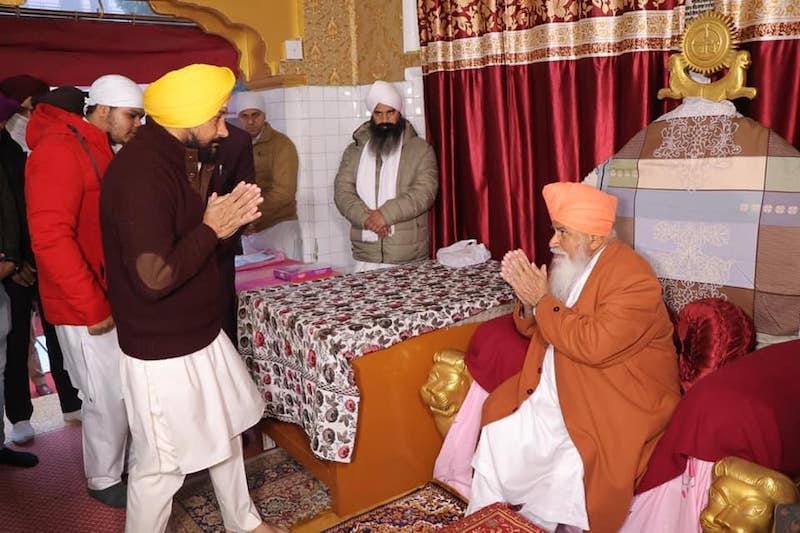
It has become a trend to talk about religious deras in the context of the politics of Punjab. This fad has caught on to such an extent that many media outlets regularly write and comment on how the heads of certain deras influence voters to support particular parties. Much of this so-called influence seems overstated and reflects a misunderstanding of the role of deras. In reality, the latent implication of this talk about dera influence is that the people of Punjab are so politically naive as devotees and so ignorant of political realities that they follow their religious leaders, even those who can boast of a mere few thousand followers.
The issue of deras in Punjab politics has never been analysed from an altogether different perspective: the obvious question should be whether the deras need political patronage for their sustenance.
To understand deras and politics, we need to make sense of the political economy of religion, from which they are inseparable. Most deras in India have allegiance to one or another religious tradition in Hinduism and Sikhism, although, in Islam too, Sufi saints have similar meeting places. Further, when combined with major religious centres, deras become a multi-billion economy that primarily draws its wealth from the offerings and donations of devotees and followers. As a result, deras accumulate tremendous unrecorded wealth through which they expand, adding more and more chunks of land to their kitty. Their wealth fosters within deras certain profane—in contradistinction to the sacred construction of their religious tradition—needs, which keep growing ever-higher, forcing dera chiefs to take an interest in politics.
It is essential to know how to understand the deras of Punjab within the framework of electoral politics. Note that Punjab has around 10,000 deras, but experts mention mostly mention only four when it comes to their influence on elections: the Dera Sacha Sauda headquartered at Sirsa (Haryana), the Radha Soami Satsang based in Beas, the Dera Sachkhand Ballan near Jalandhar, and the Bhaniarawala Dera of Ropar. The Dera Sacha Sauda and Radha Soami Satsang are eclectic in terms of their religious calling, in the sense that their preachings tend to syncretise Sikh and Hindu religious traditions. As a result, their followers include people belonging to both communities and all caste groups. On the other hand, the Dera Sachkhand Ballan has an exclusive following from the Chamar caste.
Read the full article, ‘Myth of Decisive Influence of Deras in Punjab Politics’ (NewsClick, 28 Jan 2022), here.
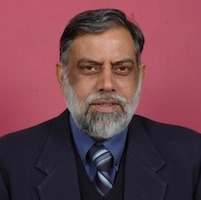
The author was a professor of sociology at Guru Nanak Dev University, Amritsar, and is a former president of the Indian Sociological Society. The views are personal
RELATED STORY:
The Dera Sants (Asia Samachar, 14 Oct 2021)
ASIA SAMACHAR is an online newspaper for Sikhs / Punjabis in Southeast Asia and beyond.Facebook | WhatsApp +6017-335-1399 | Email: editor@asiasamachar.com | Twitter | Instagram | Obituary announcements, click here




Religions have always influenced people on how to believe and behave. Many Politicians are believed and perceived to use them for own interests.
In some countries some religious leaders have also used politicians especially those in power for furthering the interests of their religions in to further own interests and expansion of personal power to the extent that political power in some countries are controlled by religious leaders which power may be obrained via elections.
Both systems may be perceived to be corrupted to some extent when main objective may be to obtain power and thus control over the wealth and resources of the country or company or charity or NGO or any entity with wealth including personal wealth.
WAHEGURU
Bless all
Comments are closed.