






















By Gurnam Singh | Opinion |
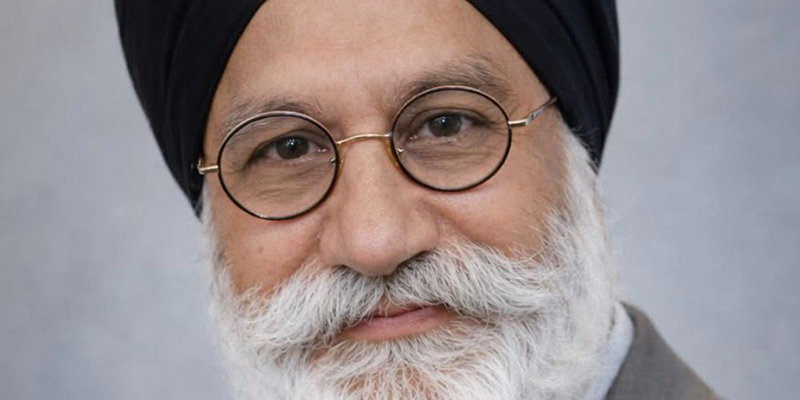
I am often asked, “Are you a Sikh?” My response is usually, “Why do you ask?” Almost invariably, the reply comes back: “Because you look like a Sikh; you have a turban and a beard.”
If Sikhi is to be understood merely through outward appearance, then I suppose I qualify as a Sikh. Yet this is somewhat ironic, given that head coverings and beards are hardly unique to Sikhs and are found across cultures, religions and histories. More importantly, Sikhi was never fundamentally about appearance at all. Much of Gurbani, in fact, actively critiques the externalisation of spirituality. Bhagat Kabir, in particular, is scathing of those who claim piety through outward expressions of faith:
ਗਾਜਰ ਕਾਨੇ ਵਰਗੀ ਮਾਲਾ ਤਸਬੀ ਤਾਗੁ ਬਣਾਇਆ ॥
ਬਾਹਰਿ ਧੋਤੀ ਤੂਮੜੀ ਅੰਦਰਿ ਵਿਖੁ ਵਸਾਇਆ ॥
“You make rosaries like carrot joints and wear the sacred thread.
Outwardly you wear a clean loincloth and carry a hermit’s pot, but inside, you are filled with poison.”
(Guru Granth Sahib, Ang 1124)
In another verse, Kabir goes even further, explicitly critiquing the idea that ritual manipulation of the body and whether removing or growing hair has any intrinsic spiritual value:
ਕਬੀਰ ਪ੍ਰੀਤਿ ਇਕ ਸਿਉ ਕੀਏ ਆਨ ਦੁਬਿਧਾ ਜਾਇ ॥
ਭਾਵੈ ਲਾਂਬੇ ਕੇਸ ਕਰੁ ਭਾਵੈ ਘਰਰਿ ਮੁਡਾਇ ॥
“Kabir, when you are in love with the One, duality departs.
It does not matter whether you grow your hair long or shave your head bald.”
(Guru Granth Sahib, Ang 1365)
The key point here is not that Gurbani condemns physical symbols outright, nor that outward forms are inherently good or bad. Rather, it repeatedly warns that external forms without internal transformation lead to spiritual stagnation. In Sikh thought, the alignment of inner consciousness (man) and outward action (tan) is what constitutes an authentic spiritual path.
SIKH IDENTITY
Like all human beings, I carry cultural identities. In that sense, I value my outward appearance deeply, not because it confers spiritual superiority, but because it reflects heritage, memory and cultural continuity. Culture connects us to those who came before us. It offers a sense of belonging, language, shared meaning and roots of identity. I identify with Sikh tradition and history precisely because it provides that continuity: a connection to generations, struggles, ideas and experiences that have shaped my existence.
Yet my identification reaches its limit when Sikh identity becomes entangled with nationalism, tribalism, bigotry, ideological extremism, racism, or the kind of unquestioning conformity that turns communities into cult-like structures. Any tradition that loses its ethical and reflective centre risks becoming little more than a badge of collective ego.
This leads to an uncomfortable but necessary question: Has Sikhi, in many contemporary spaces, become the very thing it originally sought to transcend? The Sikh Gurus challenged empty ritualism, caste hierarchy, superstition and religious division not to establish another rigid identity system built upon external performance and group allegiance. Yet increasingly, Sikhi is often reduced to precisely this: appearance over understanding, slogans over reflection, chanting over study, identity over humanity.
As someone frequently invited to represent Sikhi in public discussions and forums, people often assume that I must therefore “believe in God.” I am regularly asked, “What God do Sikhs believe in?” Sikhi is also commonly described as a “monotheistic religion,” as though it simply mirrors the theological structures of Abrahamic traditions.
In my view, this fundamentally misunderstands Sikh thought. Sikh philosophy does not point toward a personalised supernatural deity sitting outside creation and governing the universe as a separate cosmic ruler. Rather, it gestures towards something far more subtle and radical: an indivisible, all-pervasive reality beyond name, form and conceptual boundaries.
This is why the opening symbol, ੴ (Ik Oankar), is so profound. It does not merely signify belief in “one God” in a narrow numerical sense. Instead, it points to the oneness of existence itself—the underlying unity of all that is. All life, all matter, all consciousness, all time and all reality emerge from, participate in, and belong to this singular whole. There is no ultimate division between sacred and profane, believer and unbeliever, chosen and rejected.
To experience this oneness is not to subscribe to a creed; it is to cultivate awareness. And the greatest obstacle to such awareness, according to Sikh thought, is haumei or ego-consciousness. Haumai is not merely arrogance in the everyday sense. It is the deeper psychological illusion of separateness: the belief that the self exists independently from the rest of existence. From this illusion emerge domination, tribalism, greed, religious superiority, violence and hatred. Ironically, these are precisely the tendencies religious communities themselves so often fall into.
When religion becomes primarily about defending identity, protecting institutions, controlling behaviour, policing appearance, or asserting moral superiority over others, it ceases to be a path toward liberation from ego. Instead, it becomes an instrument of collective ego itself.
This pattern is not unique to Sikhs. It recurs throughout human history, including other faith traditions. Every tradition that begins as a movement of awakening risks becoming institutionalised, tribal and dogmatic over time. Sikhs are not immune from this drift. Perhaps the clearest evidence of this can be seen in the growing contradiction between the teachings of Gurbani and many practices now normalised within Sikh communities across the world.
The Sikh Gurus consistently challenged ritualism, superstition and blind religious authority. Gurbani repeatedly questions the notion that spiritual truth can be attained through external acts alone. Indeed, there are few verses in the Guru Granth Sahib that do not directly or indirectly warn against ritual bathing, mechanical prayer, ascetic performances, pilgrimages, or displays of religious symbolism divorced from ethical living and inner transformation.
Yet despite these teachings, many Sikhs today increasingly participate in precisely the kinds of practices the Gurus sought to move beyond. Ritualised bathing is often elevated to near-mystical purification. Gurdwaras are treated as spaces where mere physical presence is assumed to carry spiritual merit independent of conduct. Obsessive attention is paid to ceremonial correctness, while compassion, humility, wisdom, social justice and intellectual honesty receive far less emphasis.
Even more concerning is the rise of personality cults surrounding charismatic preachers, sectarian leaders and self-proclaimed “holy men.” Individuals are elevated to near-infallible spiritual status; their words are repeated uncritically, their images venerated, and their authority defended with emotional fervour rather than thoughtful reflection. Yet the Gurus did not establish Sikhi so that human intermediaries could once again stand between people and truth.
RADICALLY DIFFERENT
The thrust of Gurbani is radically different. It calls upon individuals to think, reflect, contemplate, question illusion, overcome ego, and recognise the divine permeating all existence and not to surrender the intellect to hierarchy or charisma. In this sense, Gurbani is profoundly rational in spirit. This could hardly be made clearer than in the very first Pauri of Japji Sahib, the opening Bani of the Guru Granth Sahib:
ਸੋਚੈ ਸੋਚਿ ਨ ਹੋਵਈ ਜੇ ਸੋਚੀ ਲਖ ਵਾਰ ॥
ਚੁਪੈ ਚੁਪ ਨ ਹੋਵਈ ਜੇ ਲਾਇ ਰਹਾ ਲਿਵ ਤਾਰ ॥
ਭੁਖਿਆ ਭੁਖ ਨ ਉਤਰੀ ਜੇ ਬੰਨਾ ਪੁਰੀਆ ਭਾਰ ॥
ਸਹਸ ਸਿਆਣਪਾ ਲਖ ਹੋਹਿ ਤ ਇਕ ਨ ਚਲੈ ਨਾਲਿ ॥੧॥
(Guru Granth Sahib, Ang 1)
Here, Guru Nanak systematically dismantles the conventional methods people employ in the search for spiritual fulfilment. Ritual washing cannot cleanse an impure mind. Forced silence cannot still unexamined desire. Material wealth cannot satisfy existential hunger. Cleverness, strategy and intellectual pride are ultimately useless on the deepest spiritual journey.
This critique of ritual should not be mistaken for a call to narrow modern rationalism or cold materialism. Rather, it reflects a rational spirit that resists superstition, fear-based religion, empty ritual and blind conformity. The Gurus consistently challenged the exploitation of ordinary people by priestly classes and rejected the notion that truth belongs exclusively to any institution, clergy or chosen community.
At its core, Sikhi contains a profoundly universal’ and in many ways non-theocratic secular impulse. Not in the Western sense of rejecting spirituality, nor merely separating church from state, but in refusing the domination of human life by religious authoritarianism and divisive identity politics. The lives of the Gurus themselves embody this ethos. They engaged openly with Hindus, Muslims, Sufis, Yogis and ordinary people alike, not to establish supremacy, but to encourage ethical living, truthful conduct and spiritual awareness beyond tribal boundaries.
For this reason, Sikhi, at its best, cannot be reduced to a religion of identity performance, yet this is increasingly the trend today. Gurbani does not call for the proclamation of chosen status while casting others as outsiders or unbelievers. There is no mandate to convert humanity into a single religious tribe. The divine is not the property of any scripture, nation, institution or community monopoly.
When we contemplate the cosmos, nature, water, sky, forests, humanity and the extraordinary diversity of life emerging from a singular source, we begin to glimpse what Sikh thought understands as divine grace. And in doing so, we realise that Sikhi is far more than a religion, faith or identity. It is:
• a way of thinking, through the cultivation of reflective awareness;
• a way of being, through recognising the interconnectedness of existence;
• and a way of doing, through ethical living grounded in compassion, humility, service and care for humanity and the planet.
This is what I mean when I claim to be a Sikh. The real danger facing Sikhi today as I see it is not that people may stop looking Sikh. The greater danger is that we may lose sight of what Sikhi was meant to awaken within us: the capacity to transcend the man-made boundaries, binaries and ego-driven identities that divide human beings from one another, from nature, and from the deeper unity of existence itself.
Join the conversation on this story on Asia Samachar’s Facebook and Instagram pages.
Gurnam Singh is an academic activist dedicated to human rights, liberty, equality, social and environmental justice. He is a Professor of Sociology at University of Warwick, UK. He can be contacted at Gurnam.singh.1@warwick.ac.uk
* This is the opinion of the writer and does not necessarily represent the views of Asia Samachar.
RELATED STORY:
The Demise of the Akali Dal and the Badal Dynasty: What Next for the Panth? (Asia Samachar, 5 Aug 2024)
ASIA SAMACHAR is an online newspaper for Sikhs / Punjabis in Southeast Asia and beyond. You can leave your comments at our website, Facebook, Twitter, and Instagram. We will delete comments we deem offensive or potentially libelous. You can reach us via WhatsApp +6017-335-1399 or email: asia.samachar@gmail.com. For obituary announcements, click here





https://asiasamachar.com/2023/04/23/a-sikh-or-sikhi/
You may read this
wonderful, very thoughtful points being discussed somehow we need to have this dialogue in our intuitions?
Comments are closed.