






















By Gurnam Singh | Opinion |
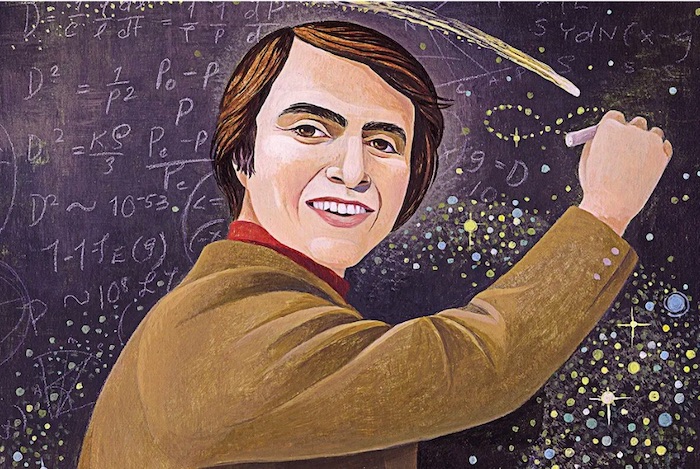
The famous astronomer Carl Sagan once commented that, on the question of belief in a divine being, he was agnostic. That is he was neither a believer or non-believer. He felt the evidence for the existence of God as envisaged by the Abrahamic faiths was weak, but that he preferred to “wait until there is compelling evidence?”
Putting aside the question of what is meant by ‘evidence’, by definition, faith in ‘God’ does/should not require any compelling evidence or proof. Why? Because to require evidence or proof is to express doubt, which undermines faith! This line of reasoning would suggest there can be no middle ground; one is either a ‘believer’, who requires no evidence, or a ‘non-believer’ who requires evidence as a precondition to believe!
Interestingly, many religious preachers refer to miracle stories as proof of the existence of God. Indeed, most evangelical traditions are centred on miracles, where people with all kinds of physical ailments are magically cured.
However, logically subjecting God or some ‘supernatural’ or ‘metaphysical’ entity, to physical proof appears to undermine the very basis of belief. Why? because by definition faith is belief in the doctrines of a religion, based on spiritual conviction rather than proof. In other words, a need or desire for proof betrays a lack of faith.
Following this line of thinking, it could be argued, those ‘believers’ that have an insatiable need for all kinds of miracle stories, reveal the emptiness of their belief. I think it was this realisation that Sikhi is very sceptical at best about all kinds of religious rituals and miracle claims. Perhaps it was for this reason that Gurbani is so critical of ‘religious’ preachers. As Guru Arjan dates in the following shabad:
ਸੂਹੀ ਮਹਲਾ ੫ ॥
Soohee, Fifth Mehla:
ਕਰਮ ਧਰਮ ਪਾਖੰਡ ਜੋ ਦੀਸਹਿ ਤਿਨ ਜਮੁ ਜਾਗਾਤੀ ਲੂਟੈ||
The religious rites, rituals and hypocrisies which are seen, are plundered by the fear of mortality.
ਨਿਰਬਾਣ ਕੀਰਤਨੁ ਗਾਵਹੁ ਕਰਤੇ ਕਾ ਨਿਮਖ ਸਿਮਰਤ ਜਿਤੁ ਛੂਟੈ ॥੧॥
In the state of Nirvaanaa, sing and contemplate the infinite creative divine. Remembering/contemplating, even for an instant, one liberated from the fear of death.
ਸੰਤਹੁ ਸਾਗਰੁ ਪਾਰਿ ਉਤਰੀਐ ॥ ਜੇ ਕੋ ਬਚਨੁ ਕਮਾਵੈ ਸੰਤਨ ਕਾ ਸੋ ਗੁਰ ਪਰਸਾਦੀ ਤਰੀਐ ॥੧॥ ਰਹਾਉ ॥
O seekers of divinity, cross over the world-ocean of ignorance..
One who practices the Teachings of the enlightened ones, by Guru’s Grace, is enlightened. ||1||Pause||
ਕੋਟਿ ਤੀਰਥ ਮਜਨ ਇਸਨਾਨਾ ਇਸੁ ਕਲਿ ਮਹਿ ਮੈਲੁ ਭਰੀਜੈ ॥
Millions of cleansing baths at sacred shrines of pilgrimage only fill the mortal with filth in a state of ignorance and bondage.
ਸਾਧਸੰਗਿ ਜੋ ਹਰਿ ਗੁਣ ਗਾਵੈ ਸੋ ਨਿਰਮਲੁ ਕਰਿ ਲੀਜੈ ॥੨॥
But those who contemplate the divine virtues in the company of free souls, become liberated. ||2||
ਬੇਦ ਕਤੇਬ ਸਿਮ੍ਰਿਤਿ ਸਭਿ ਸਾਸਤ ਇਨ੍ਹ ਪੜਿਆ ਮੁਕਤਿ ਨ ਹੋਈ ॥
One may read all the books of the Vedas, the Bible, the Simritees and the Shaastras, but they will not bring liberation.
ਏਕੁ ਅਖਰੁ ਜੋ ਗੁਰਮੁਖਿ ਜਾਪੈ ਤਿਸ ਕੀ ਨਿਰਮਲ ਸੋਈ ॥੩॥
One who, as Gurmukh, practices oneness, acquires a spotlessly pure reputation. ||3||
ਖਤ੍ਰੀ ਬ੍ਰਾਹਮਣ ਸੂਦ ਵੈਸ ਉਪਦੇਸੁ ਚਹੁ ਵਰਨਾ ਕਉ ਸਾਝਾ ॥
This message of truth and methodology for liberations applies equally to the four castes – the Kh’shaatriyas, Brahmins, Soodras and Vaishyas.
ਗੁਰਮੁਖਿ ਨਾਮੁ ਜਪੈ ਉਧਰੈ ਸੋ ਕਲਿ ਮਹਿ ਘਟਿ ਘਟਿ ਨਾਨਕ ਮਾਝਾ ॥੪॥੩॥੫੦॥
In the age of ignorance, those that understand and live in balanced divine natural order see the divine permeating the hearts of each and every being. ||4||3||50||
(Guru Arjan Dev Ji in Raag Soohee – GGS p747)
Maybe Carl Sagan was right when he expressed doubt about idea of a supernatural deity and all the hocus-pocus that is associated with such belief systems. However, he was profoundly moved by what he described as the spirituality of joining, connecting and merging, something that we can feel and see all around, from the cosmic scale to the human and quantum level.
Perhaps also, this is the very same realisation that one finds in Gurbani. And seen like this, the distinction between believer and non-believer fades, and the paradox between faith and evidence between resolved

Gurnam Singh is an academic activist dedicated to human rights, liberty, equality, social and environmental justice. He is an Associate Professor of Sociology at University of Warwick, UK. He can be contacted at Gurnam.singh.1@warwick.ac.uk
* This is the opinion of the writer and does not necessarily represent the views of Asia Samachar.
RELATED STORY:
Miracles and Godmen (Asia Samachar, 31 July 2020)
ASIA SAMACHAR is an online newspaper for Sikhs / Punjabis in Southeast Asia and beyond. When you leave a comment at the bottom of this article, it takes time to appear as it is moderated by human being. Unless it is offensive or libelous, it should appear. You can also comment at Facebook, Twitter, and Instagram. You can reach us via WhatsApp +6017-335-1399 or email: asia.samachar@gmail.com. For obituary announcements, click here.


